

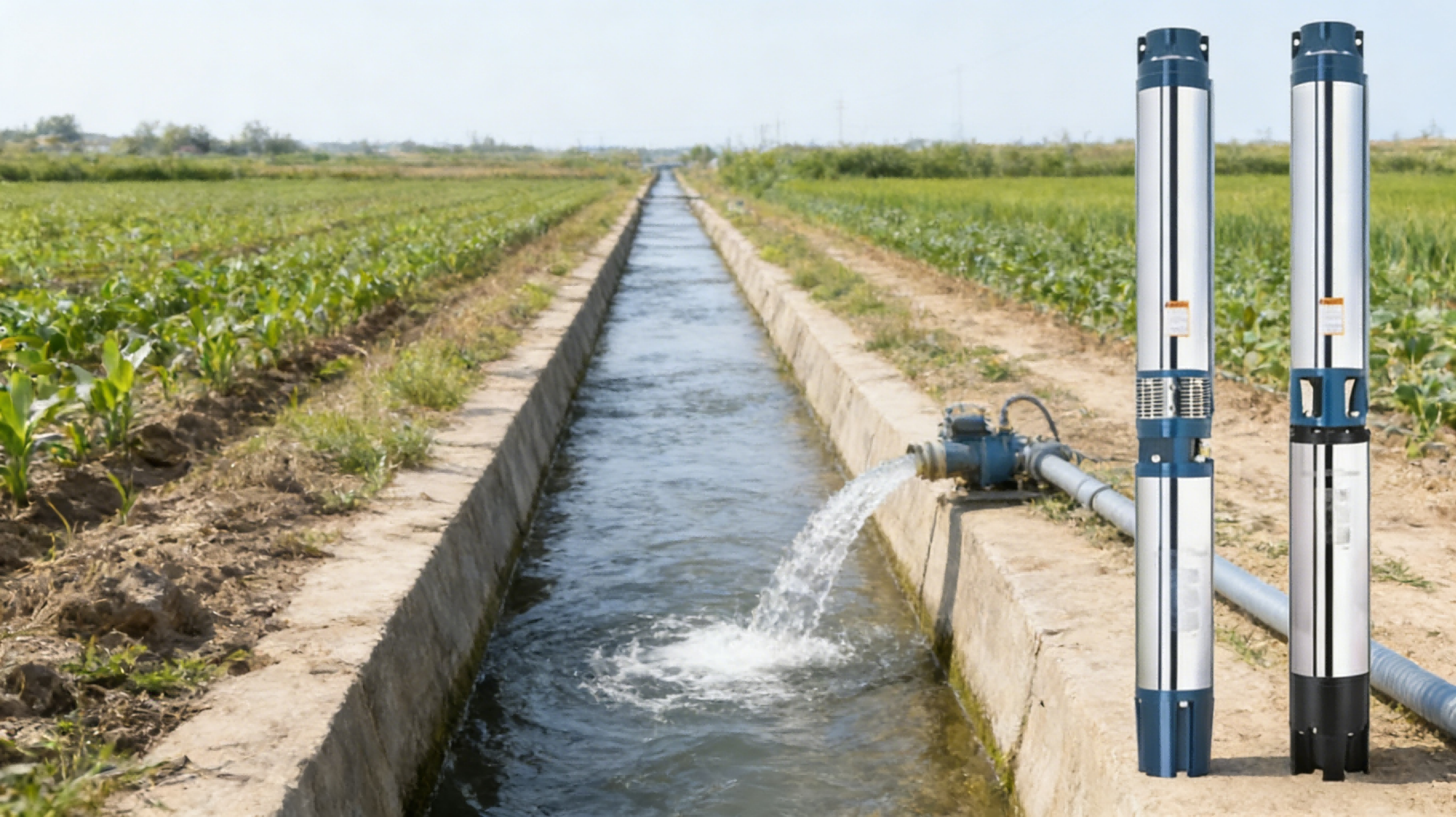
What Is a Submersible Pump?
If you’ve ever depended on a well, a farm pond, or an underground tank, you’ve already used what a submersible pump quietly handles every day. Unlike a surface pump that sits outside the water and struggles to “pull” water upward, a submersible pump works inside the water source itself. Once submerged, it simply pushes water upward—no priming, no air leaks, and far fewer headaches.
For anyone comparing models, our complete selection of submersible pumps offers a clear idea of the different designs commonly used in agriculture and household water systems.
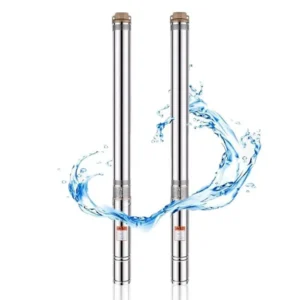
How a Submersible Pump Works
Inside the pump is a sealed electric motor connected to a series of impellers. When the motor spins, these impellers push water upward through the discharge pipe. Because the entire assembly stays underwater, the water naturally cools the motor and helps stabilize the flow.
For smaller gardens or day‑to‑day water transfer, many people start with a compact option such as the vibration‑type submersible pump designed for light irrigation. It’s simple to install, requires little maintenance, and works reliably in shallow applications.
Why “Pushing Water” Is More Efficient Than “Pulling Water”
A pump that sits above water must pull water upward first, which wastes energy and introduces constant risks—air pockets, suction problems, and cavitation. Even a tiny bit of trapped air can cause a surface pump to lose its prime.
A submerged pump avoids all of that. Because it operates below the water level:
• Water naturally enters the pump inlet
• Gravity assists the pressure balance
• Cavitation is nearly impossible
• No suction lift is required
This is why farmers and rural households often see lower electricity costs and a more stable water supply when switching from a surface pump to a submersible model.
Key Components Inside a Submersible Pump
Although a submersible pump looks like a simple metal cylinder, its internal design is engineered to handle tough environments. A typical well‑built pump includes:
• A waterproof, sealed motor
• Multiple impellers for higher lifting capability
• A built‑in check valve to prevent backflow
• A corrosion‑resistant outer housing
• Bearings and a central shaft designed for smooth rotation
• A reinforced cable seal to protect the wiring
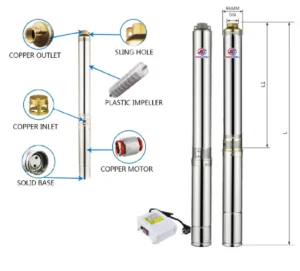
For deeper wells or areas with fluctuating water levels, buyers often choose a more robust model such as the deep‑well submersible pump built for high‑pressure water delivery. Its construction is designed to handle both pressure and long‑term use in rural environments.
Where Submersible Pumps Are Used in Agriculture and Water Systems
You’ll find submersible pumps nearly everywhere water needs to move reliably:
• Deep wells supplying households
• Irrigation systems for crops, orchards, and greenhouses
• Pond or river extraction points on farms
• Underground tanks and reservoirs
• Livestock drinking systems
• Sewage pits and wastewater collection areas
• Flooded fields or low‑lying areas after heavy rain
When the water source includes wastewater, sediment, or livestock runoff, many farms rely on a more rugged option like the sewage‑capable submersible pump suitable for farmland and household systems. It’s designed to pass soft solids without clogging, which saves time and reduces repair costs.
Types of Submersible Pumps and Their Applications
Choosing the correct submersible pump matters more than most buyers realize. The water source, the depth, and the water quality all determine which type will perform best. Below are the main types used in agriculture and daily water systems.
Submersible Water Pumps
These handle clean or slightly mixed water—ideal for:
• Storage tanks
• Garden ponds
• Small greenhouses
• Household water transfer
They’re simple, efficient, and a good entry point for small farms.
Deep Well Submersible Pumps
These long, narrow pumps are designed for underground boreholes and wells. With multi‑stage impellers, they generate strong pressure and can move water from significant depths.
They’re widely used in:
• Rural homes with deep wells
• Farmland irrigation relying on underground water
• Locations where water tables fluctuate seasonally
Deep well users typically prefer models engineered for long‑term performance under changing water levels.
Submersible Sewage Pumps
Sewage pumps are built to handle dirty water, soft solids, and mixed wastewater. With their torque‑heavy motors and blockage‑resistant impellers, they are suitable for:
• Septic systems
• Livestock areas
• Wastewater pits
• Flooded barns
• Muddy or debris‑filled water sources
For farms facing unpredictable water conditions, sewage‑capable pumps significantly reduce the chances of clogging.
Submersible Irrigation Pumps
These pumps are designed to deliver stable flow and pressure. They work well in:
• Drip irrigation systems
• Sprinkler networks
• Orchard and vineyard watering
• Greenhouse misting lines
Their ability to maintain steady pressure across multiple irrigation points makes them a favorite among farmers.
Submersible Utility and Dewatering Pumps
Lightweight and versatile, these pumps are used for temporary or emergency tasks:
• Clearing stormwater
• Draining flooded fields
• Emptying pits or trenches
• Quick water transfer on farms
They’re not meant for permanent installation, but they’re invaluable when you need fast water removal.
Which Type Is Best for Farming, Household Water Supply, and Irrigation
Here’s a simple way to choose:
• Deep wells → deep‑well submersible pump
• Crop irrigation → submersible irrigation pump
• Dirty or mixed water → sewage‑capable submersible pump
• Shallow wells / gardens → compact clean‑water submersible pump
• Flooding / emergencies → dewatering pump
For farms that rely on multiple water sources—clean water, wastewater, and backup pumping—a varied selection from our submersible pump lineup ensures you have the right tool for each job.
Advantages of Submersible Pumps for Agriculture and Water Supply
When people switch from surface pumps to submersible pumps, the difference is usually immediate—better flow, fewer interruptions, and noticeably lower operating noise. These advantages come from the fact that the pump works within the water source, not above it. That simple change in position solves many of the problems that farmers and rural households deal with every season.
For buyers comparing models, our full submersible pump range gives a good overview of how each design performs under real‑world conditions.
High Efficiency from Submerged Operation
A pump that works underwater starts with a major advantage: the surrounding water helps feed pressure into the inlet. Instead of spending energy pulling water up a long suction pipe, the pump receives water naturally. This means:
• Less wasted power
• More stable flow
• Reduced strain on the motor
This is especially helpful on farms where pumps run for long hours during irrigation cycles. Because the pump works with the water’s natural pressure rather than fighting against it, the energy savings can become significant over time.
No Priming and No Cavitation
Anyone who has used a surface pump knows the hassle of priming—filling pipes with water, removing air pockets, and hoping the pump doesn’t lose suction halfway through the job. Submersible pumps eliminate this entirely because they sit below the water line.
And since there’s no suction lift, cavitation (air bubbles collapsing inside the pump) almost never happens. Cavitation is one of the main reasons surface pumps fail early. By avoiding it, submersible pumps generally enjoy a longer service life with fewer breakdowns.
Quiet Operation
Submersible pumps are naturally quiet because water absorbs most of the noise and vibration. On farms, this makes a real difference. Irrigation can run through the night without disturbing livestock or households. Even large deep‑well units operate with a soft hum rather than the harsh, metallic sound of a surface pump.
For small gardens or backyard irrigation, many users choose a compact submerged pump specifically because of its quiet performance.
Suitable for Deep Water Sources
Surface pumps struggle as soon as the water level drops more than a few meters. Submersible pumps don’t have that limitation. They are placed inside the well or borehole, so they can push water upward from dozens or even hundreds of meters below ground.
This is why they dominate:
• Deep wells in rural homes
• Borehole irrigation systems
• Areas with seasonal water table fluctuations
• Locations where water levels can drop unexpectedly
A deeper installation doesn’t reduce performance the way it does with suction‑based pumps, giving farmers and homeowners a consistent water supply throughout the year.
Lower Maintenance Needs (If Installed Correctly)
Because submersible pumps avoid common problems like air leaks, suction pipe blockages, and cavitation, their routine maintenance is often simpler. Most inspections focus on electrical connections, cable seals, and any sediment buildup.
When matched correctly to the water source, a quality submersible pump can run for years with minimal intervention. Models designed for mixed or dirty water—such as sewage‑capable versions—are even more tolerant of real‑world farm conditions where water quality changes daily.
Regular checks matter, but the overall workload is far lighter than managing a surface pump.
The Limitations and Challenges of Submersible Pumps
Even though submersible pumps solve many of the issues common with surface pumps, they are not perfect. Like any piece of equipment working in unpredictable water conditions—deep wells, muddy pits, seasonal runoff—they face their own set of challenges. Understanding these limitations helps buyers choose wisely and avoid unnecessary problems later.
If you’re comparing designs or need options built for tougher conditions, our submersible pump lineup offers models made for both clean and mixed‑water environments.
Accessibility for Maintenance
A submersible pump’s biggest advantage—working underground or underwater—can also be its biggest obstacle. When something goes wrong, the pump must be physically pulled out of the well, tank, or pit.
This means:
• A minor inspection becomes a larger task
• A deeper installation requires more effort to remove
• Sand or silt buildup around the pump can make lifting harder
It’s one reason professional installers always emphasize using proper lifting ropes, stainless‑steel fasteners, and a secure mounting structure. Once installed correctly, maintenance becomes far more manageable, but accessibility will always be more involved than checking a pump sitting in your backyard.
Corrosion Risks
A submersible pump spends 100% of its working life underwater, often in water that contains minerals, fertilizer runoff, organic material, or sediments. Over the years, these can slowly attack the pump housing or seals.
Risks include:
• Wear on the outer casing
• Corroded fasteners
• Seal degradation leading to motor exposure
• Rust or mineral deposits affecting impellers
Modern pumps use coated alloys, reinforced seals, and corrosion‑resistant materials to counter this. Choosing the right material for your water source—especially in agriculture—matters far more than many buyers realize.
Electrical Requirements and Safety
Because a submersible pump runs underwater, electrical safety is non‑negotiable. A damaged cable, a cracked connector, or a poor splice can cause failures, short circuits, or even safety hazards.
Typical issues include:
• Cable insulation wear
• Moisture entering the cable joint
• Undersized wiring causing voltage drops
• Poor grounding on older installations
This is why proper waterproof cable sealing and correctly sized electrical lines are essential. A submersible pump will run for years if powered correctly—but electrical shortcuts can shorten its lifespan dramatically.
Pump Overheating Issues
Although water cools a submersible pump naturally, overheating can still occur. The most common causes are:
• Water levels dropping too low
• Pumping thick or heavy water longer than intended
• Motor overload from incorrect sizing
• Debris wrapped around the intake reducing flow
When the pump isn’t fully submerged, the motor loses its cooling environment. This can cause thermal shut‑off, reduced performance, or permanent motor damage. A properly sized pump paired with a stable water source avoids most of these problems.
Sediment, Sand, and Grit Challenges in Wells
Wells in farming areas often deal with sand, silt, or fine grit—especially during dry seasons when the water table drops. Submersible pumps can handle a little sediment, but excessive amounts create problems like:
• Abrasion on impellers
• Reduced flow due to intake blockage
• Wear on bearings and seals
• Shortened pump lifespan
In shallow wells or sandy regions, farmers often choose pumps designed for sediment‑tolerant operation or install a protective screen around the intake. For heavy sediment situations, some users switch to pumps built specifically for mixed‑water handling to avoid constant cleaning.
How to Choose the Right Submersible Pump for Agriculture
Choosing a submersible pump for a farm isn’t just about looking at horsepower or price. Every field, well, and irrigation system behaves differently. Some buyers need strong pressure because their fields sit uphill; others need a pump that tolerates sediment or mixed‑water conditions.
The safest way to make the right choice is to follow a simple step‑by‑step approach. For buyers comparing options, our full submersible pump range is a helpful starting point, especially if you’re working with wells, irrigation ponds, or mixed‑water farms.
Step 1: Identify Water Source Depth
The depth of your water source is the single most important factor. A pump that works beautifully in a 10‑meter well may fail completely at 60 meters.
General guidelines most installers follow:
• Shallow wells or tanks → light‑duty submersible water pumps
• Medium‑depth wells → standard multi‑stage models
• Deep boreholes → long‑body, high‑lift deep‑well pumps
For example, farms relying on deeper installations typically choose a model similar to our deep‑well submersible design engineered for higher head pressure. Its multi‑stage impellers help keep a stable flow even when water levels drop during the dry season.
Step 2: Calculate Flow Requirements for Farming
Every farm has different water‑demand patterns. Open‑field vegetables may need high flow for flood irrigation, while drip systems only require steady, moderate pressure.
A simple way to estimate:
• Drip irrigation → lower flow, higher pressure
• Sprinklers → moderate flow, consistent pressure
• Flood irrigation → high flow, lower pressure
• Livestock → intermittent, small‑to‑medium flow
The goal is to avoid undersizing (weak performance) or oversizing (higher electricity costs).
Step 3: Match Pump Horsepower and Head Requirements
Horsepower alone doesn’t tell the full story. What really matters is the relationship between HP, total head (vertical lift + friction loss), and desired flow rate.
A pump must overcome:
• Vertical distance from water source
• Horizontal pipe friction
• Height of irrigation emitters or sprinklers
• Any fittings, elbows, or filters in the system
If you’re lifting water from significant depth or driving a long pipeline, a high‑pressure pump—similar to our high‑lift submersible model used in rural well systems—maintains steady output without overstressing the motor.
Step 4: Choose Proper Materials (Stainless Steel, Copper Wire, Plastic Impellers)
The construction material determines durability, especially on farms where water quality changes seasonally.
• Stainless steel – best for corrosion resistance and long‑term well installation
• Copper‑wound motors – higher efficiency and longer service life
• Plastic or composite impellers – lightweight and cost‑effective for clean water
• Reinforced alloy impellers – better for sediment or mixed water
If your water source includes silt or organic material, a pump built with corrosion‑resistant housing and strong internal components will outperform budget options in the long run.
Step 5: Understanding AC vs. DC Pump Options
Modern farms use both:
• AC submersible pumps – traditional, stable, powerful; ideal for deep wells or long‑hour irrigation
• DC submersible pumps – used with solar systems; energy‑saving, ideal for remote farmland
• Hybrid AC/DC pumps – automatically switch depending on available power
DC pumps shine in locations without stable grid power, while AC pumps remain the standard for high‑capacity wells.
Step 6: Selecting the Right Control Box / MPPT Controller for Solar Pumps
Solar pumps require smart power management. An MPPT controller allows the pump to run efficiently even during early morning or partially cloudy weather by optimizing the power drawn from solar panels.
A proper controller should:
• Protect against voltage spikes
• Manage start‑up power smoothly
• Match the pump’s rated current and voltage
• Optimize solar energy conversion
Installing the wrong controller can reduce flow, shorten motor life, or cause unstable performance. This is why solar pump setups must be matched carefully.
Step 7: Choose the Right china pump manufacturers for Reliable Supply
The final step—often overlooked—is selecting the right manufacturer. In agriculture, reliability is everything. A well‑built pump may run for 5, 10, or even 15 years if the engineering and materials are solid.
Things to look for in a china pump manufacturer or supplier:
• Experience producing pumps for real agricultural conditions
• Availability of spare parts
• Consistent quality across product batches
• Clear technical documentation
• Fast delivery for replacement units
• Ability to supply both standard and customized pump configurations
Working with the right china pump supplier ensures you’re not just buying a pump—you’re buying support, engineering guidance, and stable performance for years.
Common Issues with Submersible Pumps and How to Fix Them
Even the best submersible pump can run into trouble after years of operation, especially on farms where water levels, sediment, and power conditions constantly change. The good news is that most issues follow predictable patterns, and a proper diagnosis saves a lot of time. Many buyers use our submersible pump lineup as a reference when deciding whether a problem can be fixed—or if upgrading the pump is the smarter choice.
Low Water Pressure and Reduced Flow
When a submersible pump suddenly loses pressure, it usually points to one of a few common causes:
• A partially clogged inlet screen
• Sediment buildup around the intake
• Impeller wear, especially in older pumps
• Water level dropping below the pump intake
If your pump handles irrigation water from ponds or wells prone to silt, switching to a model with stronger lifting performance—such as our deep‑well submersible water pump designed for higher pressure delivery—helps maintain consistent flow even during dry months.
Cleaning the inlet screen and confirming that the pump remains fully submerged usually restores normal operation.
Pump Not Starting
A submersible pump that won’t turn on doesn’t always indicate a motor failure. Often, the issue lies upstream.
Common problems include:
• A tripped breaker or blown fuse
• A worn‑out pressure switch
• Loose electrical connections
• Voltage drop due to undersized wiring
• A faulty float switch or control box
If the pump is older, internal components may be worn. But in many cases, restoring power consistency fixes the issue without pulling the pump from the well.
Overheating
Even though water cools the pump naturally, overheating happens when:
• The water level drops too low
• The pump runs for long periods without rest
• Debris restricts flow around the motor housing
• The pump is oversized for the well (short cycling)
• Motor bearings or windings begin to fail
Overheating can lead to permanent damage, so early signs—strong smell, unexpected shut‑offs, or slower performance—shouldn’t be ignored. A pump designed for deep‑well cooling conditions is far more tolerant of long‑hour irrigation cycles.
Sand or Grit in Water
Farm wells sometimes pull in sand or fine grit, especially during dry seasons. While a little sediment is normal, too much can damage impellers and seals.
Symptoms include:
• Grinding noises
• Rapid wear
• Cloudy water
• Lower flow output

For farms dealing with mixed‑water or wastewater conditions, pumps built for solids handling—like our sewage‑capable submersible pump suitable for household and farmland systems—are more durable under abrasive conditions.
Protective intake screens or lifting the pump slightly higher in the well can also reduce grit intake.
Electrical Problems
Because the pump runs underwater, electrical reliability is crucial. A small issue in the wiring can cause major failures.
Typical causes:
• Damaged cable insulation
• Moisture entering a splice or connector
• Improper grounding
• Low voltage due to long cable runs
• Old or worn pressure control switches
Electrical issues often cause intermittent cycling, weak output, or sudden shutdowns. Regular inspections of cable joints and ensuring proper grounding prevent most failures.
Float Switch and Check Valve Problems
A float switch tells the pump when to start or stop. If it sticks or gets blocked, the pump may run continuously—or not run at all.
Meanwhile, a faulty check valve allows water to flow backward into the well or tank when the pump turns off. This causes:
• Long start‑up delay
• Frequent cycling
• Reduced pressure
Replacing a float switch or check valve is usually inexpensive compared to replacing the entire pump.
When to Consider Replacing the Pump
A repair makes sense when the issue is minor. But replacement may be smarter if:
• The motor has failed or shows significant wear
• Impellers are severely eroded
• The pump frequently overheats even after fixes
• Water conditions changed (more sediment, deeper water levels)
• Electricity costs rise due to inefficient pumping
• The pump is older than 8–12 years
Many buyers choose to upgrade to more modern designs from our submersible pump collection when their existing unit starts showing repeated issues.
Submersible Pump Selection for Different Scenarios
Different water systems require different pumping behavior. A pump that works beautifully in a deep rural well may be completely unsuitable for a greenhouse or a flooded field. Instead of choosing “one pump for everything,” it’s better to match the pump to the scenario. That’s why many buyers browse our broader submersible pump range first to understand how each category behaves in the field.
For Farmland Irrigation
Open‑field irrigation usually needs strong and steady flow. Farmers often rely on pumps that can push water long distances or uphill without losing pressure. When the irrigation source comes from a pond or well with moderate depth, a high‑lift model—similar to our deep‑well submersible design—keeps the flow stable even when multiple irrigation lines operate at the same time.
For fields where water sources are shallow, a simpler submersible water pump can handle the job efficiently without excessive power consumption.
For Vegetable Greenhouses
Greenhouses typically use controlled irrigation: misting nozzles, micro‑sprayers, or small emitters. These systems don’t require high flow, but they need consistent pressure so the plants receive uniform watering.
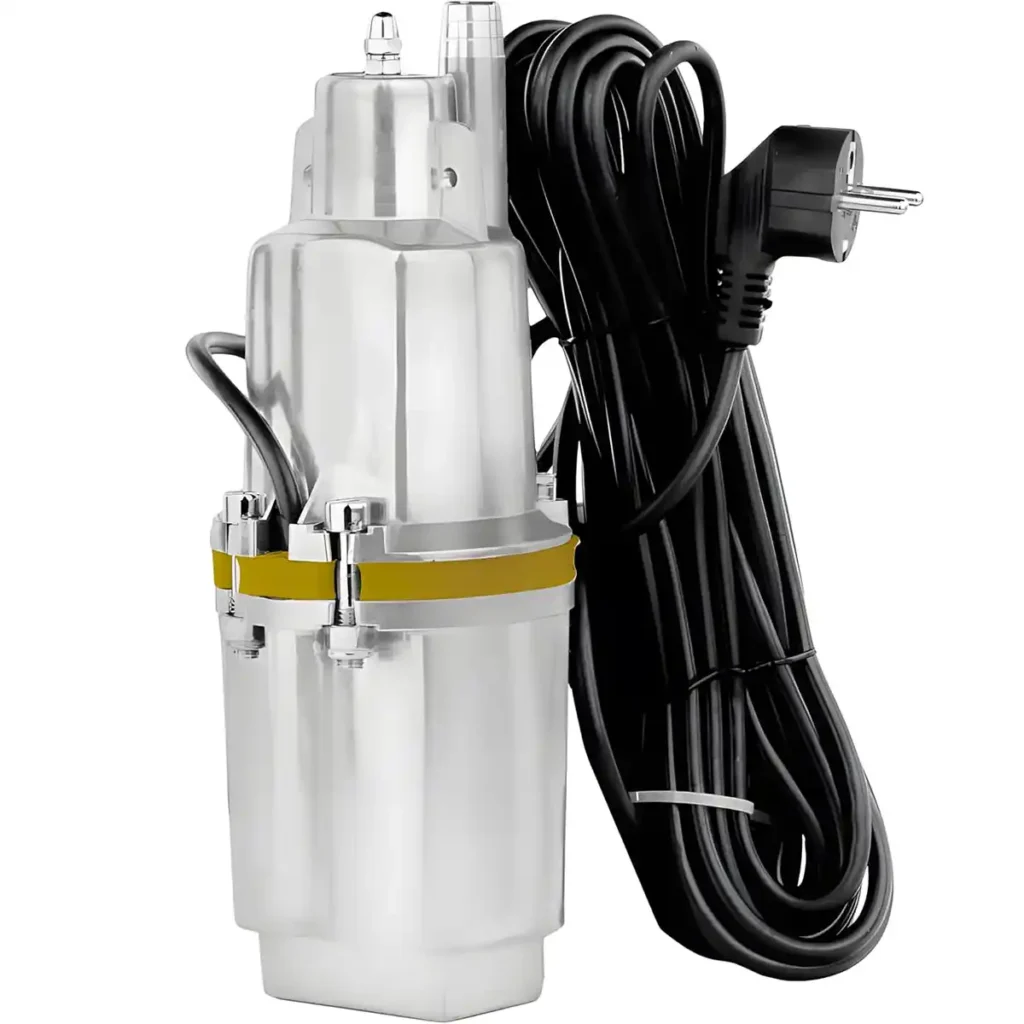
A small to medium submersible unit works well here. For compact setups, farmers often use a practical option such as the vibration‑type submersible pump used for garden and light irrigation. It’s simple, cost‑effective, and quiet—ideal for confined greenhouse environments.
For Orchards and Drip Irrigation
Orchards and vineyard drip systems depend more on pressure consistency than raw water volume. Each emitter along the drip line needs stable pressure, otherwise some trees receive too much water while others receive too little.
Multi‑stage submersible pumps with steady head pressure are the preferred choice. Models designed for deeper wells or higher vertical lifts perform especially well in orchards located on uneven terrain.
For Deep Wells in Rural Homes
For homes using boreholes or deep underground wells, the pump must deliver strong vertical lifting performance and remain stable under fluctuating water levels.
This is where a deep‑well‑ready model—such as our high‑pressure submersible pump designed for deep installations—becomes essential. It maintains pressure for showers, faucets, household storage tanks, and small farm irrigation systems all at once.
A properly selected pump ensures reliable water access throughout the year, even during drought seasons.
For Animal Farms and Livestock Water Systems
Livestock operations deal with a mix of clean water, runoff, and sometimes wastewater from barns or holding areas. Pumps used here must be durable, tolerant of changing water quality, and reliable enough for daily operation.
When water includes mud or organic material, many farms depend on a more rugged option like the sewage‑capable submersible pump used for household and farmland wastewater. It prevents clogging and handles variable water conditions better than clean‑water designs.
For Emergency Water Transfer and Flooded Areas
Flooded basements, heavy rainfall, or unexpectedly filled pits require fast water removal rather than long‑term installation. Submersible utility or dewatering pumps are perfect here because they are:
• Portable
• Easy to deploy
• Capable of moving large volumes quickly
These pumps are designed for efficiency rather than quiet operation, making them ideal for stormwater emergencies, construction pits, or flooded farmland pathways.
Why China Is a Global Leader in Submersible Pump Manufacturing
Over the past two decades, China has grown into the largest global production hub for submersible pumps—not because of low cost alone, but because manufacturers have learned to combine efficient production with advanced engineering. Today, many farms, contractors, and distributors source equipment directly from China because the overall value, durability, and supply stability are difficult to match.
Buyers comparing options often start with reputable companies offering a full submersible pump portfolio instead of relying on generic products with unclear specifications.
Advantages of Working With a china pump supplier
A strong china pump supplier doesn’t just sell pumps—they help customers select the right model, adapt designs for different water conditions, and provide long‑term parts support. This is especially important for agriculture, where water quality and seasonal demands change throughout the year.
The advantages include:
• Faster production cycles
• Customizable motor configurations
• Clear documentation and technical support
• Access to both standard and agricultural‑specific models
Working directly with a supplier that understands irrigation requirements, deep‑well conditions, and wastewater challenges makes the buying experience smoother and far more predictable.
Cost‑Effective Manufacturing + Advanced Technology
China’s manufacturing advantage comes from scale. Factories can source motor components, sealing materials, stainless steel housings, and electrical accessories in high volumes. Lower material sourcing costs allow pump manufacturers to invest more into:
• Motor efficiency improvements
• Multi‑stage impeller designs
• Anti‑corrosion coatings
• Better QC and automated testing lines
This balance—cost control with strong engineering—is what makes Chinese submersible pumps attractive for buyers who want dependable equipment without inflated prices.
Wide Range of Pump Models for Any Project
China doesn’t rely on a single pump type. Instead, manufacturers produce complete lines covering:
• Deep‑well submersible pumps
• Standard clean-water pumps
• Solar-powered submersible units
• Sewage and wastewater pumps
• Utility and dewatering pumps
• Agricultural irrigation pumps
• Compact vibration models for gardens and greenhouses
This variety allows buyers to choose equipment tailored to their exact water system rather than settling for a one‑size‑fits‑all design.
For example, farms using small irrigation tanks may rely on a vibration‑type submersible unit for garden‑level watering, while deeper well systems choose a high‑pressure submersible pump built for deeper water levels.
Meanwhile, farms dealing with mixed or dirty water often prefer a sewage‑tolerant submersible pump suited for farmland conditions.
The ability to support different needs with factory‑engineered models is a key reason global buyers source from China.
Global Market Experience and Export Quality Standards
Reliable Chinese pump manufacturers don’t just produce for the domestic market—they supply distributors, farms, and contractors in dozens of countries. This experience shapes their engineering decisions:
• Motors built to handle voltage variations
• Materials adapted to tropical, desert, or cold‑climate use
• Pumps tested under multiple water conditions
• Designs compliant with international electrical and quality standards
Because these companies already export globally, the learning curve is minimal for new buyers.
Importance of Choosing Reputable china pump manufacturers
Not all suppliers operate the same way. Some companies sell pumps without operating a factory—meaning inconsistent quality, unclear specifications, and no real technical support.
A reputable china pump manufacturer offers:
• In‑house production and QC
• Real engineering support
• Spare parts availability
• Traceable test reports
• Consistent product updates
• Clear model classification
This matters because a pump is not a disposable product. Its lifespan, energy use, and daily reliability depend heavily on the manufacturer’s engineering standards.
Working with a knowledgeable factory partner ensures the equipment performs properly whether you’re running deep‑well installations, large irrigation lines, or mixed‑water systems on a farm.
Why JG PowerTech Stands Out as a Reliable Submersible Pump Manufacturer
In the global pump industry, having a reliable partner matters just as much as choosing the right equipment. JG PowerTech stands out because the company is not only a pump manufacturer but also an engineering‑driven solutions provider. With a strong focus on performance, durability, and agricultural practicality, the brand has earned trust in more than 50 international markets.
Full Product Range (Surface Pump, Submersible Pumps, Deep Well Pump, Solar Pump, Pipeline Pump)
One of the biggest advantages of working with JG PowerTech is the complete range of fluid‑handling equipment available under one roof. Farmers, distributors, and household users can source everything from light‑duty garden pumps to high‑pressure deep well systems.
The lineup includes:
• Surface pumps for everyday household water boosting
• A full range of submersible pumps for wells, irrigation, and wastewater
• Deep well pumps engineered for long‑distance vertical lifting
• Solar pump systems for off‑grid farms
• Pipeline centrifugal and multistage pumps for larger installations
This wide selection makes it easier for buyers to match the correct model to their project without mixing brands or compromising on compatibility.
Advanced Manufacturing Standards
Every pump produced by JG PowerTech follows strict manufacturing disciplines—motor winding control, precision machining, hydraulic testing, and coating technology. The company’s modern production facility and engineering philosophy are detailed on the About Us page, where buyers can see how product quality and process consistency are maintained.
These standards ensure that each pump performs reliably under real agricultural conditions—deep water, variable voltage, sediment exposure, and long daily running hours.
Custom Solutions for Agriculture Projects
Agriculture rarely works with “one‑size‑fits‑all.” Water depth changes seasonally, irrigation methods vary, and farms may need pumps capable of handling both clean water and wastewater.
JG PowerTech provides customized configurations for:
• Deep‑well irrigation systems
• Greenhouse misting and drip setups
• Pond‑to‑field pumping
• Livestock and mixed‑water environments
• Solar‑powered rural installations
Whether it’s adjusting motor power, modifying impeller stages, or selecting corrosion‑resistant materials, the ability to tailor solutions is a major advantage for agricultural buyers.
Strict Quality Testing and Coating Technology
Durability is one of the defining features of JG PowerTech pumps. Each unit undergoes:
• Hydraulic performance testing
• Pressure testing
• Electrical load testing
• Motor insulation and safety checks
• Coating and corrosion‑resistance treatment
This process ensures the pump can handle long immersion periods, grit exposure, and fluctuating water temperatures—all common challenges in real‑world environments.
A strong coating system also protects the outer housing and internal components, extending service life significantly, especially in wells with mineral‑rich or slightly acidic water.
Support for OEM/ODM and Global Distribution
JG PowerTech supplies not only end users but also distributors, brands, and project contractors around the world.
OEM/ODM capabilities include:
• Custom branding and color options
• Private‑label motor plates
• Tailored pump curves based on project requirements
• Packaging customization for retail or bulk shipping
This flexibility makes the company a preferred partner for regional pump brands looking to expand their catalog without building their own manufacturing lines.
Direct Factory Pricing With Fast Delivery
Because JG PowerTech is a true manufacturer—not a trading company—buyers receive factory‑direct pricing and consistent production cycles. The company’s streamlined supply chain allows fast delivery for:
• Standard pump models
• Replacement units
• Customized agricultural configurations
This combination of price stability and quick turnaround is especially valuable for farms and distributors operating within seasonal schedules.
Recommended Submersible Pumps for Agriculture and Water Systems
Choosing the right submersible pump becomes much easier when you match the pump type to the exact job you need it to do. Farms, rural households, and irrigation projects all rely on different water sources, and each requires a pump built for specific pressure, depth, or water quality conditions. Below are practical recommendations that buyers commonly use when selecting equipment for real‑world agricultural systems.
Best Options for Deep Wells
Deep wells require pumps capable of generating strong vertical lift while maintaining stable flow even when water levels fluctuate. Multi‑stage stainless‑steel pumps are typically the best match here because they balance pressure, motor durability, and long‑term performance.
Buyers sourcing well pumps for rural homes or farms usually compare models in our deep‑well pump series, which includes designs made specifically for boreholes, high‑pressure delivery, and long daily operation cycles.
These pumps handle everything from 20‑meter garden wells to 200‑meter rural installations with consistent output.
Best Pumps for Farmland Irrigation
Open‑field irrigation, vegetable plots, and small agricultural ponds typically need pumps that deliver moderate to high flow depending on the irrigation method. Submersible pumps built for clean or slightly mixed water provide a reliable and energy‑efficient solution for most farms.
Many irrigation systems use models from our full submersible pump range because they provide strong flow, maintain pressure across long irrigation lines, and tolerate seasonal water quality changes. For shallow ponds or tanks, smaller submersible units often replace traditional surface pumps because they are quieter and require less maintenance.
Best Solar Submersible Pumps for Off‑Grid Farms
Remote farms without stable grid access often rely on solar‑powered water systems. Solar submersible pumps combine high efficiency with low operating cost, making them well‑suited for livestock water supply, greenhouse irrigation, and rural household use.

Our solar pump series includes AC/DC hybrid designs, brushless motor pumps, and deep‑well solar units that can operate through early morning and late afternoon conditions when sunlight is weaker. With MPPT‑controlled performance, these pumps deliver steady water flow even under fluctuating sunlight.
They are ideal for regions where power reliability is a challenge but daily irrigation or water supply cannot be interrupted.
Best Options for Household Water Supply
Rural homes need pumps that balance pressure, quiet operation, and overall durability. A well‑matched submersible pump can handle showers, kitchen use, storage tank filling, and small‑scale irrigation simultaneously without losing pressure.
Buyers looking for stable daily water supply often choose compact models from our submersible pump lineup, especially when paired with a pressure tank or automatic control system. These pumps deliver clean water with minimal vibration and are designed to run efficiently in household well depths.
Best Heavy‑Duty Pumps for Wastewater and Sewage
Animal farms, barns, and mixed‑water environments often contain debris, organic matter, or sediments that standard pumps cannot handle. Submersible sewage‑capable pumps are specifically engineered for these situations. Their reinforced impellers and strong torque motors allow them to move wastewater without frequent clogging.
For farms handling runoff, mud, or septic pits, many choose models similar to the sewage‑compatible designs available within our submersible pump category. These pumps manage soft solids and dirty water far more reliably than standard clean‑water units.
Heavy‑duty wastewater pumps reduce downtime, prevent blockages, and offer a longer service life in challenging agricultural environments.
Installation and Maintenance Tips for Longer Pump Lifespan
A submersible pump is built to run for years, but like any mechanical system, its performance depends heavily on how well it’s installed and maintained. A correctly installed pump will draw less power, run cooler, and deliver stronger water flow. On the other hand, poor installation can shorten the lifespan—even for a well‑made pump. Below are practical tips based on common field experience and the behavior of pumps used across farms and rural water systems. Many buyers use our broader submersible pump selection as a reference when planning installation or maintenance.
How to Install a Submersible Pump Correctly
A good installation always starts with understanding the depth and water quality of your well or tank. Here are the essential steps experienced installers typically follow:
• Keep the pump fully submerged at all times
• Use a strong safety rope or stainless‑steel cable for lowering
• Install a proper check valve to prevent backflow
• Keep electrical cables secured and strain‑relieved
• Position the pump at least 1 meter above the bottom of the well to avoid sucking in sand
For deeper boreholes, multi‑stage pumps—such as those in our deep‑well pump series—perform best when paired with correctly sized pipes and quality electrical connections.
How Often to Service Your Pump
Submersible pumps are low‑maintenance by design, but that doesn’t mean they should be ignored. A simple inspection schedule keeps them running at peak efficiency.
Recommended routine:
• Every 6 months: check electrical connections
• Every 6–12 months: inspect water quality and sediment levels
• Yearly: test flow output and pressure to ensure the pump is not losing performance
• Every 2–3 years: inspect or replace worn components like seals or check valves
When a pump is used for irrigation during long summer cycles or runs continuously for livestock water systems, more frequent checks help prevent unexpected downtime.
Important Electrical & Safety Checks
Submersible pumps rely heavily on stable electrical supply. Poor wiring or moisture exposure is a leading cause of pump failure.
Make sure you:
• Use properly sized cables for long distances
• Ensure all splices are waterproof and correctly sealed
• Confirm proper grounding for the pump and control box
• Protect the system from voltage spikes or unstable power
Solar‑powered pumps—like those in our solar pump series—also require clean wiring and stable controller connections to run efficiently.
Protecting Pumps From Sand, Sediment, and Overheating
Sand, silt, and grit are the biggest threats to pump longevity, especially in shallow or active wells. Over time, abrasive particles can wear down impellers and seals.
To protect your pump:
• Install a protective intake screen if sediment levels are high
• Raise the pump slightly higher off the well bottom
• Avoid running the pump when water levels drop too low
• Ensure strong and steady flow to keep the motor cool
Pumps placed in wells with seasonal sediment movement should be inspected more frequently to prevent excessive wear.
When to Call a Professional Technician
Some issues—like reduced flow, noise, or occasional cycling—can be fixed by cleaning the intake or adjusting the controls. But you should seek professional help when:
• The pump repeatedly overheats
• There are signs of electrical failure
• Water output drops sharply and doesn’t improve after cleaning
• The pump vibrates excessively
• You suspect seal or motor damage
A technician can diagnose internal problems without risking further damage, especially in deep installations.
FAQ: Common Questions About Submersible Pumps
Below are questions buyers ask most often when choosing equipment for farms, wells, and rural water systems.
How long does a submersible pump last?
On average, a well‑maintained pump can last 8–15 years. Pumps installed in clean water with stable electrical supply often last longer. Sediment‑heavy wells or systems running long daily hours may require earlier servicing or replacement.
Can submersible pumps run continuously?
Yes, many submersible pumps are designed for long or continuous operation, provided they remain fully submerged and cooled by surrounding water. This is especially important for irrigation and livestock systems that run for several hours a day.
What horsepower do I need for my farm?
It depends on your:
• Well depth
• Required flow rate
• Pipeline length
• Irrigation method (drip, sprinkler, flood)
Deep wells typically use 0.75–2 HP pumps, while surface irrigation or tank supply may need less. For deeper installations, buyers often explore higher‑lift models in the deep‑well pump category.
Are solar submersible pumps reliable?
Yes—modern solar pumps are highly efficient, especially those using brushless motors and MPPT controllers. They work well in remote areas without grid power and support a wide range of irrigation setups. For off‑grid farms, many users compare options in our solar pump lineup to match their daily water needs.
Can submersible pumps handle dirty water?
Some can, but not all. Clean‑water submersible pumps are not designed for solids or heavy sediment. For wastewater, animal farm runoff, or mixed‑water environments, a sewage‑tolerant submersible pump is required. Many farms use such models from our broader submersible pump collection to avoid clogging and frequent repairs.
Conclusion: Choosing the Right Submersible Pump for Reliable Water Supply
Quick Summary for Buyers
Selecting the right submersible pump starts with understanding your water source, required pressure, daily usage hours, and water quality. Deep wells, greenhouses, farmland irrigation, and household systems all require pumps engineered for their specific environment. When the pump is matched properly to the application, you’ll benefit from better efficiency, stronger performance, and a longer service lifespan.
Why Working With a Trusted china pump supplier Matters
A reliable manufacturer ensures stable engineering quality, dependable components, consistent test standards, and long‑term support. This is especially important in agriculture, where daily water demand cannot stop. Working with a professional china pump supplier also helps buyers avoid mismatched models, unclear specifications, or inconsistent performance—issues that often arise when sourcing from non‑manufacturing intermediaries.
Invite Users to Explore JG PowerTech Products
If you’re comparing different pump types or planning a new installation, many buyers start by browsing the full product lineup available on the JG PowerTech official website, where deep‑well pumps, submersible units, solar systems, and surface pumps are all clearly categorized for easy selection.
Call to Action
Ready to Source Submersible Pumps? Contact JG PowerTech Today
For personalized recommendations or technical questions, many buyers simply connect with the team through the company’s official contact page, where you can submit your inquiry and receive direct support for your project.

0 Comments