
Why Pump Material is Critical in Sandy & Corrosive Water: The Expert’s Guide to Longevity & ROI
Introduction: The Hidden Cost of Ignoring Pump Material in Harsh Water
For over a decade at Jingong Technology, we have supplied industrial-grade water pumps—from high-pressure booster pumps to robust submersible pumps—to mining sites in Chile, agricultural projects in Southeast Asia, and coastal engineering projects across the Middle East. A recurring pattern emerges from our field data: Over 80% of premature pump failures in industrial settings are not caused by motor burnout or power issues, but by the catastrophic incompatibility between the pump material and the water medium.
When dealing with sandy water (abrasion) or corrosive water (chemical degradation), the material of your pump isn’t just a specification; it is the primary determinant of your operational uptime. Whether you are deploying solar water pumps for irrigation or land pumps for dewatering, selecting the wrong metallurgy leads to frequent breakdowns, skyrocketing maintenance costs, and severe productivity losses.
This comprehensive guide, built on real-world R&D and after-sales data, dissects exactly why pump material selection is the most critical decision you will make when facing harsh water conditions. We will move beyond generic advice to provide you with an expert framework for maximizing your Return on Investment (ROI).
Understanding Harsh Water Conditions: Abrasion vs. Corrosion
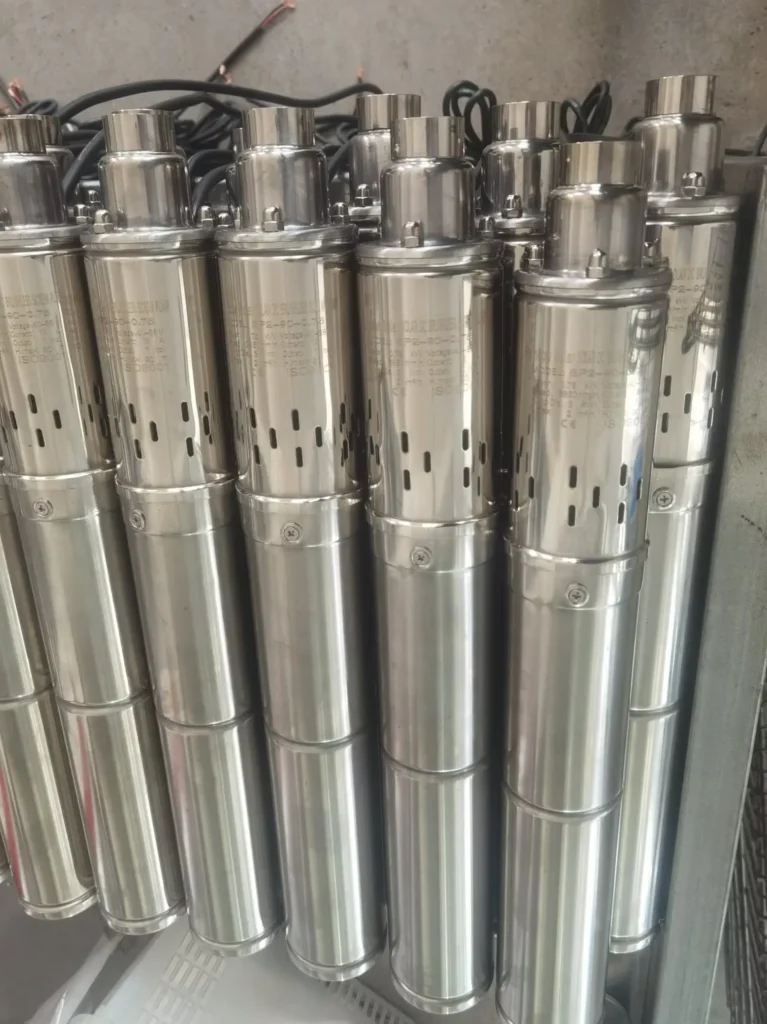
To select the right material, one must first understand the enemy. In the B2B industrial sector, “harsh water” typically falls into two categories, often overlapping in what we call “composite工况 (working conditions).”
1. Abrasive Sandy Water Conditions
Sandy water is defined by the presence of solid particulates. In our experience manufacturing pumps for the mining industry, we see particle sizes ranging from fine silt to coarse gravel.
- The Mechanism: Unlike chemical corrosion, sand causes physical damage. As water enters the pump volute and impeller, high-speed particles act like liquid sandpaper. This is known as “erosion wear.”
- The Damage: The leading edges of the impeller vanes thin out, the pump casing walls wear thin, and hydraulic efficiency drops drastically. Eventually, the impeller loses balance, causing bearing failure and catastrophic vibration.
- Common Scenarios: River dredging, well drilling, agricultural irrigation with groundwater, and mine tailings transfer.
2. Corrosive Water Conditions
Corrosion is an electrochemical process. It occurs when the metal of the pump reacts with its environment.
- The Mechanism: Oxidation (rusting) in freshwater, or chloride attack in saltwater. Acids and alkalis in industrial wastewater can aggressively dissolve metal structures.
- The Damage: Pitting (small holes), crevice corrosion, and galvanic corrosion. Unlike abrasion which removes material, corrosion weakens the structural integrity, leading to leaks, reduced pressure, and sudden ruptures.
- Common Scenarios: Seawater intake (seawater pumps), chemical processing plants, and municipal wastewater treatment.
3. The Composite Nightmare: Sand + Corrosion
In many overseas projects we support, these two forces combine. Consider a coastal mining operation: the water is salty (corrosive) and filled with sand (abrasive). Our field tests indicate that in composite conditions, the failure rate of standard cast iron pumps accelerates by 300% to 500%. The corrosion roughens the metal surface, making it even easier for sand particles to rip away material.
Core Reasons Why Pump Material is Non-Negotiable
Why does material trump even the brand of the motor or the efficiency of the hydraulics? Here are the four pillars of material science that every procurement manager must understand.
1. Anti-Abrasion Performance: The Hardness Factor
The primary defense against sand is hardness. At Jingong’s R&D lab, we conduct sand-slurry tests comparing different materials.
- Brinnell Hardness: Standard Grey Cast Iron has a hardness of around 150-200 HB. High-Chrome Alloy can reach 550-650 HB.
- The Result: In a controlled test involving 10% silica sand slurry, a standard cast iron impeller showed significant wear within 200 hours. A High-Chrome Alloy impeller showed negligible wear after 2,000 hours.
- Expert Insight: If your application involves grit, you cannot rely on soft metals. The material must be harder than the particles being pumped.
2. Anti-Corrosion Performance: The Chemical Resistance
Corrosion resistance is about stability. Salt (Chlorides) is particularly nasty because it breaks down the passive oxide layer on stainless steel.
- The Grade Matters: 304 Stainless Steel contains about 18% Chromium, offering good resistance to oxidizing acids. However, in seawater, 316 Stainless Steel (with added Molybdenum) is essential. The Molybdenum enhances resistance to pitting and crevice corrosion.
- Expert Insight: Using 304 stainless steel in a marine environment is a common and costly mistake. Within months, “tea staining” appears, followed by pitting leaks.
3. Service Life & ROI: The Long-Term Calculation
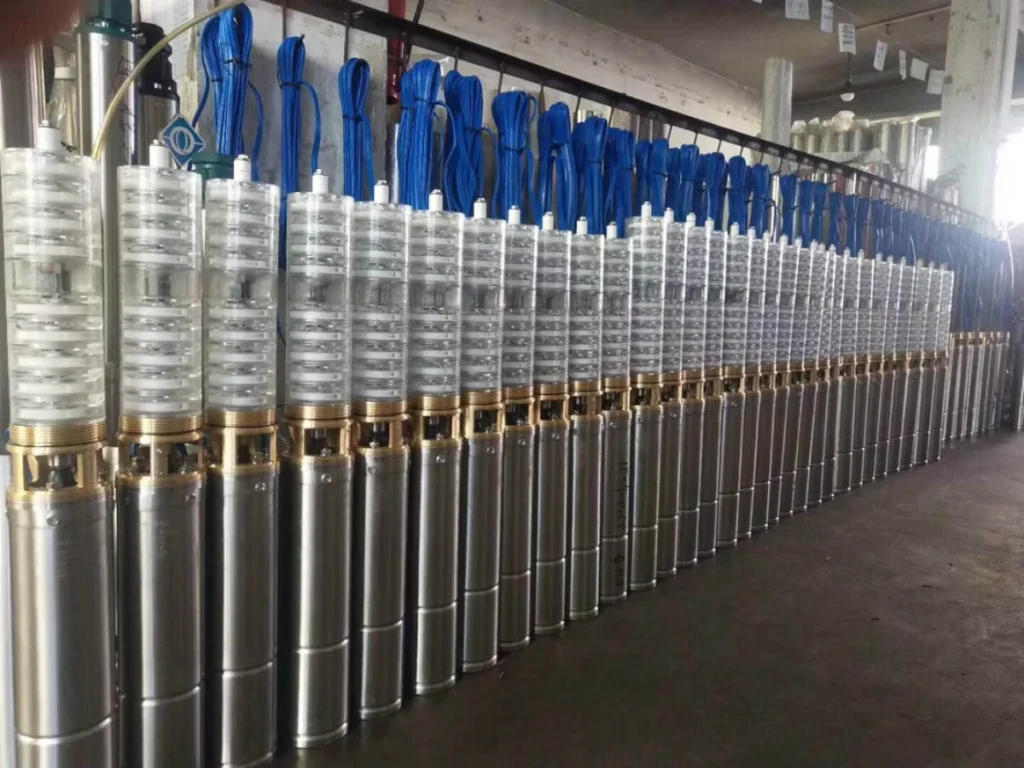
B2B buyers often focus on the initial CapEx (Capital Expenditure). However, the true cost lies in OpEx (Operational Expenditure).
- The Math: A cheap cast iron pump might cost $500 but last only 6 months in a corrosive environment. A 316 SS pump might cost $1,500 but last 5 years.
- Downtime Costs: In a municipal water project, an hour of downtime can cost thousands in penalties. A durable material ensures continuity.
- Expert Insight: We advise clients to calculate the “Cost Per Hour of Operation.” Often, the most expensive pump upfront is the cheapest over a decade of use.
4. Operational Stability & Safety
Material degradation leads to safety hazards. A corroded pump housing can burst under pressure. An unbalanced, worn impeller can cause the shaft to shear off.
- Compliance: Many industries (Oil & Gas, Mining) have strict safety standards (ISO, API). Using certified materials ensures compliance and prevents workplace accidents.
- Expert Insight: Material certification (Mill Test Reports) is not just paperwork; it is proof of safety and quality assurance.
Common Pump Materials: Pros, Cons, and Real-World Performance
As a manufacturer of diverse pump types including gasoline pumps and diesel pumps, we work with a wide array of materials. Here is our expert breakdown based on thousands of hours of testing.
| Material Type | Abrasion Resistance | Corrosion Resistance | Best Application | Limitations / Risks |
|---|---|---|---|---|
| Grey Cast Iron (Standard) | Poor | Poor | Clean, cold freshwater (e.g., HVAC circulation). | Rusts quickly in moisture; wears out fast with sand. Not suitable for harsh conditions. |
| 304 Stainless Steel | Moderate | Good (Freshwater) | Mildly corrosive water, food processing, potable water. | Prone to pitting in chlorides (salt water). Avoid marine use. |
| 316 Stainless Steel | Moderate | Excellent | Seawater, coastal installations, chemical processing. | Higher cost. Moderate abrasion resistance; not ideal for heavy sand loads unless hardened. |
| High-Chrome Alloy (Cr27, Cr28) | Exceptional | Fair to Good | Mining slurries, dredging, high-sand environments. | Brittle compared to steel. Difficult to machine. Not suitable for highly acidic water. |
| CD4MCu (Duplex Stainless Steel) | Very Good | Superior | Oil & Gas, aggressive marine environments, FGD scrubbers. | Very expensive. Requires expert welding procedures. |
| PVDF / Fluoropolymers | Poor (Soft) | Outstanding | Strong acids (HCl, H2SO4), highly toxic chemicals. | No mechanical strength. Cannot handle solids or high temperatures. |
Jingong Expert Tip: For our Solar Pumping Systems used in desert agriculture, we often recommend a hybrid approach: a 316 SS wet end for corrosion resistance combined with a hardened impeller (High-Chrome) to withstand the inevitable sand ingestion during low water levels.
Case Studies: The Cost of Wrong Material Selection
Theory is important, but reality is where reputations are made or broken. Here are anonymized case studies from the Jingong technical support archives.
Case Study 1: The Coastal Farm Disaster (Sandy + Corrosive)
Location: Vietnam Coastline.
Application: Rice paddy irrigation using brackish water.
Equipment: Competitor’s standard Cast Iron Land Pump.
Problem: The farmer purchased a low-cost pump. Within 3 weeks, the impeller had eroded completely due to sand, and the casing began leaking due to salt corrosion.
Jingong Solution: We replaced it with a Jingong 316 Stainless Steel Land Pump featuring a closed-type impeller. After 18 months, the pump remains operational with minimal efficiency loss.
Lesson: In coastal areas, “freshwater” pumps fail rapidly. Marine-grade materials are mandatory.
Case Study 2: The Mine Dewatering Shutdown (High Abrasion)
Location: Peru.
Application: Mine dewatering with high quartz content.
Equipment: Standard 304 SS Submersible Pump.
Problem: The stainless steel impeller suffered severe erosion-corrosion. The pump failed every 45 days, costing the mine $50k per shutdown in lost productivity.
Jingong Solution: We engineered a custom High-Chrome Alloy Submersible Slurry Pump. The service interval extended to 14 months.
Lesson: Stainless Steel is not always the answer for abrasion. Hardness beats chemistry in mining.
Case Study 3: The Chemical Plant Leak (Chemical Corrosion)
Location: Indonesia.
Application: Transfer of mildly acidic wastewater (pH 4.5).
Equipment: Generic Cast Iron Pump.
Problem: Pin-hole leaks developed in the volute within 30 days. This posed an environmental hazard and risked EPA-style fines.
Jingong Solution: Upgraded to a FRP (Fiberglass Reinforced Plastic) Pump. Zero corrosion after 2 years.
Lesson: Never guess pH levels. Acidic conditions require non-metallic or highly alloyed solutions.
The Jingong Professional Material Selection Guide
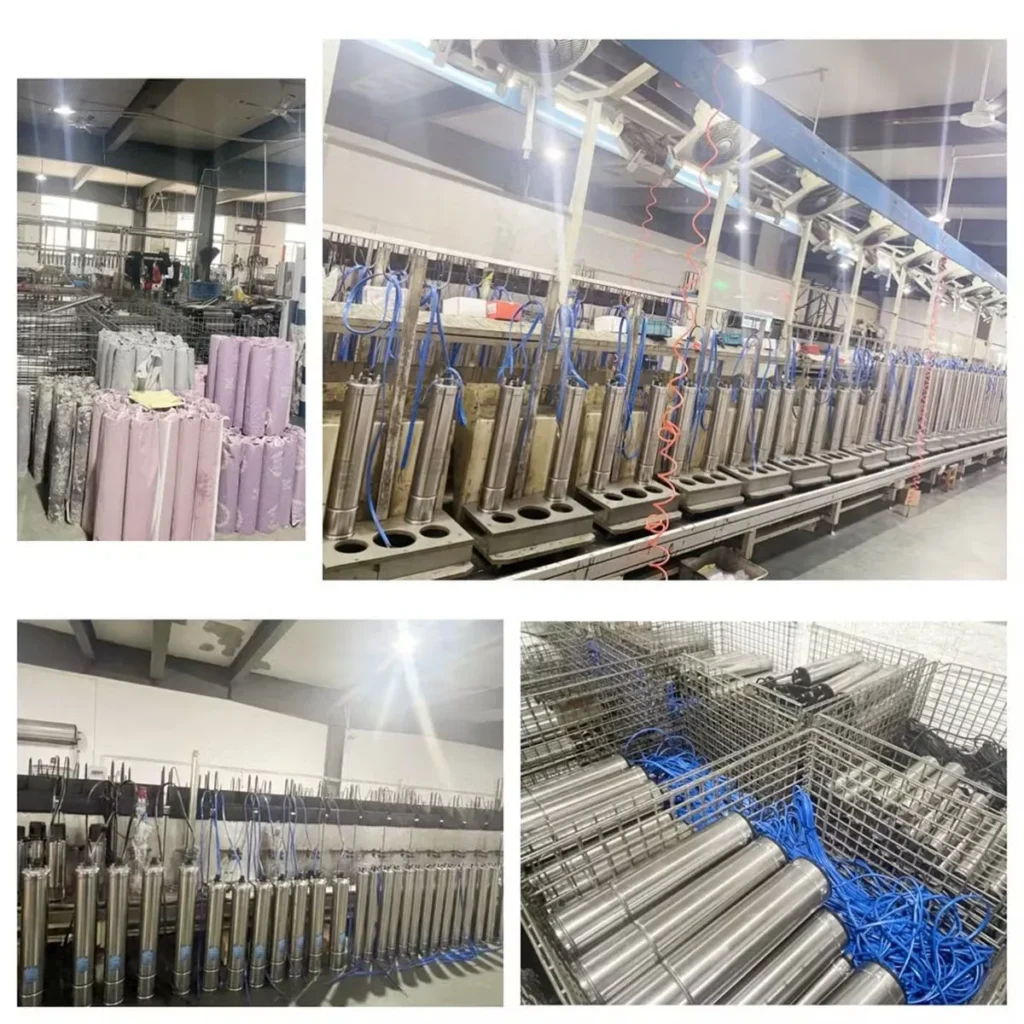
Use this Pump Material matrix to guide your next purchase. If you are unsure, contact our engineering team for a free consultation.
Selection Matrix for Common Harsh Conditions
- Pure Sand / High Abrasion (No Corrosion):
- Primary Choice: High-Chrome Alloy (A05, Cr27).
- Secondary Choice: Hardened 316 Stainless Steel.
- Jingong Product Match: Heavy Duty Slurry Pumps.
- Pure Corrosion (Seawater/Chemicals):
- Primary Choice: 316 Stainless Steel or Duplex Stainless Steel.
- Secondary Choice: PVDF/FRP (for strong acids).
- Jingong Product Match: 316 SS Submersible Pumps, Chemical Transfer Pumps.
- Composite Conditions (Sand + Salt/Chemicals):
- Primary Choice: Duplex Stainless Steel (CD4MCu) or Custom Clad Materials.
- Budget Option: 316 SS with Hardened Wear Rings.
- Jingong Product Match: Custom-engineered Offshore & Marine Pumps.
- Solar-Powered Irrigation (Variable Conditions):
- Recommendation: 316 SS construction is highly recommended for longevity, especially if water quality is unknown. The cost difference is negligible compared to the lifespan extension.
- Jingong Product Match: Helical Rotor Solar Pumps (resistant to sand) or Centrifugal Solar Pumps in 316 SS.
Pro-Tip for Procurement: Always request a Mill Test Certificate (MTC) for the raw materials. This verifies the chemical composition (e.g., verifying the Molybdenum content in 316 SS) and ensures you are getting what you paid for.
Frequently Asked Questions (FAQs)
1. Is stainless steel pump good for sandy water?
It depends on the grade and hardness. Standard 304 or 316 stainless steel offers moderate abrasion resistance but is significantly better than cast iron. However, for heavy sand loads (like mining), High-Chrome Alloys are superior. For light sand in corrosive water, a hardened 316 SS pump is often the best compromise.
2. What is the most corrosion-resistant pump material?
For metallic pumps, Titanium and Hastelloy are at the top, but they are prohibitively expensive for most applications. Duplex Stainless Steels (like CD4MCu) offer excellent resistance at a lower cost. For extreme chemical corrosion, non-metals like PVDF (Polyvinylidene fluoride) are virtually inert to most acids and solvents.
3. Do sand particles damage the pump body?
Yes. Sand particles cause “erosion wear.” They act like a cutting tool on the internal surfaces of the pump—the impeller, volute, and wear plates. Over time, this changes the hydraulic profile of the pump, reduces efficiency, and eventually leads to mechanical failure.
4. Which pump material lasts longest in seawater?
316 Stainless Steel is the industry standard for seawater. However, for long-term submerged applications (like offshore platforms), Super Duplex Stainless Steel or Bronze alloys are preferred to prevent biofouling and pitting. Avoid 304 stainless steel in seawater at all costs.
5. Can cast iron pumps be used in corrosive water?
No. Cast iron rusts rapidly in corrosive environments. Even in seemingly “mild” conditions, cast iron will develop tubercles (rust bumps) that restrict flow and harbor bacteria. Cast iron should only be used for clean, temperature-stable freshwater in protected environments.
6. How does Pump Material affect the efficiency of my solar pump system?
Material affects efficiency through surface roughness and hydraulic balance. A worn, corroded impeller creates turbulence, wasting the precious energy generated by your solar panels. Using corrosion-resistant materials keeps the pump running at peak “Best Efficiency Point” (BEP) for years, maximizing your solar investment.
Conclusion: Invest in Material, Secure Your Operations
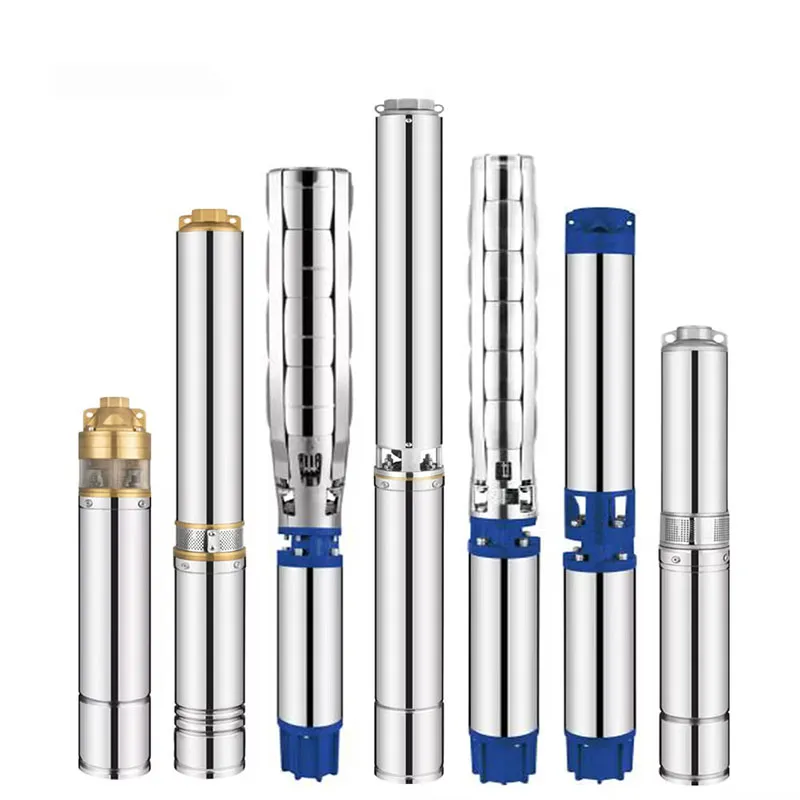
Selecting the right pump material for sandy or corrosive water is not merely a technical detail; it is a strategic business decision. As we have demonstrated through data and real-world cases, the wrong choice leads to a cycle of repairs, replacements, and downtime.
At Jingong Technology, we don’t just sell pumps; we provide engineered fluid handling solutions. Whether you need a reliable booster pump for a high-rise, a rugged diesel pump for emergency dewatering, or a sustainable solar pump for remote agriculture, our expertise in material science ensures your equipment survives the harshest conditions.
Don’t let pump failure dictate your operational schedule. Leverage our experience to specify the right material today.
Ready to Specify the Right Pump?
Get a free material compatibility analysis from our senior engineers. We’ll help you match the perfect pump to your exact water conditions.

0 Comments