
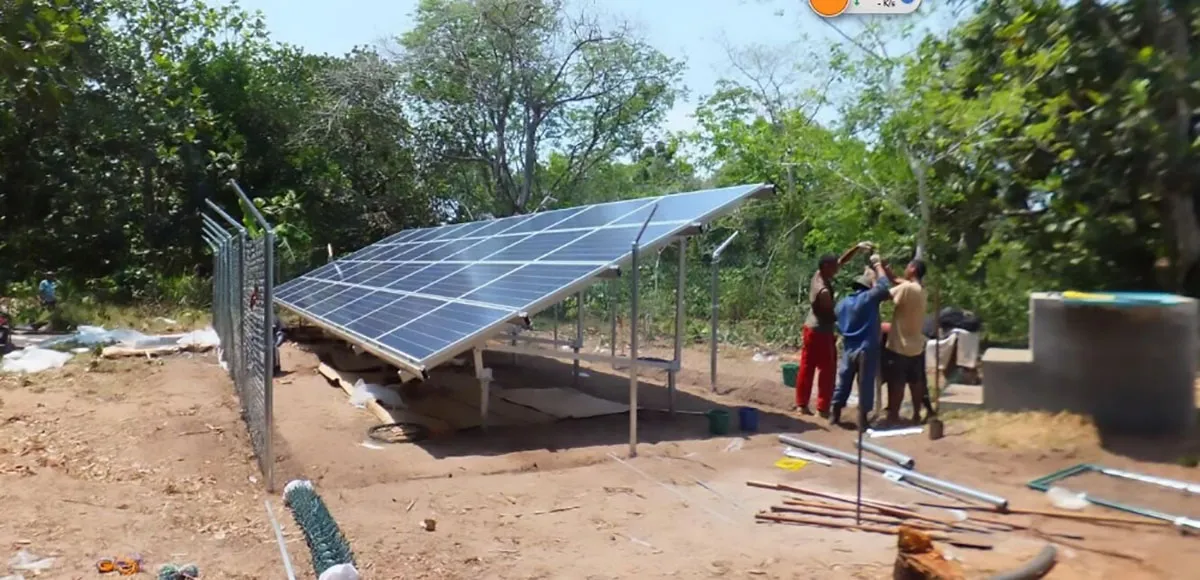
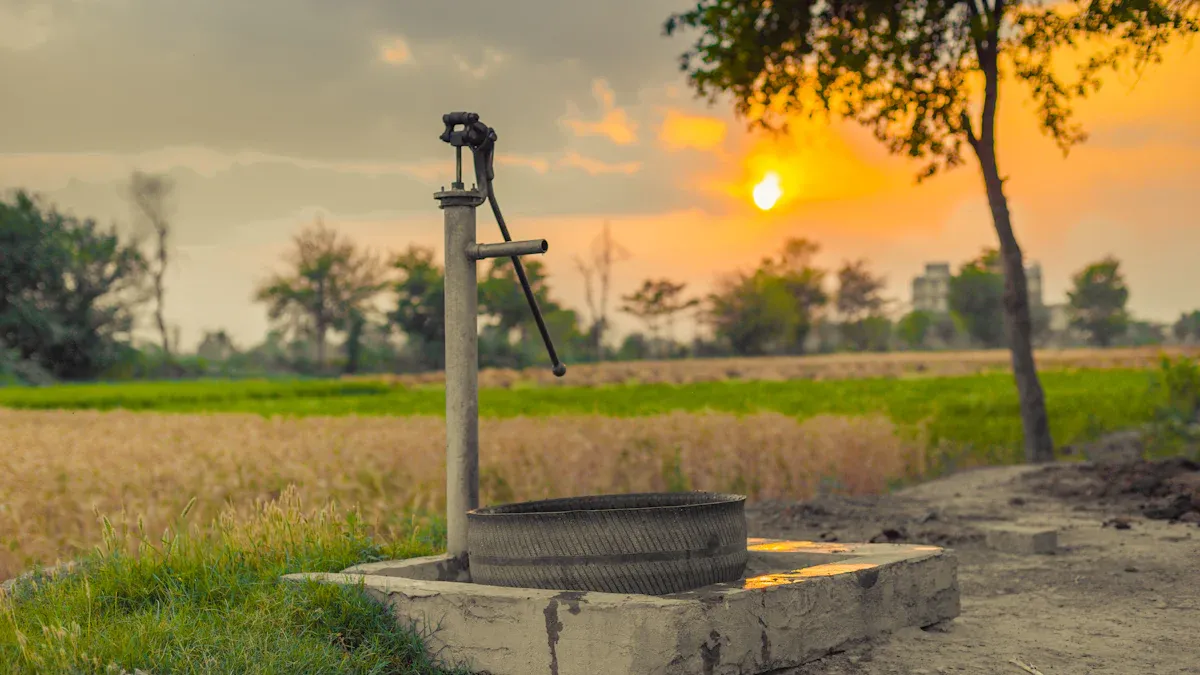
You may ask how people in faraway places get water they can count on. Solar pumps help make this happen. They do not need power from the grid. This means you can use them far from cities. Many farmers and families now use these pumps for drinking water. They also use them for watering crops. Here is why these pumps work so well:
Factor | Description | Impact |
|---|---|---|
| Rural Electrification Challenges | Not much grid power in remote places | Makes people want off-grid solutions |
| Energy Access | Need to manage water in a good way | More farmers use them for crops |
More money in farming, less water, and local projects help this change. You can trust solar pumps for your water needs.
Key Takeaways
- Solar pumps give steady water in far places. They do not need grid power. They are easy to take care of and good for nature. They save you time and money. They help the earth too. There are many kinds of solar pumps. Each one works with different water sources. You can pick the best one for your needs. Buying solar pumps can save you a lot of money over time. They cost less than fuel pumps in the long run. If you set up solar pumps the right way, they last longer. Taking care of them helps them work better.
How solar pumps work
Solar energy conversion
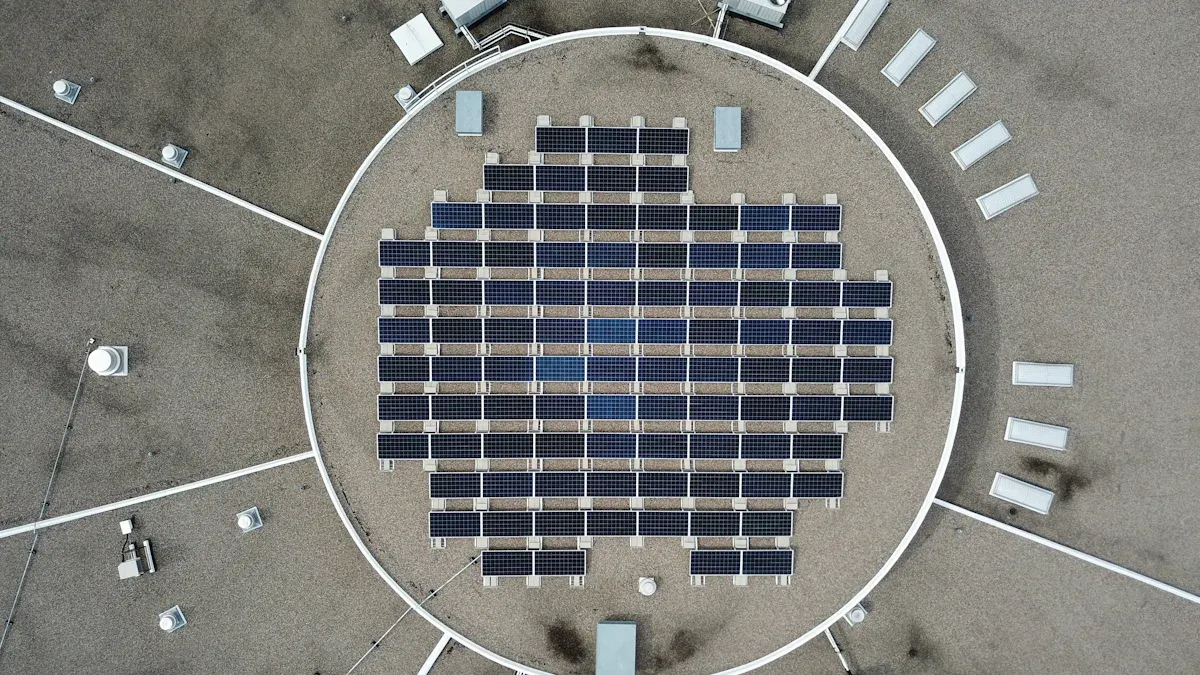
You might wonder how solar pumps actually get their power. The answer starts with sunlight. Solar panels use special cells called photovoltaic (PV) cells. These cells turn sunlight into electricity right where you need it. Here’s how the process works:
- PV cells grab energy from sunlight, which is made up of tiny particles called photons.
- When photons hit the PV cells, they knock electrons loose from atoms inside the cell.
- This movement of electrons creates an electric current, just like a battery.
- The PV cells have two layers—one with a positive charge and one with a negative charge. This setup helps push the electrons in the right direction, making electricity flow.
This science isn’t new. People started learning about the photoelectric effect back in 1839. The first solar cells used selenium, but now most use silicon for better results. You don’t need to worry about the details, but it’s cool to know that this technology has been around for a long time.
Types and applications
You can find different types of solar pumps for different jobs. Each type works best in certain situations. Here’s a quick look at the main types and where you might use them:
| Type of Solar Pump | Description | Applications |
|---|---|---|
| Surface water pumps | Move water over short heights but long distances across the ground. | Off-grid homes, watering animals, emergency irrigation, villages. |
| Submersible water pumps | Push water up from deep underground, great for wells and boreholes. | Small farms, emergency water supply, deep well pumping. |
| Aerating water pumps | Add oxygen to water, not for moving water far or high. | Fish ponds, keeping water fresh, stopping ponds from freezing. |
You can pick the right pump for your needs. If you live on a farm, you might use a submersible pump for your well. If you have a pond, an aerating pump keeps your fish healthy. Solar pumps give you options, even when you live far from the city.
Solar pumps: benefits in remote areas
Off-grid independence
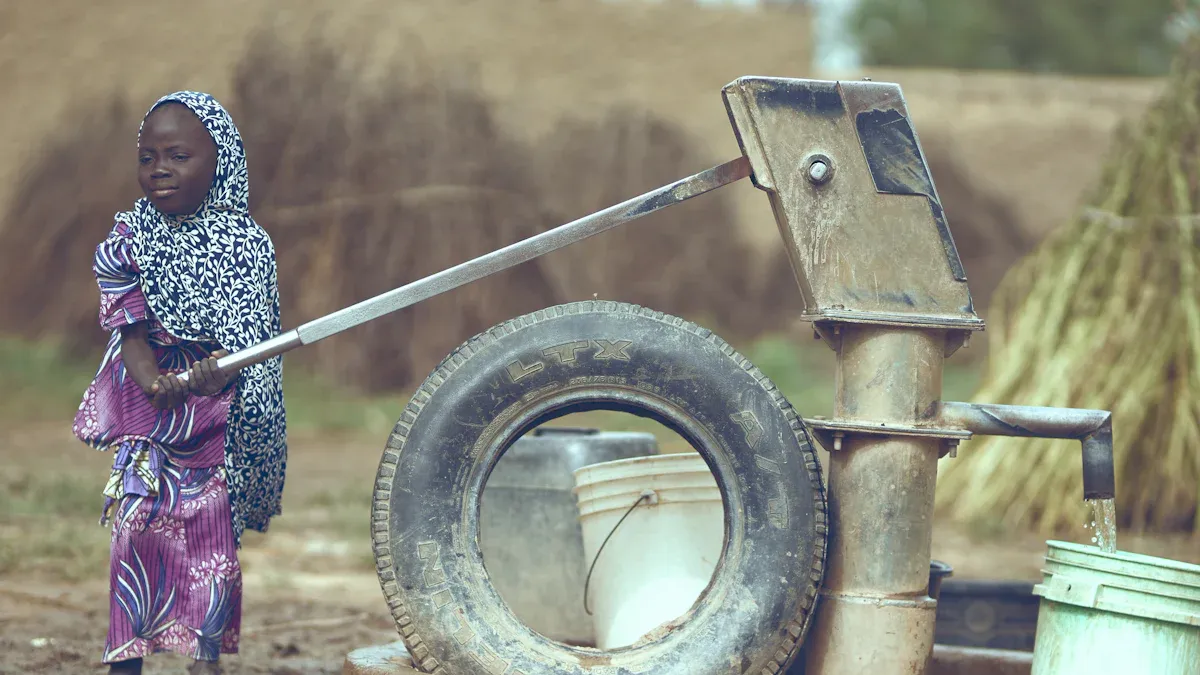
You might live in a place where power lines do not reach. Maybe you have seen diesel pumps that need fuel deliveries or electric pumps that stop working when the power goes out. Solar pumps give you a better way. They work without any connection to the electrical grid. You just need sunlight, which is free and easy to find in most remote places.
- You do not have to worry about fuel shortages or price changes.
- Solar pumps adjust their work based on how much sunlight you get each day.
- You can set them up far from towns or cities, and they will still run.
Tip: If you want a water system that does not depend on anyone else, solar pumps are a smart choice.
Low maintenance and eco-friendliness
You probably do not want to spend your time fixing machines or paying for repairs. Solar pumps make life easier because they need very little care. Their design is simple, with fewer moving parts than diesel or electric pumps. This means fewer things can break.
- You save money and time because you do not have to fix them often.
- The parts last longer, so you do not have to replace them as much.
- Traditional pumps have many parts that wear out, but solar pumps keep things simple.
Solar pumps also help the planet. They do not burn fuel, so they do not release harmful gases into the air. You help fight climate change every time you use one. These pumps also use water wisely, which is important if you want to protect your land and crops.
Note: Solar pumps give you clean water without polluting the air or wasting resources.
Versatility and cost savings
You can use solar pumps almost anywhere you find water. They work for wells, boreholes, lakes, and rivers. If you need water for your crops, animals, or home, you can find a solar pump that fits your needs.
| Water Source | Type of Pump | Description |
|---|---|---|
| Wells | Submersible Pump | Works underwater, great for deep wells. |
| Boreholes | Submersible Pump | Pulls water from deep underground, up to 250 meters. |
| Lakes/Rivers | Surface Pump | Sits on the ground, perfect for shallow water sources. |
| Shallow Wells | Surface Pump | Best where the water table is high and easy to reach. |
You also save a lot of money over time. Solar pumps do not need fuel, so you do not pay for diesel or electricity. Over five years, you could save between $6,500 and $7,500 compared to using a diesel pump. That is money you can use for other things, like seeds, tools, or family needs.
- Use solar pumps for irrigation, livestock, or home water.
- They work in both rural and urban places.
- You get reliable water without high running costs.
Remember: Once you install a solar pump, you get water for free from the sun.
Challenges and solutions
Sunlight dependence
You might wonder what happens when the sun hides behind clouds or sets at night. Solar pumps need sunlight to work their best. On bright days, you get plenty of water. On rainy or cloudy days, the pump may slow down. In tropical places with lots of rain, this can be a bigger problem. Even though modern solar panels can still make some power on cloudy days, they might not give you enough for big jobs.
Here’s what you can do:
- Use water storage tanks to save extra water during sunny hours. This way, you have water when the pump is off.
- Think about hybrid AC/DC solar pumps. These pumps can use batteries or even connect to the grid if you have it. They keep working at night or when the weather is bad.
- Check your local weather before you buy. If you live where it rains a lot, you may need a bigger system or extra storage.
Tip: A good site check helps you pick the right size pump and storage for your weather.
Initial cost concerns
You may notice that solar pumps cost more at the start than diesel or electric pumps. A small farm system can cost between $500 and $2,000. Bigger systems can go over $5,000. That sounds like a lot, but you save money later because you do not pay for fuel or much maintenance.
Ways to make it easier:
- Some governments offer tax credits or cash back for solar systems. For example, a $3,000 system could get a $900 tax credit, making it only $2,100.
- You can install many solar pumps yourself. This saves you money on hiring experts.
- Over time, you get your money back in lower bills. Many people see payback in less than three years.
Note: The money you save on fuel and repairs adds up fast.
Installation and maintenance tips
You want your solar pump to last a long time—most work well for 15 to 20 years. Here’s how you can help your system run smoothly:
- Keep your solar panels clean. Dust and dirt block sunlight.
- Check for shade from trees or buildings.
- Listen for strange noises or vibrations. These can warn you of problems.
- Make sure your well or water source stays clean.
- In cold places, protect your pipes from freezing.
- Schedule a check-up with a pro once in a while.
You may also want to lock up your panels. Solar panels can be valuable, and it’s smart to keep them safe.
Remember: A little care goes a long way. Clean panels and regular checks keep your water flowing.
Real-world examples
Village water supply
Imagine living in a small village where getting clean water used to be a daily struggle. You wake up and walk far just to fill a bucket. Now, things look different. Solar pumps have changed life for many families. In one village, ten families rely on a deep well that reaches 100 meters underground. The solar pump there runs on just 154 watts of power, using a solar array rated at 195 Wp. You get water pumped up to a reservoir 10 meters high, and the system can keep working for six days without sunlight. Each family uses about 100 liters of water every day. The cost for water stays low, around 1.07 €/m³, and the whole system cost about 3019 €. Take a look at how it works:
| Parameter | Value |
|---|---|
| Daily consumption per family | 100 liters |
| Number of families | 10 |
| Well depth | 100 meters |
| Reservoir height | 10 meters |
| Autonomy | 6 days |
| Permitted loss of load | 2% |
| Water cost | 1.07 €/m³ |
| Investment cost | 3019 € |
| Pump power | 154 W |
| Solar array | 195 Wp |
You see how reliable water changes everything. Kids go to school instead of fetching water. Families stay healthy. You spend less money and time.
Tip: Many villages get help from NGOs and local governments. For example, in Kenya, a solar-powered water system now serves over 5,000 people all year.
Farm irrigation
You might wonder how farmers use solar pumps to grow more food. In Adamawa State, almost 90% of farmers saw better crop yields after switching to solar irrigation. Ethiopian farmers reported big jumps in productivity, with nearly 90% saying their crops improved. A small farmer in India doubled their harvest. Kenyan farmers boosted their yield by 30%, making food more secure for their families.
- Farmers in remote places grow more crops.
- They do not worry about fuel or power outages.
- Solar pumps help them save money and water.
Note: Governments and NGOs support these changes. In Cambodia, a government project helped farmers use solar irrigation to grow more food. In Bangladesh, solar pumps gave clean water to thousands after a disaster.
You can see how solar pumps make a real difference in both villages and farms. They bring water, hope, and a better future.
Steps to install solar pumps
Assessing site and water needs
You want your solar pump to work well from day one. Start by looking at your land and water needs. Here’s a simple way to get it right:
- Check your site. Walk around and see if the area is open and safe for solar panels.
- Find your water source. Is it a well, a river, or a pond? The type of water source helps you pick the right pump.
- Figure out how much water you need. Think about your crops, animals, or home. Write down how many gallons you use each day.
- Look at sunlight. Make sure your spot gets plenty of sun. No big trees or buildings should block the light.
Tip: A good site check saves you money and trouble later.
Choosing the right system
Picking the best solar pump system can feel tricky, but you can break it down. Use this table to help you compare what matters most:
| Criteria | Description |
|---|---|
| Water Requirements | How many gallons per minute you need for your farm or animals. |
| Total Dynamic Head (TDH) | How high and far the pump must move water. |
| Solar Insolation | How much sunlight your area gets each day. |
| Pump Type | Choose submersible for deep wells, surface for lakes or shallow wells. |
| System Components | Make sure panels, controllers, and batteries work well together. |
| Cost and Budget | Look at upfront cost and how much you’ll save over time. |
| Maintenance and Support | Check if you can get help or parts nearby. |
| Scalability and Flexibility | Can you add more panels or pumps later if you need more water? |
| Regulatory Compliance | Make sure you follow local rules for solar and water systems. |
Note: Write down your answers for each point. This makes shopping for a system much easier.
Installation and care
You want your solar pump to last for years. Follow these best practices:
- Use certified parts that meet safety standards.
- Pick weather-resistant boxes and sealed wires to keep out rain and dust.
- Ground your system and add fuses for safety.
- Ask a solar expert for help if your setup is big or complex.
Remember: A little care keeps your pump running strong and your water flowing every day. 🌞
You can count on solar pumps to bring water where you need it most. They work without grid power, save you money, and help protect the planet. Here’s why they stand out:
- Easy to install and use, even in tough places
- Durable design means less fixing and more water
- Clean energy keeps your air fresh and your costs low
- Reliable water supply for homes and farms
If you want a smart, long-lasting water solution, solar pumps are the way to go.
FAQ
How much sunlight do solar pumps need to work?
You need about 4 to 6 hours of good sunlight each day for most solar pumps. Cloudy days may slow the pump, but you can store water in tanks for later use.
Can I use a solar pump for drinking water?
Yes! You can use solar pumps for drinking water. Just make sure your water source is clean. Many families use them for safe, daily water needs.
What happens if my solar pump breaks?
Most solar pumps need little care, but if something goes wrong, check the panels and wires first. You can often fix small issues yourself. For bigger problems, call a local technician.
Do solar pumps work in winter or cold places?
Solar pumps work in cold places as long as they get sunlight. You may need to protect pipes from freezing. Keep panels clear of snow for best results.

0 Comments