
When a water pump goes out on a job site—whether it’s a submersible dewatering pump in a Southeast Asian mine, a high-pressure centrifugal pump in a European factory, or a solar pumping system in an African agricultural project—the consequences ripple far beyond a simple mechanical failure. For international B2B buyers, project managers, and maintenance contractors, a pump failure isn’t just an inconvenience; it’s a direct threat to profitability, project timelines, and safety compliance.
As a leading manufacturer of industrial pumps with over a decade of experience supplying global markets, we at Jingong Tech have seen firsthand how a lack of technical understanding can turn a $50 repair into a $50,000 disaster. This guide provides an exhaustive, expert-level analysis of what happens when a water pump goes out, designed specifically for the discerning needs of the international trade community.
1. JinGong Water Pump Introduction: The High Stakes of Pump Failure in Global Markets
In the world of B2B industrial equipment, the water pump is often the heart of the operation. According to the Hydraulic Institute, pumps account for nearly 20% of the world’s electrical motor energy consumption. When a pump goes out, it’s not merely the cost of the unit that matters. For our clients in the Middle East managing HVAC systems or farmers in South America relying on solar pumping systems, a failure triggers a chain reaction.
Industry data suggests that up to 30% of unplanned downtime in processing plants is linked to pump failure. In the export market, these numbers are exacerbated by logistical delays. A pump failure in a landlocked African nation might mean waiting 4-6 weeks for a replacement part, compared to 24 hours in a domestic setting. At Jingong Tech, our engineering team specializes in designing robust centrifugal pumps and submersible pumps that mitigate these risks, but understanding the failure modes remains critical for every operator.

2. Immediate Physical Manifestations: Decoding the Symptoms
Recognizing the early warning signs of a failing water pump can save thousands in emergency freight and lost production. Here is what happens physically when a pump begins to fail:
2.1 Abnormal Noise & Cavitation
A healthy pump emits a low hum. When a pump goes out, it often screams for help. Cavitation occurs when the inlet pressure drops below the vapor pressure of the liquid, causing bubbles to form and violently collapse inside the pump casing. This sounds like gravel or marbles rattling inside the pump. Bearing Noise: A high-pitched whining or grinding noise usually indicates bearing wear or lubrication failure. In our factory tests at Jingong, we use vibration sensors to detect bearing frequencies before they become audible to the human ear.
2.2 Seal Failures and External Leakage
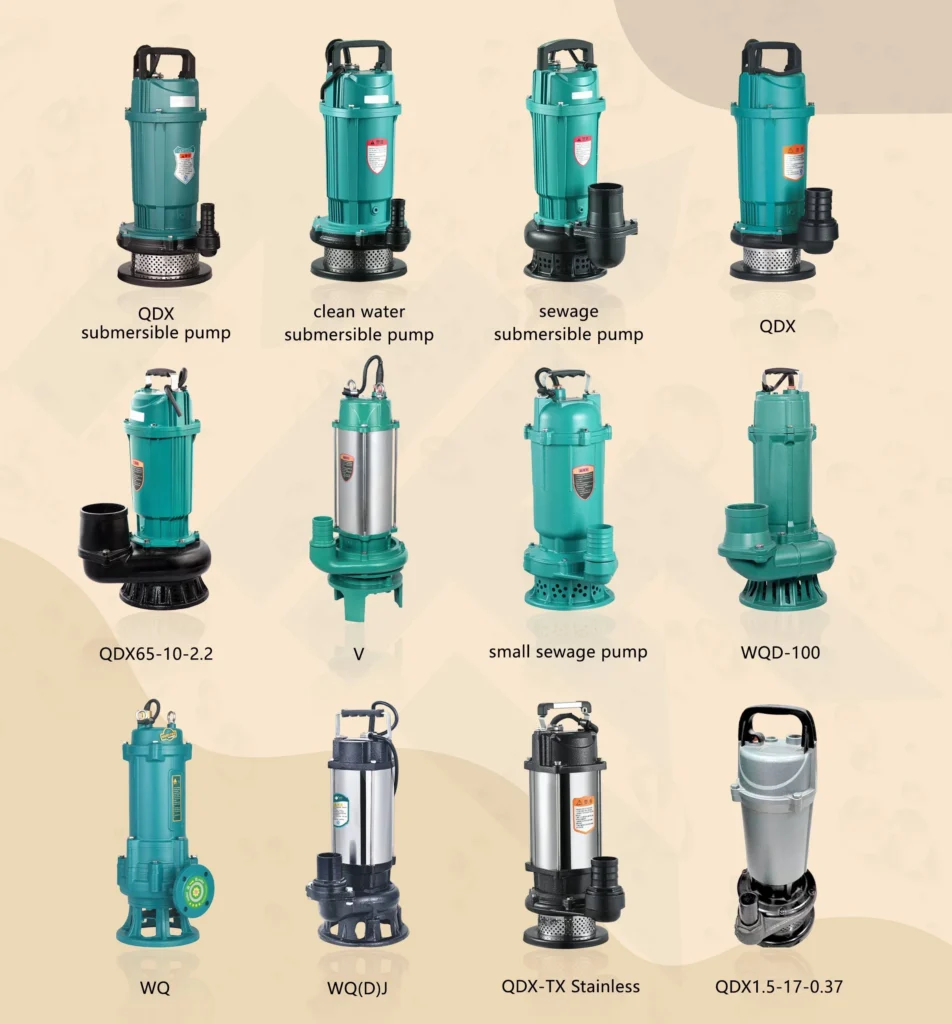
The mechanical seal is the most common failure point. When it fails, you will notice drips or streams of water escaping from the seal housing. While a few drops per minute might be acceptable (depending on the API standard), a continuous leak indicates the seal faces have worn out. In submersible pumps, internal leakage leads to “shorting” or electrical ground faults, which is why all Jingong submersible motors are equipped with double mechanical seals and moisture detection probes.
2.3 Pressure Drops and Flow Rate Reduction
If your discharge pressure gauge suddenly drops, or if the flow rate visibly decreases, the pump is losing its prime or efficiency. This happens when the impeller has eroded (common in sandy water applications) or if there is an air lock in the suction line. For gasoline and diesel engine pumps, this could also indicate a clogged fuel filter or carburetor issue affecting engine RPM.
2.4 Overheating and Thermal Shutdowns
Pumps generate heat. When a pump goes out due to mechanical friction or inadequate cooling (running dry), the motor windings overheat. Most modern industrial pumps have thermal overload protection that cuts power. If your pump trips the breaker frequently, do not simply reset it—this is a sign of internal resistance or insulation breakdown.
3. Water Pump Short-Term Operational Impacts: The Ripple Effect
For the international buyer, the “short-term” impact of a pump failure begins the moment the “Stop” button is pressed—voluntarily or otherwise.
3.1 Unplanned Downtime: Calculating the True Cost
Downtime cost is not just the repair bill. It includes:
- Lost Production: If a cooling water pump fails in a manufacturing plant, the entire production line stops.
- Labor Standby: Paying skilled workers to stand idle while waiting for a part.
- Contractual Penalties: Many construction contracts include “Liquidated Damages” clauses for late completion due to equipment failure.
In a recent case study involving a Jingong client in Indonesia, a failed non-Jingong branded pump resulted in a 3-day shutdown of a palm oil processing line, costing an estimated $28,000 in lost output before a replacement was air-freighted in.
3.2 Cascading Equipment Damage
A failing pump rarely dies alone. A seized pump can snap drive belts, overload gearboxes, or cause a generator to surge. In a closed-loop system, a failed pump can lead to overheating of connected machinery, such as compressors or engines, turning a single-point failure into a multi-asset catastrophe.
3.3 Logistical Nightmares: The Global Supply Chain Delay
This is unique to the export market. When a pump goes out in a domestic factory, a technician drives over with a part. When a pump goes out in rural Kenya or a remote mine in Peru, logistics become a nightmare. Customs clearance, local transportation, and finding a technician who understands the specific model (e.g., a specific diesel engine pump) add layers of complexity and time.
4. Long-Term Consequences: Degradation and Systemic Risk
Ignoring a failing pump or opting for a cheap, temporary fix leads to severe long-term repercussions.
4.1 Corrosion, Erosion, and Material Fatigue
Once a pump starts leaking, moisture ingress begins corroding internal components. In stainless steel pumps, crevice corrosion can occur. In cast iron pumps, rust jacking can destroy the structural integrity of the casing. Continuous vibration from an unbalanced impeller causes fatigue failure in the shaft—a catastrophic break that is almost impossible to repair cost-effectively.
4.2 Regulatory Non-Compliance and Environmental Hazards
In many Western markets (EU & USA), leaking pumps can violate environmental regulations regarding groundwater contamination or chemical spillage. Fines for non-compliance can dwarf the cost of the pump itself. Furthermore, energy efficiency standards (like the EU’s ERP directive) penalize inefficient equipment. An old, failing pump consumes significantly more electricity than a new, high-efficiency Jingong pump.
4.3 Total Cost of Ownership (TCO) vs. Initial Purchase Price
Many buyers make the mistake of choosing the cheapest pump. However, a cheap pump that lasts 1 year and requires $500 in annual maintenance has a higher TCO than a premium Jingong pump that lasts 5 years with minimal maintenance. We advise all our clients to calculate TCO using this formula: TCO = Purchase Price + Installation + Energy Costs + Maintenance + Downtime Costs – Residual Value.
5. Root Cause Analysis: Why Do Pumps Fail?
To prevent recurrence, one must understand the “Root Cause.” In our experience at Jingong Tech, failures typically fall into four categories:
5.1 Design Flaws and Incorrect Sizing (A Procurement Trap)
This is the #1 cause of premature pump failure in export markets. A buyer selects a pump based on “maximum head” without considering the system curve.
- Oversizing: Causes the pump to operate far from its Best Efficiency Point (BEP), leading to recirculation and cavitation.
- Undersizing: Causes the pump to run continuously at maximum capacity, overheating the motor.
- Material Mismatch: Using a standard cast iron pump for acidic mine water or seawater. This is why Jingong offers specialized alloys and thermoplastics for corrosive environments.
Always consult with an engineer before purchasing. Our technical team provides free sizing consultations to ensure your Jingong pump matches your exact site conditions.
5.2 Installation Errors: The Silent Killer
Even the best pump will fail if installed incorrectly. Common errors include:
- Misalignment: Between the motor and pump shaft (common in land pumps).
- Poor Piping: Having elbows too close to the pump inlet, causing turbulent flow.
- Inadequate Foundation: A weak base allows vibration to amplify.
5.3 Lack of Preventive Maintenance (PM)
“Run-to-failure” is a costly strategy. Neglecting to change oil, grease bearings, or check seal condition inevitably leads to disaster. For solar pumps, failing to clean the PV panels or check the controller settings can lead to imbalanced loads and motor stress.
5.4 Environmental Factors: Voltage, Sediment, and Climate
Voltage Fluctuation: Common in developing regions, this burns out motor windings.
Sediment: Sandy water acts as sandpaper on the impeller and mechanical seals.
Climate: Extreme cold can freeze water in the lines, cracking the pump casing. Extreme heat reduces motor cooling efficiency.
6. Water Pump Expert Diagnosis: How to Identify a Failing Pump
Diagnosis is the bridge between identifying a symptom and applying a solution. Here is how professionals diagnose a pump that is going out.
6.1 Basic Field Checks (No Tools Required)
- The Touch Test: Carefully touch the pump casing (avoid hot surfaces). Excessive heat is a bad sign.
- The Sound Test: Use a screwdriver as a stethoscope. Place the metal tip on the bearing housing and your ear on the handle. A smooth whir is good; a grating sound is bad.
- The Visual Inspection: Look for rust streaks (indicating leaks), loose bolts, or frayed wires.
6.2 Advanced Diagnostics: Vibration Analysis and Thermography
For large industrial operations, investing in diagnostic tools pays for itself.
- Vibration Analysis: Uses accelerometers to detect imbalances, misalignments, and bearing defects.
- Thermography: Infrared cameras detect “hot spots” in the motor windings or bearing housings before they fail.
- Power Signature Analysis: Monitoring the electrical current draw can reveal mechanical problems like cavitation or rotor bar defects.
6.3 Remote Support: How Jingong Tech Diagnoses Issues Globally
As a global manufacturer, we utilize modern technology to support our clients. If your Jingong pump exhibits issues, our engineers can often diagnose the problem remotely. By requesting photos of the nameplate, a short video of the pump in operation, and readings from your pressure gauges, we can pinpoint the issue. For electronic units like our Solar Pumping Systems, we can often access controller logs via Bluetooth/Wi-Fi to see error codes instantly.
7. Solutions: Repair, Rebuild, or Replace?
Once a pump goes out, you face a decision. Here is the strategic framework used by maintenance managers worldwide.
7.1 Emergency Mitigation Strategies
Before you fix it, stop the bleeding.
- Isolation: Immediately shut off power and isolate the pump from the system using block valves.
- Bypassing: If possible, reroute flow around the failed pump.
- Backup Activation: Activate standby pumps (ensure they are tested regularly!).
7.2 The Economics of Repair: When Is It Worth It?
The “Rule of Thirds” often applies: If the repair cost is less than 1/3 of the replacement cost, and the pump is relatively young, repair is viable. However, consider these factors:
- Availability of Parts: Can you get parts locally or quickly shipped? Jingong maintains a global spare parts inventory for our submersible and centrifugal pumps.
- Labor Costs: Skilled labor is expensive. Sometimes replacing a complete cartridge seal is cheaper than rebuilding individual components.
7.3 Strategic Replacement: Upgrading for Efficiency
If the pump is old (>10 years) or the repair cost is high, replacement is the smart move. Consider upgrading to:
- Higher Efficiency Motors: IE3 or IE4 rated motors reduce energy bills by up to 10-15%.
- Better Materials: Upgrade from Cast Iron to Stainless Steel 304/316 if corrosion is an issue.
- Smart Pumps: Pumps with integrated VFDs (Variable Frequency Drives) that adjust speed based on demand.
When replacing, ensure the new pump is sized correctly. Never assume the previous pump was sized right! Contact our sales engineers for a free hydraulic review.
8. Water Pump Preventive Measures: Protecting Your Investment
An ounce of prevention is worth a pound of cure. As a factory, we recommend these strategies to all our B2B partners.
8.1 Smart Procurement: Selecting the Right Manufacturer
Your relationship with your pump supplier should not end at the invoice. Choose a manufacturer, not just a vendor.
- Factory Audit: Does the factory have ISO 9001 certification? (Jingong does).
- Testing: Does the factory perform Hydrostatic and Performance tests before shipping? Ask for the test report.
- Warranty: Understand the warranty terms. Jingong offers a standard 12-month warranty covering manufacturing defects, backed by our global support network.
Explore our full range of Land Pumps and Submersible Pumps.
8.2 Condition-Based Monitoring (CBM)
Move away from time-based maintenance (e.g., greasing every month) to condition-based monitoring. Install sensors to monitor:
- Vibration levels
- Bearing temperature
- Discharge pressure
- Amperage draw
This allows you to intervene only when data indicates a potential failure, saving money and preventing surprise breakdowns.
8.3 Training Your Local Operators
The best pump in the world will fail if operated by untrained personnel. Ensure your on-site team knows how to:
- Prime a pump correctly.
- Vent air from the system.
- Read gauges and interpret alarm signals.
- Perform basic daily checks.
Jingong Tech provides comprehensive Operation & Maintenance manuals in multiple languages with every shipment.
9. Water Pump Frequently Asked Questions
Q1: How long does an industrial water pump typically last?
A: With proper maintenance and correct application, a high-quality industrial pump from a reputable manufacturer like Jingong Tech should last between 10 to 15 years. However, components like mechanical seals and bearings may need replacement every 2-5 years depending on the operating conditions (abrasiveness of water, pH levels, temperature).
Q2: Can I run my submersible pump dry?
A: Absolutely not. Running a submersible pump dry is a primary cause of failure. Without water to cool the motor and lubricate the mechanical seals, the motor will overheat rapidly, and the seals will melt or crack within minutes. Always ensure the pump is fully submerged before starting.
Q3: What is the difference between cavitation and aeration?
A: Cavitation is caused by low suction pressure creating vapor bubbles inside the pump that collapse violently. Aeration is caused by air leaking INTO the pump from the outside (usually through a loose fitting or cracked suction line). Both reduce efficiency and cause damage, but the sound differs: cavitation sounds like popping/cracking, while aeration sounds like hissing.
Q4: Why is my new pump vibrating so much?
A: Assuming the pump itself is not defective (check with the manufacturer), the most common causes are misalignment between the motor and pump, an unbalanced impeller (due to debris), or a resonance frequency in the piping. Check that the foundation is solid and that all bolts are tightened to spec.
Q5: How do I choose between a gasoline pump and an electric pump for remote sites?
A: Electric pumps (including Solar Pumps) are preferred for lower operating costs and less maintenance if power is available. Gasoline or Diesel Engine Pumps are ideal for remote sites with no grid power, emergency backup situations, or high-head applications where portability is key. Consider fuel availability and storage costs when deciding.
10. Conclusion: Water Pump Partnering for Reliability
When a water pump goes out, it sends a clear message: something in your system needs attention. Whether it’s a symptom of poor maintenance, incorrect sizing, or environmental stress, addressing the root cause is essential for long-term operational success.
At Jingong Tech (Zhejiang Jingong Machinery Co., Ltd.), we don’t just sell pumps; we provide fluid handling solutions. Our range of Centrifugal Pumps, Submersible Pumps, Solar Pumping Systems, and Engine-Driven Pumps are engineered for durability and performance in the most demanding global environments.
Don’t wait for a failure to disrupt your business. Invest in quality, invest in expertise.
Ready to upgrade your pumping system or need expert advice on a failing unit?

0 Comments