
As a professional Solar Water Pump Irrigation manufacturer【MFG×2】 with over 10 years of field experience across submersible pumps, surface land pumps, gasoline pumps, and diesel pumps, Jingong Tech writes this definitive guide to answer one question every farm owner, irrigation engineer, and overseas procurement manager asks: at what point does a solar water pump irrigation system stop being profitable?
1. Introduction: The Solar Water Pump Irrigation Profitability Myth
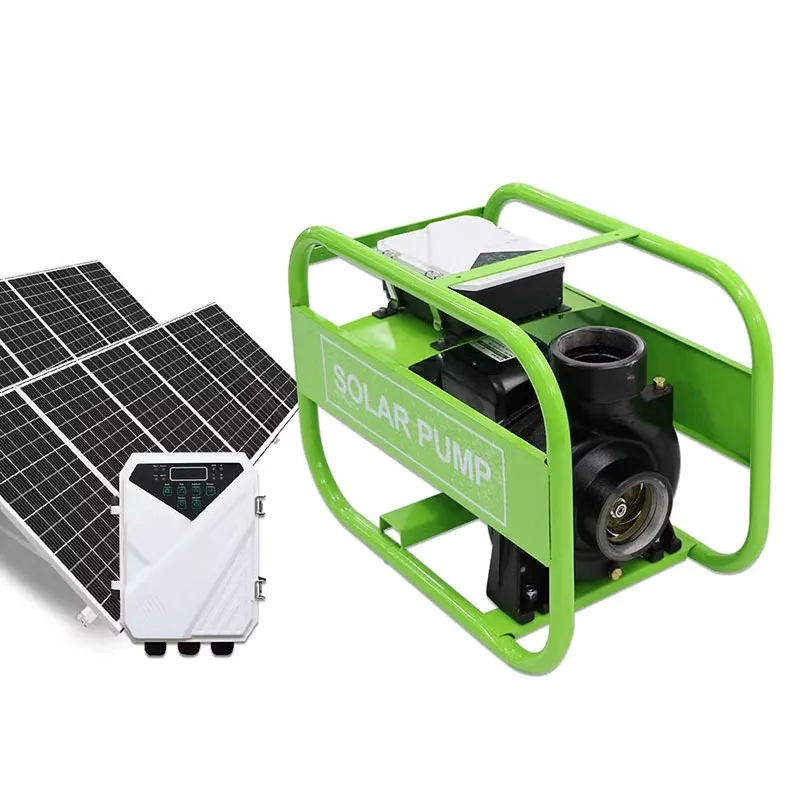
Across global agriculture, solar water pump irrigation is widely adopted as a “permanent profit machine.” As a Solar Water Pump Irrigation manufacturer【MFG×4】, we constantly remind buyers that solar pumps are NOT permanently profitable. Every solar pumping system has a break-even point and, beyond a certain age, a stop-paying-off threshold.
The misconception is understandable. A trusted Solar Water Pump Irrigation manufacturer【MFG×5】 will tell you the upfront story: zero fuel cost, zero electricity bill, 25-year panel warranty. But the full truth—the one that protects your investment—requires us to quantify exactly when the solar advantage erodes.
In this guide, we deliver a complete solar pump ROI calculation framework, examine when solar pump stops profitable, and compare solar submersible pumps, solar surface land pumps, gasoline water pumps, and diesel water pumps side-by-side. This is the same analysis a senior Solar Water Pump Irrigation manufacturer【MFG×6】 uses when advising farms in Africa, the Middle East, Southeast Asia, and South America.
Who This Article Helps
- Farm owners evaluating solar vs diesel water pump irrigation cost
- Irrigation engineers specifying submersible solar pump payback period
- Procurement managers comparing surface solar pump long term cost
- Distributors sourcing from a reliable Solar Water Pump Irrigation manufacturer【MFG×7】
2. Core Definition: Break-Even & “Stop-Paying-Off” Standard
A credible Solar Water Pump Irrigation manufacturer【MFG×8】 must standardize terminology before running numbers. In irrigation pumping, we define three distinct thresholds:
2.1 Break-Even Point (BEP)
The moment cumulative cost savings from a solar system equal the initial capital premium over a conventional pump. Typically occurs between 2–8 years depending on sunlight, diesel/electricity price, and system sizing.
2.2 Stop-Paying-Off Threshold
The moment when annual operating cost of the aged solar system > annual operating cost of an equivalent new diesel/electric pump, OR when the equipment residual value can no longer cover maintenance cost. This is the true solar water pump long term investment risk that most vendors avoid discussing.
2.3 Core Financial Metrics We Use
| Metric | Definition | Application |
|---|---|---|
| Payback Period | (Solar Capex − Conventional Capex) ÷ Annual Savings | Measures how long does solar irrigation pump take to break even |
| ROI | Net Profit ÷ Total Investment × 100% | Core solar pump ROI calculation |
| NPV | Sum of discounted cash flows minus initial investment | Authoritative solar pump NPV calculation |
| Annual Operating Cost | Fuel/energy + maintenance + replacement reserve | Key to irrigation pump ROI metrics |
| Total Dynamic Head (TDH) | Static head + friction loss | Determines pump sizing accuracy |
This solar pump break even point definition is what separates serious engineering from marketing brochures. Any Solar Water Pump Irrigation manufacturer【MFG×9】 claiming “permanent savings” without these metrics should be questioned.
3. Full Cost Breakdown: Solar Pump vs Traditional Pumps
To understand when irrigation pump stop generating profit, we must break down the full lifecycle cost of each pump type. As a Solar Water Pump Irrigation manufacturer【MFG×10】 producing all four types, Jingong Tech provides transparent cost structures below.
3.1 Solar Submersible Pump — Cost Structure
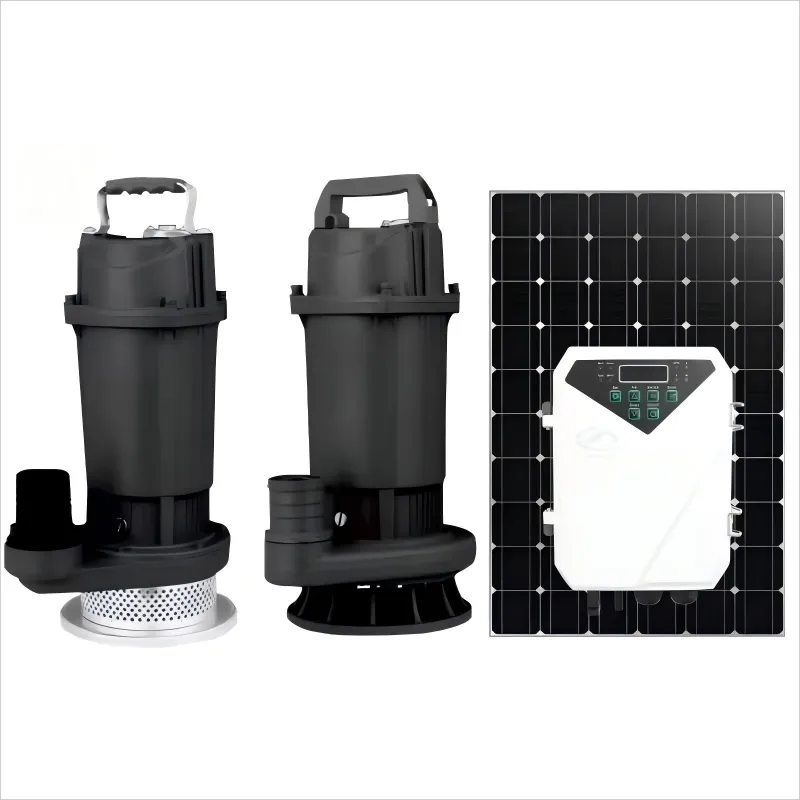
Initial investment: PV array + submersible pump + MPPT controller + mounting + installation. For a 5.12 kW system with 3 kW stainless steel submersible pump (60m head, 75 tons/day), the Turkey orchard case recorded an initial cost of USD 4,800.
Annual O&M: Panel cleaning, controller inspection, pump seal check. Over 25 years, the same project recorded total O&M + replacement at USD 13,542.
Degradation cost: Premium monocrystalline panels degrade at 0.25–0.5%/year, retaining 80–92% power at year 25. This gradual loss is the single biggest factor affecting solar water pump profitability.
25-Year Lifecycle Cost: USD 18,342 total; unit water cost = USD 0.0267/ton.
3.2 Solar Surface/Land Pump — Cost Structure
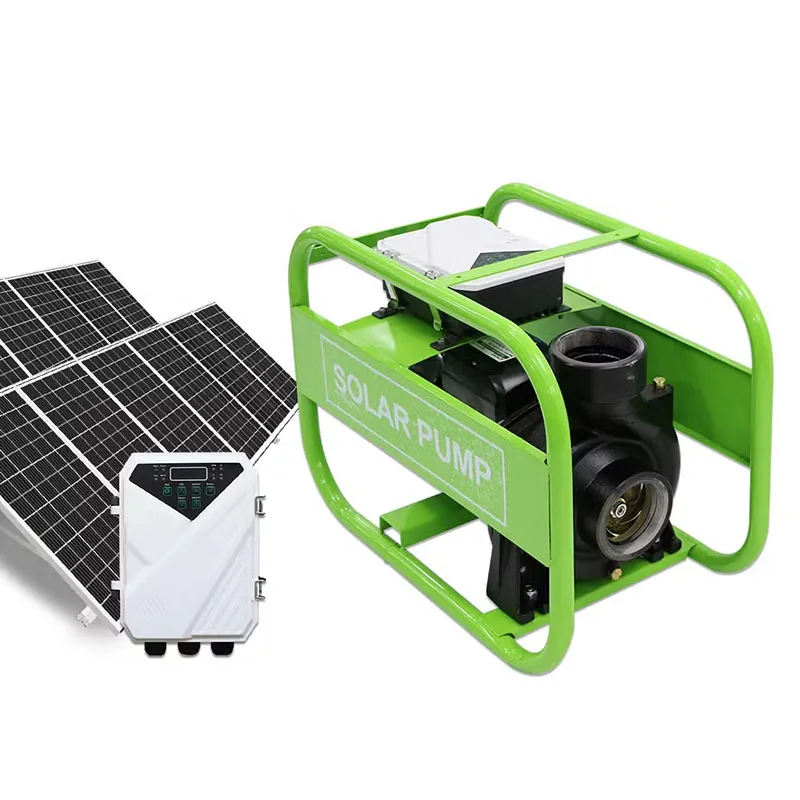
Solar surface pumps share the same PV cost basis but use a land-mounted pump. The solar surface land pump vs diesel pump cost gap is similar to submersible: lower pump cost, easier maintenance, but limited to shallow water sources (<8m suction depth).
Surface pumps are easier to service—a key advantage when analyzing factors reducing solar irrigation pump ROI. A Solar Water Pump Irrigation manufacturer【MFG×11】 will always ask about your water source depth before recommending submersible vs surface.
3.3 Gasoline / Diesel Water Pump — Cost Structure
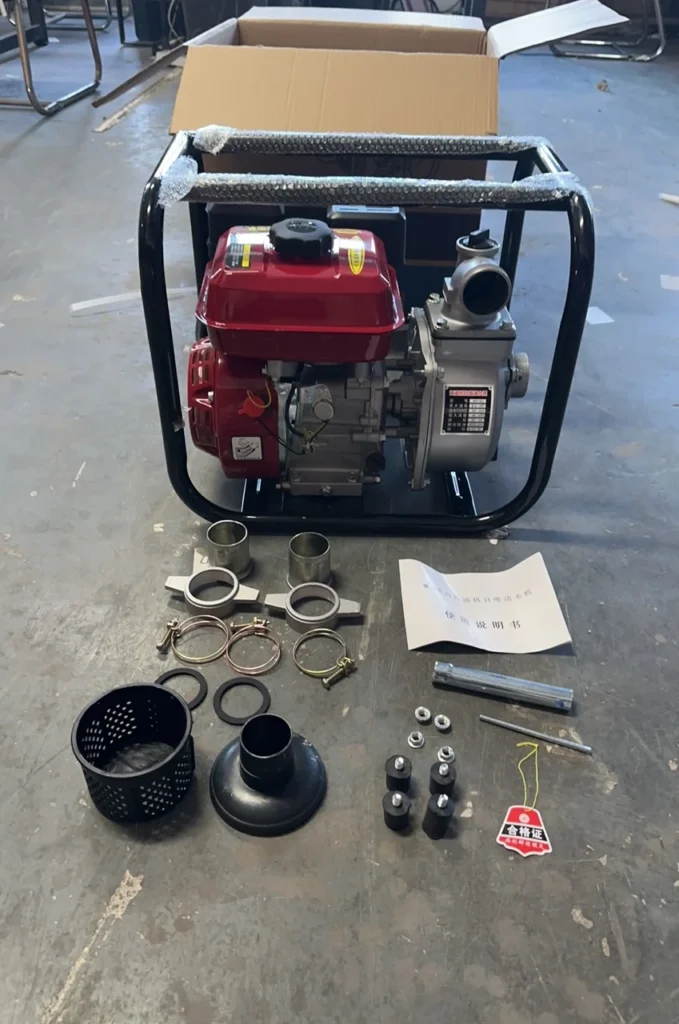
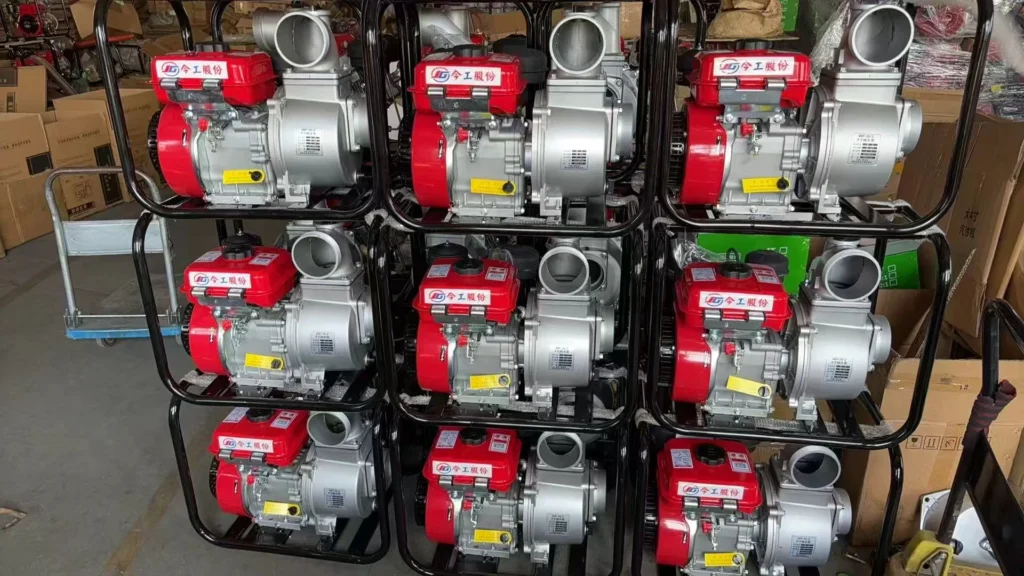
Diesel pumps have low initial cost (a 3.5 kW diesel generator + 1.5 kW pump ≈ USD 1,571 upfront) but massive operating expense:
- Annual fuel cost: USD 2,342 (Turkey case, 12h/day operation)
- Annual labor/maintenance: USD 1,042
- 25-Year total cost: USD 100,442; unit water cost = USD 0.147/ton
- Fuel consumption: approx. 1 L/hour for a typical Honda-class diesel pump; larger 15HP units consume 1.6 L/h
The diesel pump vs solar pump long term ROI gap is staggering: in the Turkey case, solar was 81.8% cheaper per ton of water over 25 years.
3.4 Traditional Electric Land/Submersible Pump
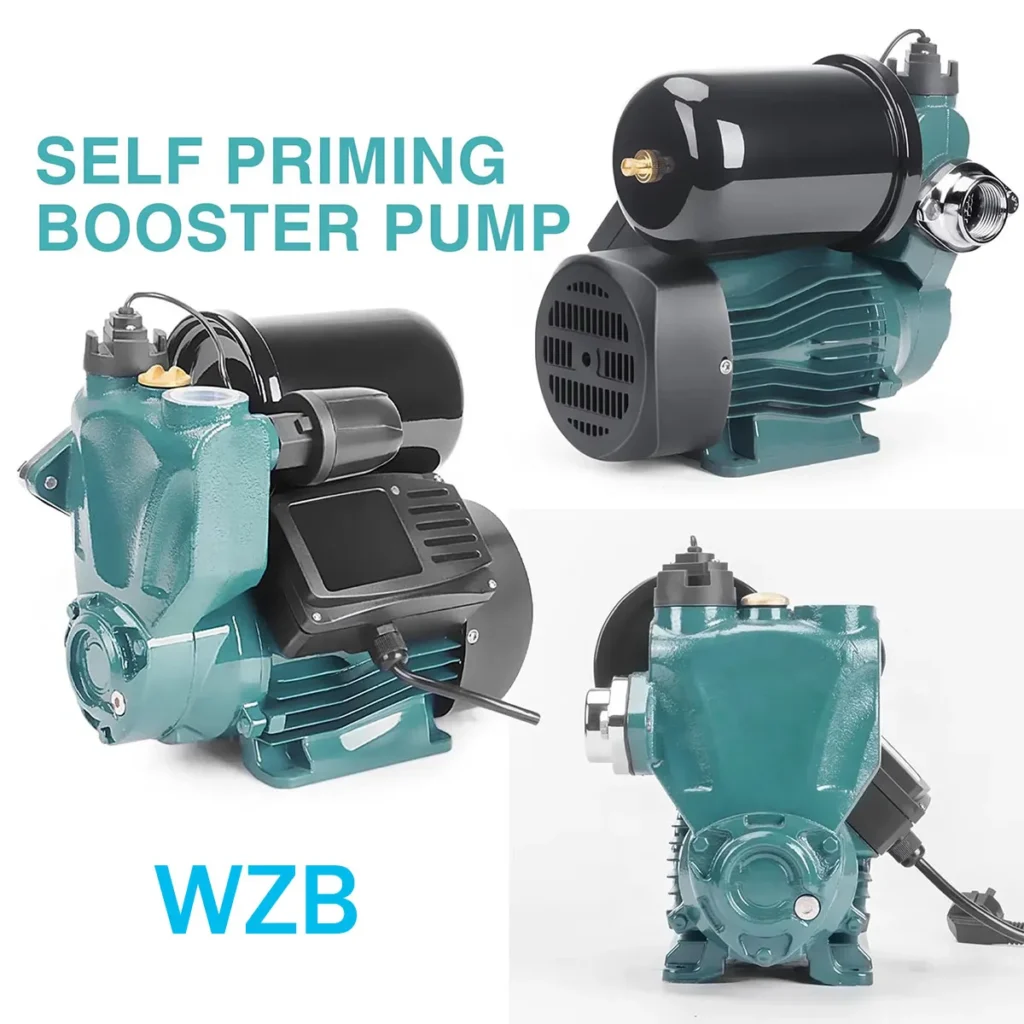
Where grid power is stable and affordable, electric pumps can be competitive. The China 80m-head case shows PV water-lifting cost = 21% of grid electricity cost over 25 years. However, in areas with unreliable grids or high agricultural tariffs, solar wins decisively.
3.5 Cost Comparison Summary
| Pump Type | Initial Cost (USD) | 25yr Unit Water Cost (USD/ton) | Best Scenario |
|---|---|---|---|
| Solar Submersible | 4,800 | 0.0267 | Deep wells, high sunlight, remote |
| Solar Surface/Land | 4,500–5,500 | 0.028–0.035 | Shallow sources, high sunlight |
| Diesel Pump | 1,571 | 0.147 | Low sunlight, short-term, backup |
| Gasoline Pump | 1,200–2,000 | 0.120–0.180 | Portable, emergency, low usage |
| Grid Electric Pump | 2,000–3,500 | 0.040–0.060 | Stable grid, low tariff |
This irrigation pump operating cost comparison is the foundation of any honest solar pump lifecycle cost analysis. A responsible Solar Water Pump Irrigation manufacturer【MFG×12】 publishes these numbers openly.
4. Quantitative Break-Even Calculation & Stop-Paying-Off Timeline

4.1 Universal Payback Formula
Payback Period (years) =
  (Capex_solar − Capex_conventional)
  ÷ (Annual_O&M_conventional − Annual_O&M_solar
     + Annual_Fuel/Energy_conventional)
Use this formula to calculate your own solar pump payback period. Below are three real-world scenarios validated by field data.
4.2 Scenario A: Small Family Farm (2 HP, 0.3 L/h diesel baseline)
Morocco case: 2 HP pump, 330 hours/year irrigation. Diesel cost ≈ USD 800/acre/year + maintenance USD 300. Solar system USD 15,000 for 5–8 acres. Payback: 2–3 years. Solar pump break even years: 2–3.
4.3 Scenario B: Medium Orchard (5.12 kW, 60m head, 75 tons/day)
Turkey Konya case: Solar capex USD 4,800 vs Diesel capex USD 1,571. Annual savings USD 3,777. Payback: 0.85 years (≈10 months). Over 25 years, solar saves USD 82,100 vs diesel. This is a textbook solar pump payback period calculator outcome.
4.4 Scenario C: Large High-Head Project (80m head, 10 m³/h flow)
India Maharashtra case via USTB: Equipment investment USD 84,000 (RMB 840k equiv.). Over 25 years, water-lifting cost = 13% of diesel, 21% of grid electricity. Payback: 2 years.
4.5 When Does Solar Pump STOP Being Profitable?
This is the core question behind “when does solar water pump irrigation stop paying off?” Based on our analysis as a Solar Water Pump Irrigation manufacturer【MFG×13】:
- Years 0–2: Heavy upfront investment, no profit yet
- Years 2–8: Break-even reached, profit accelerates
- Years 8–15: Peak profitability. Panel degradation ~5–10%, still vastly cheaper than diesel
- Years 15–20: Panel output at 85–90% of original. Pump may need first major overhaul. Profit margin begins shrinking
- Years 20–25: Panel at 80% output, pump approaching end-of-life. This is where solar irrigation pump profit loss timeline becomes critical
- Year 25+: Without panel replacement, the system may cross the stop-paying-off threshold if diesel prices remain low. However, replacing panels at year 20–22 resets the profit clock for another 20+ years
4.6 Sensitivity Variables
Your how many years solar pump stop profitable answer depends on:
- Diesel price: Every $0.10/L increase accelerates solar break-even by 6–12 months
- Sunlight (kWh/m²/day): Below 4 kWh/m²/day, payback extends beyond 5 years
- Panel degradation rate: 0.25%/yr (premium N-type) vs 0.55%/yr (standard P-type) → 7% power difference at year 25
- O&M discipline: Poor maintenance can shift stop-paying-off threshold forward by 5–7 years
5. Key Factors That Make Solar Pump Irrigation Stop Paying Off

Understanding why solar pump lose profitability helps you extend the profit window. As a Solar Water Pump Irrigation manufacturer【MFG×14】, we categorize these factors into four groups:
5.1 Hardware Factors
- PV panel degradation: The dominant factor. Premium panels retain 92% at year 25; standard panels only 85%. This directly answers what affects solar submersible pump ROI most
- Submersible pump seal aging: Seals harden, water ingress risk rises after year 8–10
- Surface pump impeller wear: Abrasive water (sand, silt) accelerates wear 3–5×
- Controller failure: MPPT controllers typically last 10–12 years; replacement cost USD 300–800
- Non-standard parts: Proprietary components raise solar submersible pump high maintenance cost
5.2 Environmental Factors
- Low sunlight areas: In regions with <4 kWh/m²/day, low sunlight area solar pump efficiency drops sharply, extending payback beyond the profitable window
- High dynamic head: Pumping from 80m+ wells reduces effective flow, increasing per-ton cost
- Water quality: High sediment, salinity, or acidity corrodes pumps faster
- Temperature extremes: Panel efficiency drops 0.3–0.5% per °C above 25°C cell temperature
5.3 Human & Operational Factors
- Zero-maintenance assumption: Panels need cleaning every 3–6 months; neglect reduces output 15–25%
- Mis-sizing: Over-sized pumps waste PV energy; under-sized pumps fail to meet irrigation demand
- Overloading: Running pumps beyond rated TDH accelerates motor burnout
- Poor installation: Wrong tilt angle, shadowing, loose connections all erode ROI
5.4 Market & Policy Factors
- Subsidy withdrawal: Nepal case showed a 62.4% subsidy threshold was critical for widespread adoption
- Fuel price volatility: Diesel at $0.50/L vs $1.20/L changes payback by 2–3 years
- Electricity tariff changes: Grid price increases make solar more attractive
- Service cost inflation: Labor and spare parts rising faster than expected
6. Scenario-Based Verdict: Which Pump Is Profitable In Different Cases
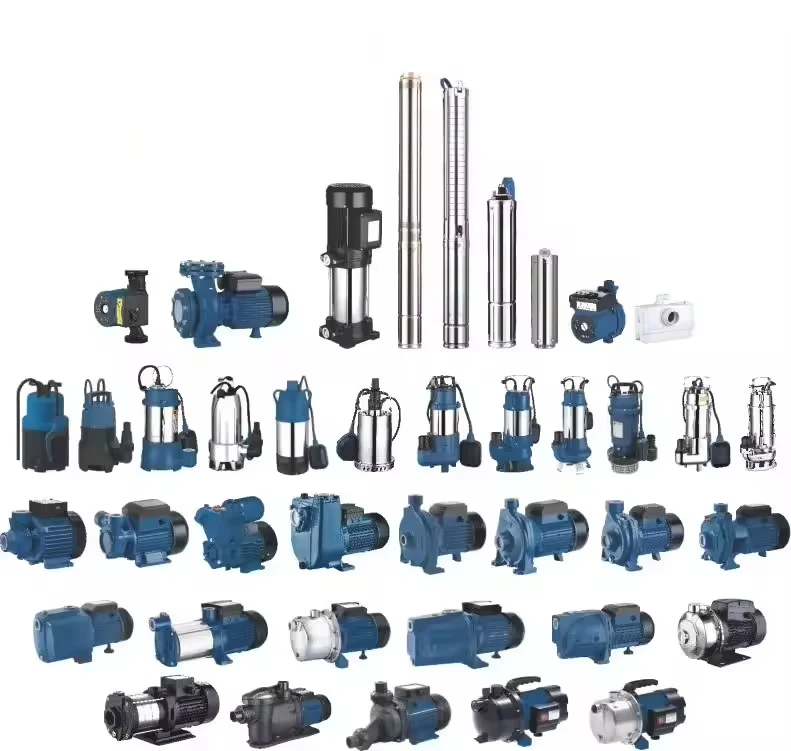
A senior Solar Water Pump Irrigation manufacturer【MFG×15】 never gives a one-size-fits-all answer. Here is the definitive selection matrix:
6.1 High Sunlight & Long-Term Irrigation → Solar Submersible or Solar Surface Pump
When annual irradiation > 5 kWh/m²/day and irrigation need > 10 years:
- Deep well (>20m): Solar submersible pump — optimal ROI
- Shallow source (<8m): Solar surface land pump — easiest maintenance
- Profit window: Years 2–25+, with panel replacement extending to 40+ years
6.2 Low Sunlight & Short-Cycle Irrigation → Diesel or Gasoline Pump
When annual irradiation < 4 kWh/m²/day and irrigation need < 5 years:
- Diesel pump wins on pure cost
- Solar pump stops paying off quickly in this scenario
- Consider hybrid: solar + diesel backup
6.3 Grid-Covered Stable Area → Traditional Electric Pump
Where grid is reliable and agricultural tariff < $0.10/kWh:
- Electric submersible or surface pump offers best value
- Solar only makes sense with net metering or high tariff
6.4 Remote No-Power Area → Solar Pump (Unbeatable)
No grid, no fuel supply chain:
- Solar submersible pump delivers overwhelming long-term advantage
- China case: 25-year water cost = 13% of diesel equivalent
- This is where best irrigation pump for different scenarios clearly points to solar
| Scenario | Best Choice | Payback | 25yr Profit |
|---|---|---|---|
| High sun, deep well, >15yr | Solar Submersible | 2–3 yrs | Very High |
| High sun, shallow, >15yr | Solar Surface | 2–4 yrs | High |
| Low sun, <5yr need | Diesel Pump | N/A | Moderate |
| Stable grid, cheap tariff | Electric Pump | 1–2 yrs | Medium |
| Remote, no grid | Solar Submersible | <1 yr | Extreme |
7. Optimization Tips to Extend Solar Pump Profit Lifespan
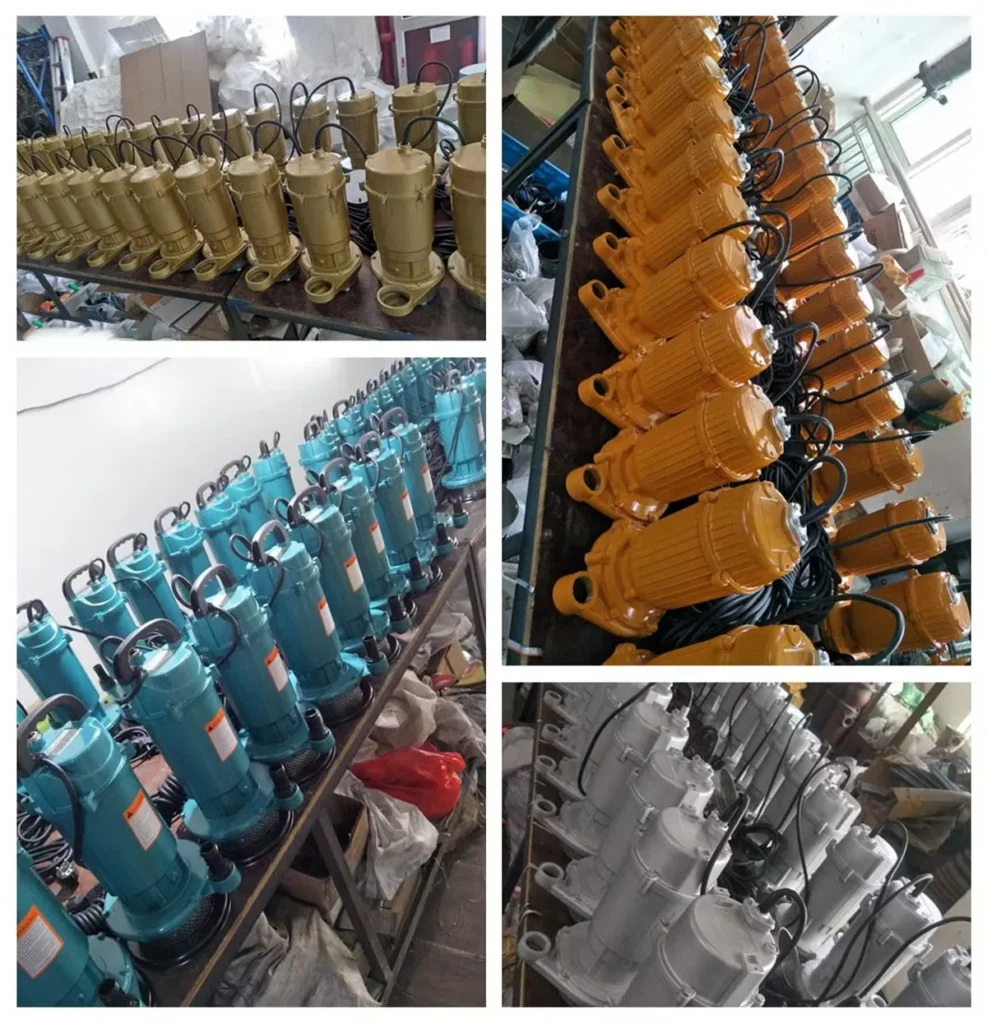
To maximize improve solar irrigation pump ROI and delay the stop-paying-off threshold, a knowledgeable Solar Water Pump Irrigation manufacturer【MFG×16】 recommends:
7.1 Hardware Optimization
- Select premium N-type panels: 0.25%/yr degradation vs 0.55% → 7% more power at year 25
- Right-size the pump: Match TDH precisely; oversizing wastes 15–30% PV energy
- Stainless steel submersible pumps: 2–3× longer life in corrosive water
- Plan panel replacement at year 18–20: Reset profit clock for another 20+ years
7.2 Operational Optimization
- Clean panels every 3 months: Restores 5–15% lost output
- Schedule irrigation during peak sun (10am–2pm): Maximizes PV efficiency
- Water storage instead of battery storage: Eliminates expensive battery replacement
- Seasonal maintenance: Pre-season inspection prevents mid-season failures
7.3 Hybrid System Design
For extend solar pump service life in marginal sunlight areas, combine solar + diesel in a hybrid configuration:
- Solar handles base load during sunny hours
- Diesel supplements during cloudy periods
- Result: 60–70% fuel savings vs pure diesel, while avoiding solar’s stop-paying-off risk
8. Conclusion & Expert Summary
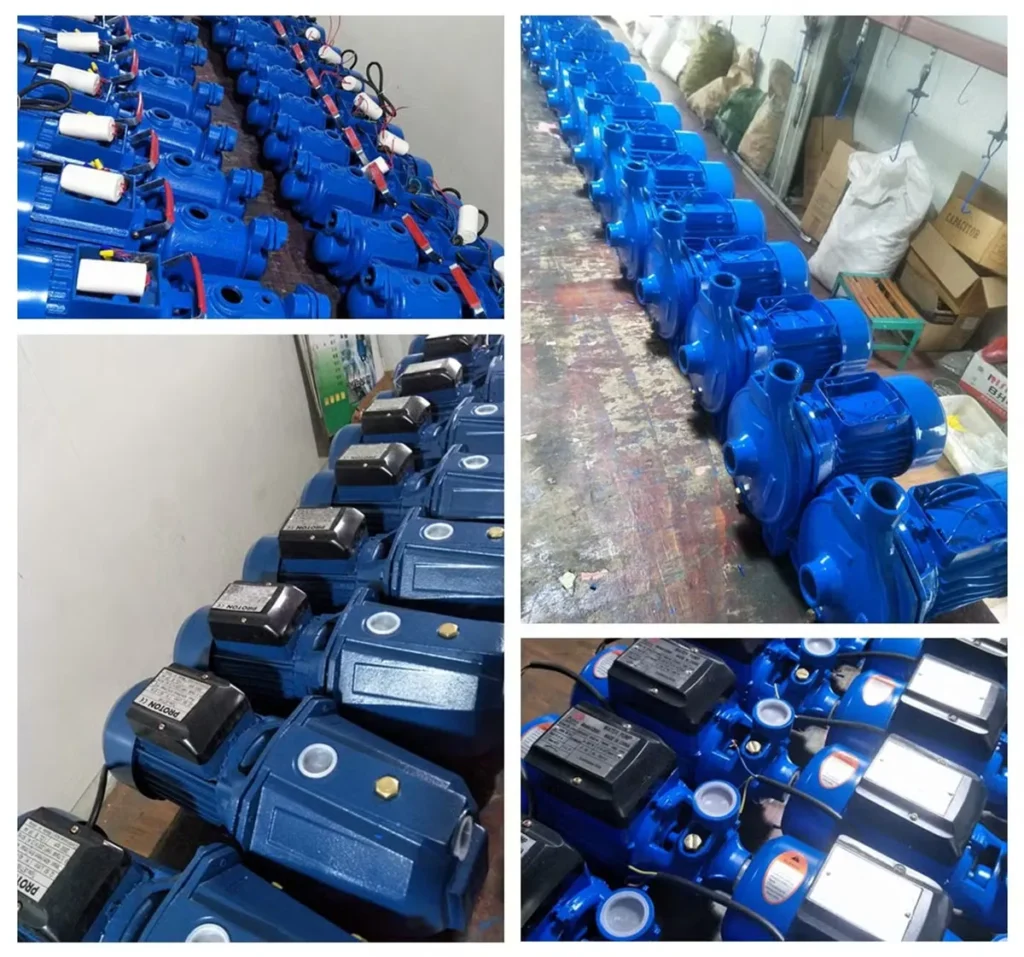
As a leading Solar Water Pump Irrigation manufacturer【MFG×17】, Jingong Tech concludes:
Solar water pump irrigation does NOT pay off forever—but it pays off extraordinarily well for 15–25 years in the right conditions. The stop-paying-off threshold typically arrives at year 20–25 due to PV degradation and pump aging. However, with proper panel replacement at year 20, the profit window extends to 40+ years.
Key takeaways for every irrigation buyer:
- In high-sunlight regions, solar submersible pumps achieve break-even in 2–3 years and deliver 80%+ cost savings vs diesel over 25 years
- In low-sunlight or short-term scenarios, diesel or gasoline pumps remain more economical
- Panel degradation (0.25–0.55%/yr) is the #1 factor determining when solar stops paying off
- A reputable Solar Water Pump Irrigation manufacturer【MFG×18】 will always provide transparent lifecycle cost data, not just optimistic marketing
Choose your pump based on sunlight, water source depth, irrigation duration, and fuel/electricity prices. When in doubt, consult with a Solar Water Pump Irrigation manufacturer who can model your exact scenario.
9. FAQ: Solar Water Pump Irrigation Break-Even
Q1: How many years does a solar water pump break even?
A: Typically 2–8 years, depending on sunlight, diesel/electricity price, and system sizing. In optimal conditions (high sunlight, high fuel cost), payback can be under 1 year. The Turkey orchard case achieved payback in just 10 months.
Q2: Do solar irrigation pumps lose profitability over time?
A: Yes. Due to PV degradation (0.25–0.55%/year) and pump component aging, solar pumps gradually lose their cost advantage. The stop-paying-off threshold typically arrives at year 20–25. Replacing panels at year 20 resets the profit window.
Q3: Is solar pump better than diesel pump for long-term irrigation?
A: In high-sunlight areas with irrigation needs >10 years, solar is overwhelmingly better. The Turkey case showed solar was 81.8% cheaper per ton of water over 25 years. In low-sunlight or short-term scenarios, diesel wins.
Q4: What affects solar submersible pump ROI most?
A: PV panel degradation rate is the single biggest factor. Premium N-type panels (0.25%/yr) retain 92% power at year 25; standard P-type panels (0.55%/yr) retain only 85%. This 7% difference compounds massively over 25 years.
Q5: Can I extend my solar pump’s profit lifespan?
A: Yes. Clean panels quarterly, replace panels at year 18–20, use stainless steel pumps in corrosive water, and consider a solar-diesel hybrid for low-sunlight regions. These measures can extend solar pump service life well beyond 25 years.
10. Talk to a Professional Solar Water Pump Irrigation Manufacturer
Jingong Tech is a Solar Water Pump Irrigation manufacturer【MFG×19】 specializing in solar submersible pumps, solar surface land pumps, gasoline pumps, and diesel pumps. With 10+ years of field data across 30+ countries, we provide:
- ✅ Custom solar pump ROI calculation for your exact location
- ✅ Transparent lifecycle cost breakdowns
- ✅ Hybrid solar-diesel system design
- ✅ 25-year performance warranty on premium panel configurations
Contact Jingong Tech today for a free break-even analysis of your irrigation project. As your dedicated Solar Water Pump Irrigation manufacturer【MFG×20】, we ensure your solar investment pays off for decades—not just years.
Get Your Free Solar Pump Break-Even Analysis
📧 Email: [email protected]
🌐 Website: www.jgpowertech.com
📱 WhatsApp: +86 15888920959

0 Comments