Solar Pump Water Quality Requirements: The Complete Professional Guide from a Trusted Solar Water Pump Manufacturer
As a leading Solar Pump Water manufacturer, Jingong Technology has delivered solar pumping solutions to farms, orchards, deep-well projects, and off-grid communities across Africa, Southeast Asia, and the Middle East for over a decade. One question consistently determines whether a solar pump lasts 2 years or 15 years: what is the water quality? This comprehensive guide — written from the field experience of a senior Solar Water Pump manufacturer — breaks down every critical parameter, per-pump-type standard, risk, and protection solution you need to know.
🎯 Why This Guide Matters: A professional Solar Water Pump manufacturer knows that water quality — not solar panel capacity — is the #1 cause of premature pump failure in agricultural and off-grid applications. This page is engineered to help farm owners, irrigation engineers, and B2B distributors make the right pump selection decision based on solar pump water quality requirements and real-world field data.
1. Introduction: Why Water Quality Defines Solar Pump Performance
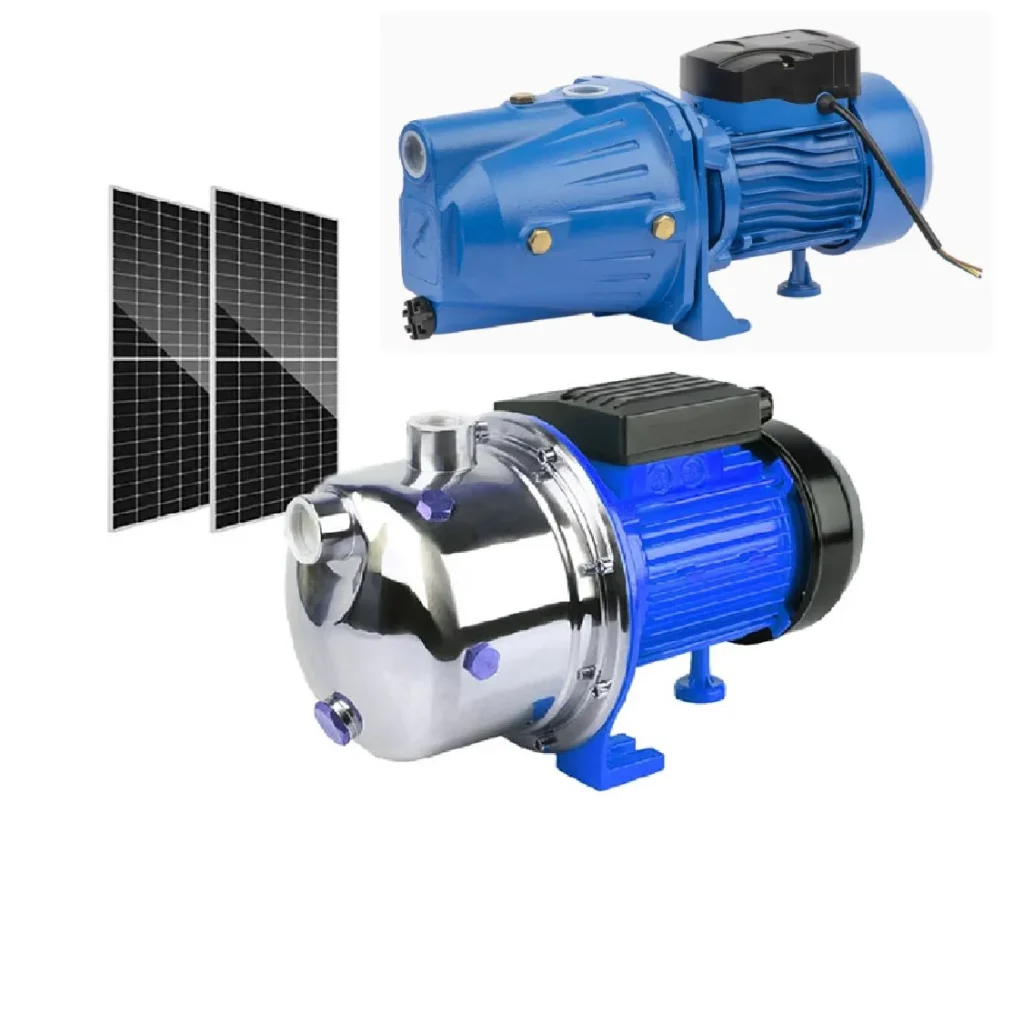
Solar-powered pumping systems serve a vast range of global scenarios — farmland irrigation, deep-well water extraction, livestock watering, and clean water supply for remote off-grid regions. As an experienced Solar Water Pump manufacturer, we have seen firsthand how water composition directly impacts pump service life, working efficiency, and failure rates. Understanding the solar irrigation pump water standard is essential for every project.
Poor water quality silently destroys pumps from the inside out. Sand particles wear impellers down to nothing. High salinity corrodes stainless steel housings within months. Acidic water degrades rubber seals and electrical insulation. This is why every reputable Solar Water Pump manufacturer places water quality assessment at the very beginning of any project consultation, evaluating the water quality impact on solar pump service life before recommending any hardware.
1.1 Jingong’s Five-Product Water Quality Matrix
Being a comprehensive Solar Water Pump manufacturer and factory, Jingong produces five major pump categories, each with distinct water quality tolerances for different agricultural solar pump usage conditions and off-grid solar pump water requirement scenarios:
| Pump Category | Typical Application Water | Water Quality Tolerance |
|---|---|---|
| Solar Submersible Pump | Deep well, borehole, clean groundwater | Highest — designed for continuous submerged operation |
| Solar Surface Pump | Rivers, lakes, ponds, shallow surface water | Moderate — requires pre-filtration for turbid water |
| Booster Pump | Clean municipal water, domestic pressure boosting | Very High — requires sediment-free clean water |
| Standard Submersible Pump | Clean wells, industrial water lifting | High — similar to solar submersible but grid-powered |
| Diesel / Gasoline Surface Pump | Dirty water, flood irrigation, construction dewatering | Widest — built for muddy, high-sediment water |
When you choose Jingong as your Solar Water Pump manufacturer, you gain access to all five product lines under one roof — enabling us to recommend the optimal pump type for your exact solar water pump application water condition rather than forcing a one-size-fits-all solution.
2. Core Water Quality Parameters for Solar Pumps

This section represents the technical core of what every professional Solar Water Pump manufacturer must communicate to buyers. Based on industry engineering references and Jingong’s field data, here are the six critical parameters:
2.1 Sediment & Sand Content (Solar Pump Sediment Tolerance)
Sand is the enemy of every Solar Water Pump manufacturer‘s product. Industry engineering standards reference a sand content threshold of less than 1/200,000 (by volume) for equipment requiring long-term reliability. For agricultural solar pump applications, the maximum sand content for solar submersible pump should ideally stay below 0.01% by mass.
⚠️ Critical Risk: Exceeding sand thresholds causes:
- Impeller wear and reduced flow rate (sediment wear on solar irrigation pump)
- Pump body blockage increasing PV system load
- Mechanical seal failure leading to motor burnout
Solar Water Pump manufacturer’s recommendation: For high-sand wells, a solar submersible pump should be installed at least 3 meters above the well bottom, and a foam-plastic pre-filter should always be mounted before the pump intake — a practice validated by solar pump operation manuals worldwide.
2.2 Water Turbidity (Turbidity Limit for Solar Surface Pump)
Turbidity measures how cloudy water is due to suspended particles. Engineering standards for water-using equipment suggest a turbidity limit of ≤20 NTU for optimal performance. For solar surface pumps drawing from rivers, lakes, or ponds, the turbidity limit for solar surface pump continuous operation should remain under 50 NTU.
| Pump Type | Optimal Turbidity | Maximum Tolerance |
|---|---|---|
| Solar Submersible Pump | ≤ 10 NTU | ≤ 20 NTU |
| Solar Surface Pump | ≤ 30 NTU | ≤ 50 NTU |
| Booster Pump | ≤ 5 NTU | ≤ 10 NTU |
| Diesel/Gasoline Surface Pump | ≤ 100 NTU | ≤ 500 NTU |
2.3 pH Value (Solar Pump PH Value Requirement)
The solar pump PH value requirement is strictly 6.5 – 8.5. This range protects both stainless steel components and polymer/rubber seals. Acidic water (pH < 6.5) accelerates corrosion of metal parts; alkaline water (pH > 8.5) causes mineral scaling on impellers and reduces efficiency.
A seasoned Solar Water Pump manufacturer always specifies pH compatibility in product documentation. Jingong’s solar submersible pumps are rated for the full 6.5–8.5 pH range, with optional anti-corrosion materials available for borderline conditions.
2.4 Salinity & TDS (Solar Pump TDS Water Standard)
| Water Class | TDS Range | Pump Compatibility |
|---|---|---|
| Fresh Water | < 1,000 mg/L | All Jingong solar pumps — standard materials |
| Brackish Water | 1,000 – 5,000 mg/L | 304/316 stainless steel solar submersible pumps |
| High Salinity | 5,000 – 35,000 mg/L | Special anti-corrosion models only — consult your Solar Pump Water manufacturer |
| Sea Water | > 35,000 mg/L | Not recommended for standard solar pumps — titanium or specialized seawater pumps required |
The salinity tolerance of solar irrigation pump systems depends entirely on material grade. Chloride ions should be kept below 100–400 mg/L. When your Solar Pump Water manufacturer evaluates a high-TDS project, material upgrade is non-negotiable to prevent high TDS water damage to water pump components.
2.5 Corrosive Substances (Corrosive Water Impact on Solar Water Pump)
Hydrogen sulfide must be below 0.5 mg/L; iron ions below 1.0 mg/L; free ammonia-nitrogen below 10 mg/L. Chemical-laden water — including livestock wastewater and industrial runoff — should never be pumped by standard solar pumps. The corrosive water impact on solar water pump systems can cause irreversible damage. A responsible Solar Water Pump manufacturer will always flag this hazard during project consultation.
2.6 Suspended Solids (Water Suspended Solids Standard for Agricultural Water Pump)
Suspended solid particles larger than 0.1 mm present a blockage risk to intake screens, while fine particles < 0.01% by mass are generally acceptable. The water suspended solids standard for agricultural water pump applications is a key differentiator between a premium Solar Water Pump manufacturer and a budget supplier — pump intake design and screening technology make all the difference.
3. Water Quality Requirements by Pump Type
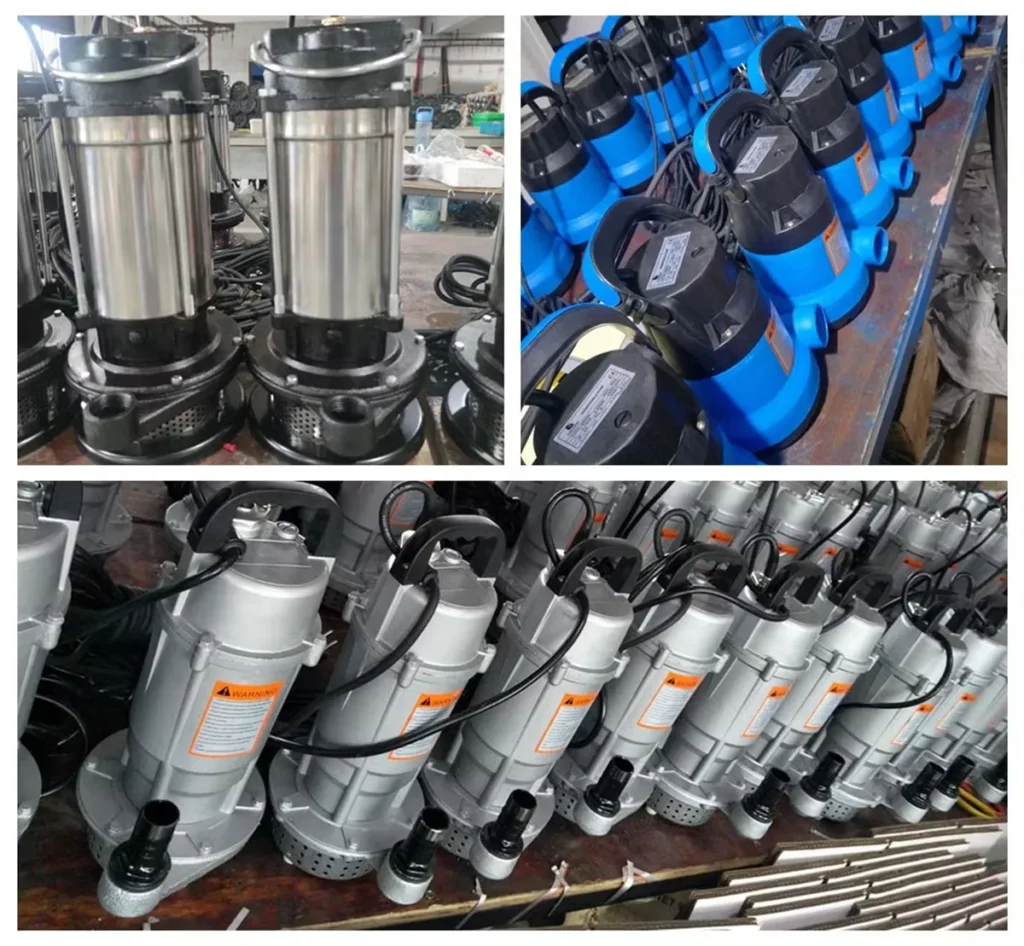
As a full-spectrum Solar Water Pump manufacturer, Jingong designs each pump category with specific water quality envelopes. Understanding these differences helps you select the right machine and optimizes your submersible pump vs surface pump water standard evaluation.
3.1 Solar Submersible Pump — Deep-Well Specialist (Solar Submersible Pump Water Quality Requirements)
The solar submersible pump operates entirely underwater, meaning its solar submersible pump water quality requirements are the most stringent. This also defines the agricultural submersible pump irrigation water standard for deep-well farming:
- Sand content: Maximum 0.01% by mass (1/200,000 volumetric) — the strictest maximum sand content for solar submersible pump guideline.
- pH: 6.5 – 8.5
- Chloride: ≤ 400 mg/L (standard); ≤ 100 mg/L (long-life specification)
- H₂S: ≤ 1.5 mg/L
- Turbidity: ≤ 20 NTU
Every top-tier Solar Water Pump manufacturer will tell you: in new wells, always wait until the water clears of airborne particles before commissioning the pump. Jingong includes a foam-poly pre-filter with every solar submersible unit for exactly this reason.
3.2 Solar Surface Pump — Open Water Specialist (Solar Surface Pump Water Condition)
The solar surface pump draws from rivers, lakes, ponds, and reservoirs. Its solar surface pump water condition is more forgiving:
- Suspended solids: Up to 0.05% by mass acceptable with screen filter
- pH: 6.0 – 9.0 (wider range than submersible)
- Turbidity: ≤ 50 NTU for continuous operation
- Debris: Leaf, algae, and organic matter manageable with intake basket
3.3 Standard Submersible Pump vs. Solar Submersible Pump (Submersible Pump vs Surface Pump Water Standard)
The water quality standards for our standard submersible pump closely mirror those of the solar submersible pump, since both operate fully submerged. The primary difference lies in power source reliability — when grid power is unstable, choosing a Solar Water Pump manufacturer like Jingong for solar-powered units ensures uninterrupted operation even in off-grid regions.
3.4 Diesel / Gasoline Surface Pump — The Heavy-Duty Option (Solar Pump vs Diesel Pump Water Tolerance)
When water quality is extremely poor — high mud, heavy debris, flood irrigation — the gasoline/diesel water pump becomes the practical choice. As your Solar Water Pump manufacturer, we often recommend a hybrid strategy: solar pumps for clean daily irrigation, diesel pumps for seasonal high-sediment conditions. This is the solar pump vs diesel pump water tolerance reality every farm manager should understand. The gasoline water pump dirty water tolerance far exceeds that of solar units, making it ideal for emergency dewatering.
4. Bad Water Quality Risks & Consequences
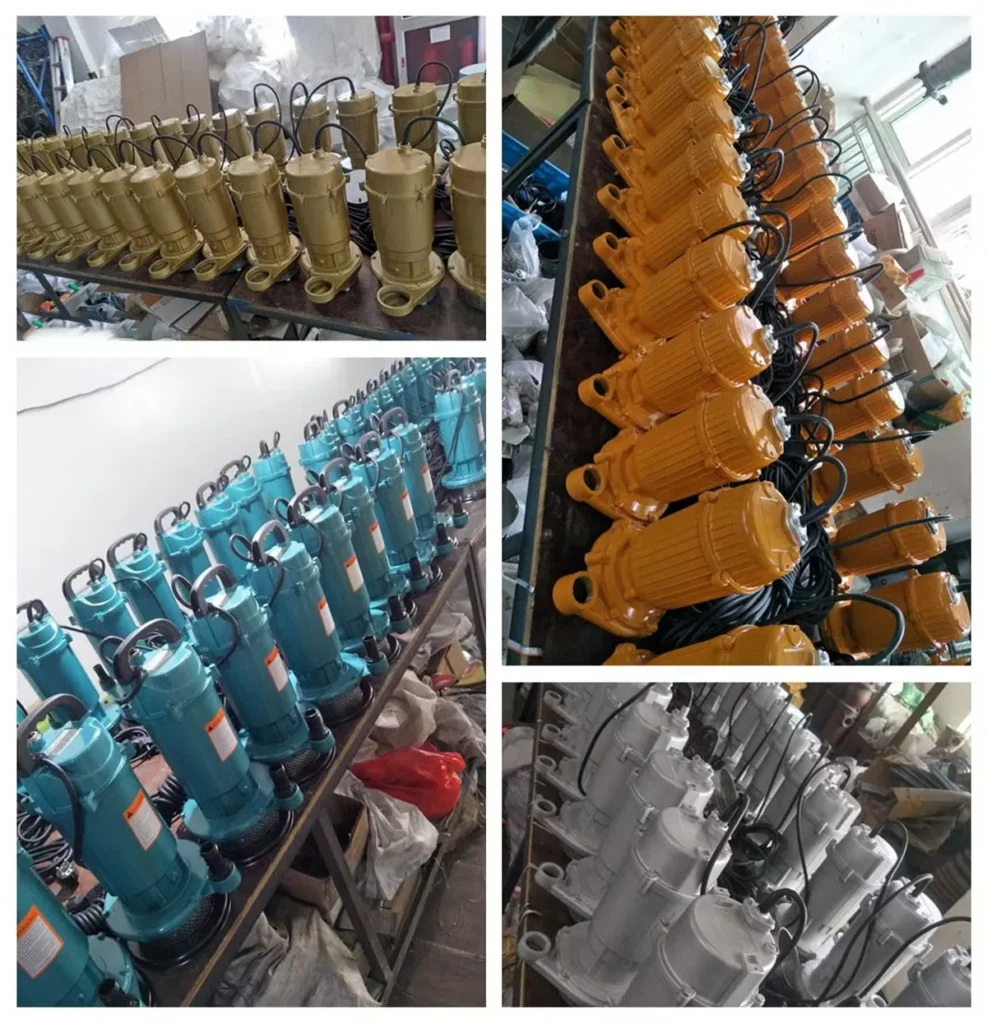
A credible Solar Water Pump manufacturer doesn’t just sell pumps — we educate customers about failure modes. Here’s what happens if solar pump uses dirty water, answering the critical question: why do solar pumps clog frequently?
💥 The 4 Failure Cascades Every Solar Pump Water Manufacturer Warns About:
① Sand Overload: Impeller wear → pump body blockage → reduced flow → PV system overload → motor burnout. Sediment wear on solar irrigation pumps is the #1 service issue reported to any Solar Water Pump manufacturer.
② Acid/Alkali Corrosion: Housing corrosion → motor insulation damage → water leakage and electrical risk → service life cut in half. Water corrosion damage to solar pump components is irreversible and a leading cause of solar pump failure causes in poor water quality.
③ High Impurity Load: Pipe blockage → frequent shutdowns → escalating maintenance cost → declining irrigation efficiency.
④ Long-Term Poor Water Quality Operation: Recurring failures → motor burnout → complete unit scrap → project shutdown losses. High TDS water damage to water pump systems compounds over time.
These consequences are precisely why a responsible Solar Water Pump manufacturer invests heavily in customer education. The answer to “why do solar pumps clog frequently?” almost always traces back to unmanaged water quality at the intake.
5. Water Quality Improvement & Pump Protection Solutions
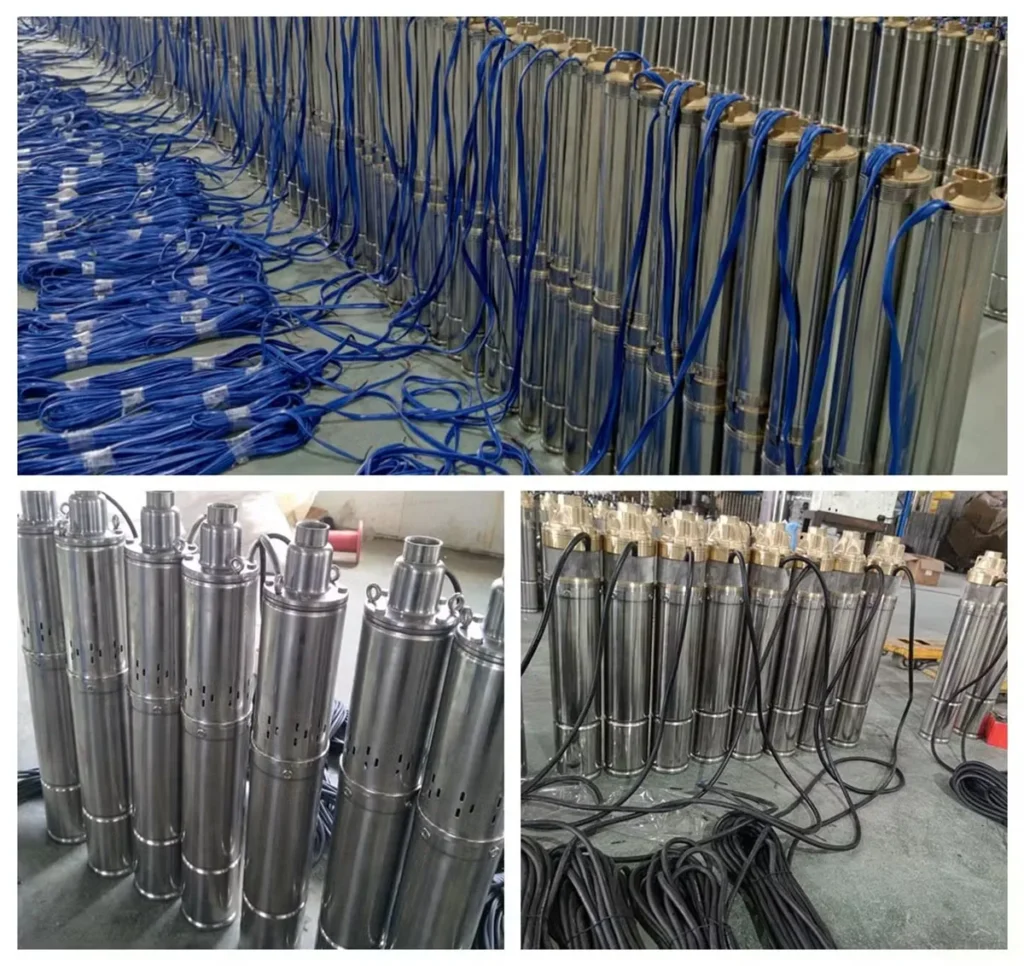
Beyond manufacturing, a true Solar Water Pump manufacturer provides end-to-end solutions. Here’s the Jingong methodology on how to protect solar pump from dirty water:
5.1 Front-End Filtration Solutions (Solar Pump Filtration System for Irrigation)
| Filtration Method | Target Issue | Compatible Pump Type |
|---|---|---|
| Foam-poly pre-filter | Fine sand, particles > 0.1mm | Solar & standard submersible pumps |
| Settling tank / sedimentation basin | Heavy sediment, turbidity reduction | All pump types |
| Self-cleaning screen filter | Organic debris, algae, leaves | Solar & diesel surface pumps |
| Centrifugal sand separator | High sand content (1/20,000+) | Large-scale solar pumping stations |
An effective irrigation water filter for water pump systems is the first line of defense. Consulting with a professional Solar Water Pump manufacturer ensures correct matching of filtration to your specific water condition.
5.2 Pump Selection by Water Quality (Best Solar Pump for Muddy Water)
- Muddy water (turbidity > 50 NTU): Best solar pump for muddy water = Solar Surface Pump with self-cleaning filter, OR Diesel Water Pump for extreme conditions.
- Clean groundwater (TDS < 1,000 mg/L): Best solar pump = Solar Submersible Pump — maximum efficiency.
- Brackish water (TDS 1,000–5,000 mg/L): Anti-corrosion water pump for saline water = 316 stainless steel solar submersible pump.
- Saline water (TDS > 5,000 mg/L): Specialized anti-corrosion model — consult Jingong engineering team.
5.3 Routine Maintenance Protocol (Solar Pump Maintenance for Poor Water Quality)
Every Solar Water Pump manufacturer recommends strict solar pump maintenance for poor water quality conditions:
- Quarterly water quality testing (pH, TDS, sand content)
- Bi-annual intake screen cleaning
- Annual motor insulation resistance check
- Immediate replacement of worn mechanical seals
6. International Industry Water Quality Compliance Standards
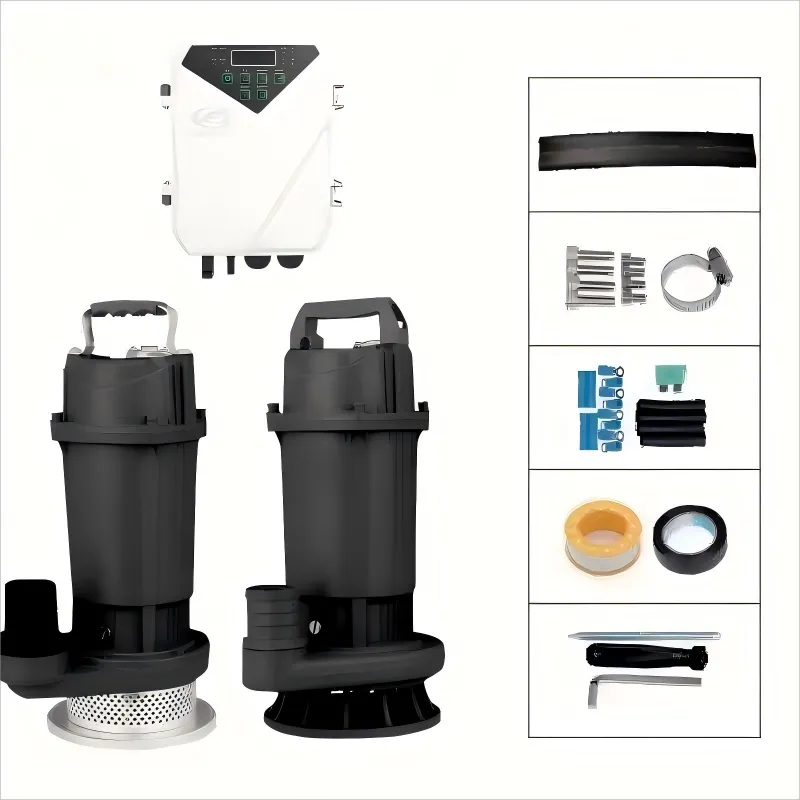
A globally operating Solar Water Pump manufacturer must align with international references. Key solar pump water quality ISO standard and agricultural irrigation water pump industry standard alignments include:
| Standard / Reference | Relevance to Solar Pump Water Quality |
|---|---|
| ISO 16075 Series — Guidelines for treated wastewater use in irrigation | Defines safe parameters for irrigation water, directly informing pump selection for agricultural solar pump water requirements |
| ISO 5667 Series — Water sampling standards | Provides methodology for accurate water quality measurement before pump installation |
| ISO 20236:2024 — TOC & TN determination in water | Latest international standard for organic contamination assessment affecting pump corrosion |
Regional variations matter greatly for any Solar Water Pump manufacturer serving global markets. Understanding solar pump water requirement for Africa farm projects (high turbidity, high TDS) versus solar irrigation pump standard for Southeast Asia (high organic content, variable pH) is critical for correct pump specification.
7. Frequently Asked Questions
Q1: Can solar pumps work with muddy water? (Can solar pump run in turbid water / Are solar pumps good for muddy water)
Yes — but only with proper pre-filtration. A Solar Pump Water manufacturer like Jingong recommends using a solar surface pump with a self-cleaning screen filter for turbidity up to 50 NTU. For heavier mud, a diesel water pump may be more appropriate. Never run a solar submersible pump in water exceeding 0.01% sand content without filtration.
Q2: What is the maximum sediment level for solar submersible pumps?
Industry engineering standards recommend a maximum volume ratio of 1/200,000 (approx. 0.0005%) and a mass ratio of 0.01%. Exceeding this limit accelerates impeller wear. A professional Solar Pump Water manufacturer will always request a water quality report before commissioning a solar submersible pump in a new well.
Q3: Can solar pumps use salt water? (Salt water resistant solar pump)
Standard solar pumps are not designed for seawater (TDS > 35,000 mg/L). Brackish water (TDS 1,000–5,000 mg/L) can be handled by 316 stainless steel solar submersible pumps. For high salinity applications, consult your Solar Pump Water manufacturer for specialized anti-corrosion materials.
Q4: Do surface solar pumps need cleaner water than submersible pumps?
Not necessarily. Solar surface pumps typically draw from open sources and are designed to tolerate higher turbidity and suspended solids. Conversely, solar submersible pumps have stricter sand content requirements. A professional Solar Pump Water manufacturer will recommend the right pump based on your specific water source type.
Q5: How to choose solar pump for farm irrigation with poor water quality? (Best solar pump for farm irrigation)
First, conduct a water test (pH, TDS, turbidity, sand content). Then consult a Solar Pump Water manufacturer. For turbid surface water, choose a solar surface pump with a self-cleaning filter. For deep well clean water, choose a solar submersible pump. For extreme sediment, choose a diesel water pump. Jingong provides free engineering selection services for all farm irrigation projects.
8. Conclusion & Product Recommendation
Water quality standards are the foundation of successful solar pump operation. As your Solar Water Pump manufacturer, Jingong Technology is committed to providing the optimal solution for every water condition. Whether you need efficient extraction from clean groundwater or reliable irrigation from turbid surface water, we have the right pump for your project.
| Water Scenario | Recommended Product | Key Advantage |
|---|---|---|
| Clean groundwater / Deep well | Solar Submersible Pump (Stainless Steel Series) | High efficiency, maintenance-free, long life |
| Turbid surface water / River / Pond | Solar Surface Pump + Self-Cleaning Filter | High turbidity tolerance, easy maintenance |
| Brackish water / Saline soil | 316SS Anti-Corrosion Solar Submersible Pump | Salt-resistant, anti-chloride |
| Extreme sediment / Flood irrigation | Diesel / Gasoline Surface Pump | Maximum debris tolerance, instant start |
Jingong Technology is not just a Solar Water Pump manufacturer — we are your full-service partner for custom OEM/ODM solutions, engineering support, and global logistics. As a professional solar irrigation pump manufacturer, we offer wholesale solar submersible pump and diesel water pump for farm irrigation to distributors and project contractors worldwide.
🚀 Get Your Free Water Quality Selection Plan Today
As a professional Solar Pump Water manufacturer, Jingong’s engineering team provides free water quality assessment and pump model recommendations for every inquiry. Send your water test report or source water description to [email protected] and receive a tailored solution within 24 hours.
This article was written and is continuously maintained by the editorial team at Jingong Technology — your trusted Solar Pump Water manufacturer.

0 Comments