
1. Submersible Water Pump manufacturer Introduction: Why Bulk Pump QC is Not Retail QC
If you are reading this, you are likely not a homeowner looking for a single pump to drain a basement. You are a Submersible Water Pump manufacturer professional—an engineering contractor, a procurement officer for a municipal project, a distributor building a private label brand, or an equipment trader managing supply chains across borders. At Jingong Technology (Zhejiang Jingong Technology Co., Ltd.), we operate on both sides of the global pump industry. We manufacture over 100,000 units annually, ranging from deep-well submersible pumps to high-pressure booster pumps, rugged land pumps, energy-efficient solar water pumps, and heavy-duty gasoline/diesel engine pumps.
Through 15 years of supporting international B2B buyers, we have observed a critical gap in online resources. Most “how-to” guides treat pump quality control as a simple “turn it on and see if water comes out” affair. This is dangerously inadequate for a bulk order. When you sign a Purchase Order (PO) for 500 submersible pumps destined for a Nigerian borehole project or a Spanish agricultural irrigation network, the stakes are exponentially higher than a retail purchase.
A single defective batch doesn’t just cost the price of the pump; it costs project delays, crane rentals, emergency air freight, and irreparable damage to your reputation.
This guide is engineered to bridge that gap. It is structured around a 13-point inspection framework designed specifically for B2B bulk orders. We will delve into the nuances of hydraulic performance curves, the necessity of batch consistency testing, and the specific adaptations required for different pump types. Our goal is to provide you with a resource so comprehensive that it becomes the standard operating procedure (SOP) for your procurement team.
Who is this guide for?
- Project Contractors: Ensuring dewatering, sewage, or irrigation systems meet spec without mid-project failures.
- Wholesalers & Distributors: Protecting your brand equity by ensuring private-label products meet stringent quality benchmarks.
- Procurement Agents: Providing a defensible, technical basis for factory selection and order release.
- Operations Managers: Reducing Total Cost of Ownership (TCO) through predictive maintenance and quality assurance.
2. Why Pre-Order Quality Test Matters for Bulk Pump Orders

The decision to invest time and resources into pre-shipment inspection (PSI) is often viewed as an overhead expense. However, when analyzed through the lens of risk management, it is the highest ROI activity in the procurement cycle. Here’s why skipping this step is a gamble you cannot afford to take.
2.1 Mitigating Batch Consistency Defects
Unlike retail, where a customer buys one unit, B2B involves hundreds or thousands of units. The core challenge isn’t whether the “Golden Sample” works, but whether every unit in the container matches the Golden Sample. Factories, especially those cutting costs, might switch raw material suppliers mid-order. For instance, substituting a SS304 impeller with a lower-grade alloy or a recycled plastic. Without batch testing, these inconsistencies remain hidden until the pumps are installed across different sites, leading to erratic performance.
2.2 Reducing International Logistics & Repair Costs
Returning goods from the USA to China costs roughly 60-80% of the product’s value. If you discover a fault after the container arrives, your options are limited: expensive local repairs or writing off the inventory. Pre-order testing allows you to reject non-conforming goods at the source. At Jingong, we facilitate third-party inspections (SGS, Intertek, TUV) at our facility in Zhejiang. Identifying a faulty batch in our warehouse saves you thousands in reverse logistics.
2.3 Ensuring Project Continuity
In industrial applications—such as mining dewatering or high-rise building water supply—a pump failure triggers a cascade of failures. A single submersible pump failing in a mine can halt operations, costing tens of thousands of dollars per hour in lost productivity. Quality testing ensures that the Mean Time Between Failures (MTBF) meets your project requirements.
2.4 Filtering Out “Glorified Trading Companies”
The market is flooded with trading companies posing as manufacturers. They often lack the technical expertise to understand why a pump fails. By demanding rigorous test reports and witnessing the testing process, you separate the true factories (like Jingong) from intermediaries who simply source the cheapest available stock. A real factory will have a test bench capable of simulating full-load conditions; a trader will not.
SEO Keywords: This section reinforces terms like bulk pump order quality risk, avoid project failure with pump pre-testing, and batch consistency test for water pump.
3. Submersible Water Pump Pre-Test Preparation & Document Verification
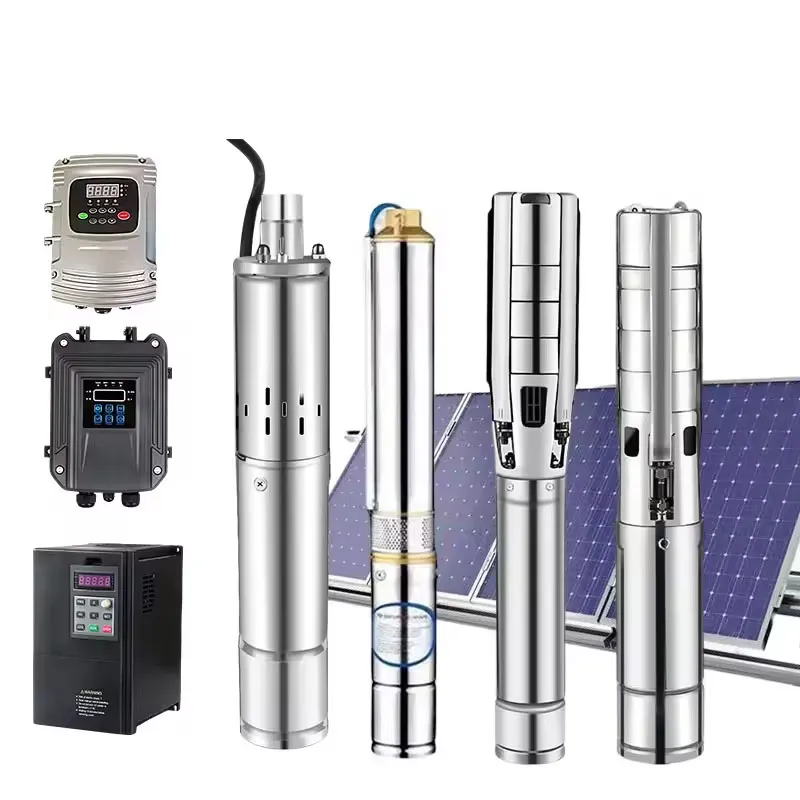
Before any physical testing begins, the paper trail must be established. In the world of international trade, documentation is the first line of defense against fraud and substandard goods. As a manufacturer certified under ISO 9001:2015, Jingong maintains rigorous documentation for every batch. Here is your pre-inspection checklist.
3.1 International Certifications (The Non-Negotiables)
Do not accept a photocopy of a faded certificate. Verify the following:
- ISO 9001: Ensures the factory has a Quality Management System.Submersible Water Pump Check the scope—does it cover “Design and Manufacture” or just “Trading”?
- CE Marking: Mandatory for Europe. Verify the Declaration of Conformity (DoC) references the correct directives (e.g., EN 60034 for motors, EN 60335 for household/commercial pumps).
- IEC Standards: Specifically IEC 60034 for rotating electrical machines. This governs efficiency classes (IE1, IE2, IE3).
- Regional Certifications: Depending on your market, request EAC (Russia/CIS), SASO (Saudi Arabia), SONCAP (Nigeria), or EPA (USA for engines).
3.2 Factory Submersible Water Pump Test Reports (The “Birth Certificate”)
Every pump leaving Jingong’s facility undergoes a “Routine Test.” Request the Submersible Water Pump test report for your specific batch number. It should include:
- No-Load Current: Measured at rated voltage.
- Full-Load Current: Measured at rated head and flow.
- Input Power (kW): To calculate efficiency.
- Insulation Resistance: Typically >100 MΩ.
- Hi-Pot Test Results: Dielectric withstand voltage test.
3.3 Material Traceability
For Submersible Water Pump, corrosion is the enemy. Request Mill Test Certificates (MTCs) for stainless steel components (SS304/316). For the motor windings, ensure the copper purity is documented. For gasoline/diesel pumps, verify the engine block material and the origin of core components like carburetors or fuel injectors.
3.4 IP Rating Verification
Submersible Water Pump must be IP68 rated. The test report should specify the depth (e.g., 5m, 10m, 20m) and duration (usually 24 hours) of the immersion test. Do not assume all “submersible” pumps meet the same standard.
| Document Type | Purpose | Red Flag |
|---|---|---|
| ISO 9001 Certificate | Verifies QMS | Scope excludes manufacturing |
| CE DoC | EU Compliance | References wrong directive |
| Batch Test Report | Performance Proof | Generic, not batch-specific |
| Material Certs | Corrosion Resistance | No traceability to steel mill |
4. Visual & Structural Inspection
Once the paperwork clears, the physical inspection begins. Submersible Water Pump This is where a trained eye catches 80% of potential defects. Even without sophisticated equipment, a thorough visual check can save a bulk order.
4.1 Casting and Surface Finish
Inspect the pump casing (diffuser, volute). Look for:
- Blow Holes/Voids: Air pockets in the casting weaken the structure and become leak points.
- Porosity: Tiny holes on the surface indicating poor metallurgical quality.
- Paint/Rust: Check for uniform powder coating. Rust spots indicate improper storage or low-quality steel. For stainless steel pumps, look for “tea staining” (early corrosion).
4.2 Impeller Dynamics
The Submersible Water Pump impeller is the heart of the pump. Manually rotate the shaft (if accessible). It should spin freely without grinding noises. Visually inspect the impeller vanes for:
- Casting Flash: Excess metal on the edges of the vanes disrupts fluid dynamics, reducing efficiency by up to 10%.
- Balancing Marks: Professional manufacturers grind small amounts of metal from the impeller to balance it. The absence of these marks suggests dynamic balancing was skipped—a major cause of vibration and bearing failure.
4.3 Cable and Connection Integrity
For submersible pumps, the cable is a frequent failure point.
- Cable Gland: Ensure the compression gland is tightened correctly. Loose glands allow water ingress.
- Strain Relief: Check if there is a clamp relieving tension on the internal wiring.
- Cable Jacket: Should be robust (Neoprene or Nitrile). Thin PVC jackets degrade quickly in UV light or oily environments.
4.4 Fasteners and Hardware
Are the bolts stainless steel or zinc-plated carbon steel? In corrosive environments (wells, seawater), carbon steel bolts will rust and seize within months. Check the grade markings on bolt heads (e.g., A2-70 for SS304).
Cross-Category Notes:
- Land Pumps: Check the alignment of the coupling and the flatness of the mounting feet.
- Solar Pumps: Inspect MC4 connectors for proper crimping. Loose connections cause arcing and fires.
- Diesel Pumps: Examine the engine mountings and fuel line clamps.
5. Core Hydraulic Performance Testing

This is the technical core of the inspection. A pump that looks good but performs poorly is useless. Hydraulic testing requires a proper test bench with flow meters, pressure gauges, and power analyzers.
5.1 Understanding the Q-H Curve
Every pump model has a published Flow-Head (Q-H) Curve. This graph shows the relationship between the volume of water moved (Flow, in m³/h or GPM) and the height it is lifted (Head, in meters or feet). Your goal is to verify that the physical pump matches this curve.
5.2 Submersible Water Pump Key Parameters to Measure
- Rated Point Verification: Test the pump at its nominal operating point (e.g., 10 m³/h @ 60m head). The measured values should be within +/- 5% of the published curve.
- Shut-off Head: Block the discharge valve (briefly!) and measure the maximum pressure. It should be 1.15x to 1.25x the rated head.
- Input Power (kW): Measure the electrical power consumed. Calculate efficiency:
Efficiency (%) = (Output Power / Input Power) * 100. Output Power = (Flow * Head * Gravity * Density). - NPSHr (Net Positive Suction Head required): Critical for land pumps to prevent cavitation. While difficult to test in a basic setup, ensure the factory’s test report includes this data.
5.3 The Importance of Efficiency
In commercial applications, electricity costs dwarf the purchase price. A Submersible Water pump with 5% lower efficiency than advertised will waste thousands of dollars in electricity over its lifespan. Use a power quality analyzer to get accurate kW and Power Factor readings.
5.4 Performance Under Variable Conditions
Don’t just test at one point. Test at 80%, 100%, and 120% of the rated flow. This reveals the pump’s behavior across its operating range. A sharp drop in head at higher flows indicates internal leakage or poor impeller design.
SEO Keywords: Dominant terms here are submersible pump performance test, pump flow and head test, and pump performance curve verification. Include data-driven terms like pump power consumption test.
6. Motor & Electrical Safety Testing
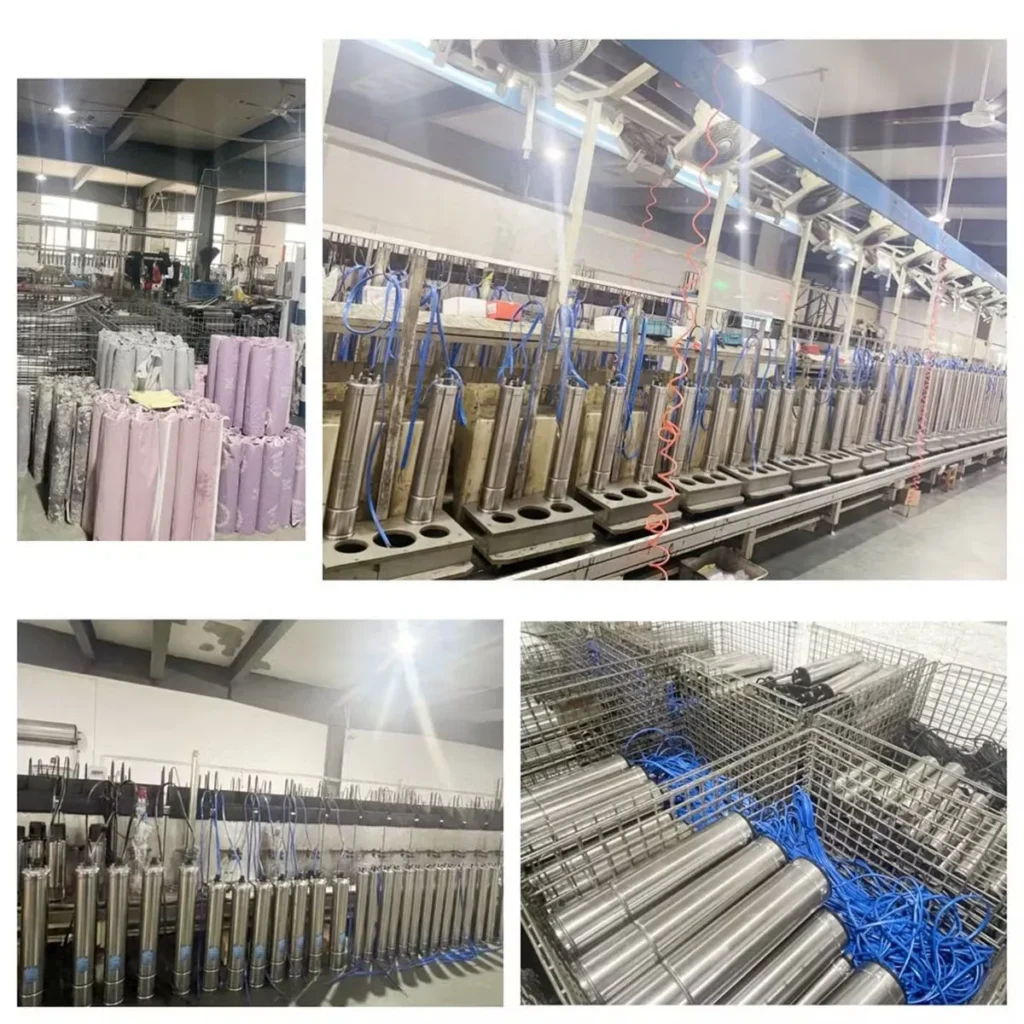
Approximately 40% of Submersible Water Pump failures originate in the motor. Electrical testing is crucial for safety and longevity.
6.1 Winding Resistance Test
Using a milli-ohmmeter, measure the resistance between phases (U-V, V-W, W-U). In a three-phase motor, these readings should be balanced within 2%. An imbalance indicates uneven winding turns, which causes uneven magnetic forces, leading to overheating and vibrations.
6.2 Insulation Resistance (Megger Test)
Use a Megohmmeter (Megger) set to 500V or 1000V (depending on motor voltage). Connect one lead to the ground terminal and the other to a phase terminal. A new, dry motor should read >100 MΩ. Readings below 1 MΩ indicate moisture ingress or insulation degradation. Never accept a motor with <1 MΩ insulation.
6.3 High Potential (Hi-Pot) Test
This test stresses the insulation to ensure it can withstand voltage spikes. Apply 1000V + (2 x Rated Voltage) for 1 minute. There should be no breakdown (sudden drop in resistance). This is a destructive test if done incorrectly, so it should only be performed by qualified technicians.
6.4 Protection Devices
Check the thermal overload protectors. These are usually bi-metallic strips that trip at a set temperature (e.g., 125°C). Simulate an overheat condition or check continuity. If the protector is bypassed or missing, the motor is vulnerable to burnout during stalled conditions.
6.5 Capacitor Check (Single Phase)
For single-phase pumps, the start/run capacitor is a wear item. Measure its capacitance with a multimeter. It should be within +/- 5% of the rated value. A bulging capacitor case is an immediate rejection.
7. Sealing & Waterproof Pressure Test (Submersible Specific)
This is the defining test for submersible pumps. A pump is only as good as its seals.
7.1 The Air Pressure Test (Industry Standard)
Instead of immersing the pump immediately, perform a pneumatic test. Seal the pump outlet and pressurize the casing to 0.2 MPa to 0.3 MPa (roughly 2-3 bar or 29-44 PSI). Maintain this pressure for 30 minutes.
- Acceptance Criteria: Pressure drop must be less than 10%.
- Leak Detection: Apply soapy water to all joints, cable entry points, and mechanical seals. Look for bubbles.
7.2 Mechanical Seal Inspection
Submersible pumps rely on mechanical seals (often Silicon Carbide vs Carbon). Check the spring tension and the flatness of the seal faces. Any scratch on the lapped face will allow water to enter the motor chamber.
7.3 Oil Chamber Inspection (For Oil-Filled Motors)
Many submersible pumps use oil-filled chambers to cool the motor and prevent water ingress. Drain a small amount of oil. If it appears milky or cloudy, water has entered the chamber—indicating a failed seal.
7.4 Immersion Test
After passing the pressure test,Submersible Water Pump immerse the pump in a tank of water at a depth equal to its rated operating depth (or 5m minimum) for 24 hours. Upon retrieval, check the motor insulation resistance again. It must still be >100 MΩ.
8. Durability & Continuous Operation Aging Test
A pump might pass a 5-minute test but fail after 500 hours. The aging test simulates long-term wear.
8.1 Continuous Run Test
Run a sample of pumps continuously for at least 24 to 48 hours under varying loads (cycling between 80%, 100%, and 110% of rated head). Monitor:
- Temperature Rise: Use infrared thermometers on the motor housing. Excessive heat is the #1 killer of motors. Bearings typically fail first due to heat expansion.
- Vibration Analysis: Place a vibration sensor or even your hand on the pump. Excessive vibration indicates imbalance or misalignment.
- Noise Levels: Grinding or clicking noises suggest bearing wear or cavitation.
8.2 Start/Stop Cycling
Frequent cycling is hard on motors and pressure switches. Program a test to cycle the pump on/off every 5-10 minutes for several hours. Check for contact welding in the starter and pressure switch fatigue.
8.3 Bearing Noise (Audible Inspection)
A healthy bearing produces a low-frequency hum. A worn or dry bearing produces a high-pitched squeal or a rhythmic grinding noise. Replace any pump with audible bearing noise.
9. Batch Consistency Inspection
This module separates B2B experts from novices. You aren’t buying one perfect pump; you are buying 500 identical pumps.
9.1 Sampling Methodology
Follow AQL (Acceptable Quality Limit) standards, typically ANSI/ASQ Z1.4. For critical defects (safety/electric), Level II, AQL 0.65 or 1.0 is standard. This means you randomly select a percentage of the batch for testing.
9.2 Parameter Uniformity
Test 5-10 units from different pallets/cartons within the same batch. Measure:
- No-Load Current
- Full-Load Current
- Flow Rate @ Rated Head
- Insulation Resistance
Plot these on a spreadsheet. If the standard deviation is high (e.g., flow rates vary by more than 5%), the factory has poor process control. This is a “Reject” scenario.
9.3 Component Uniformity
Physically disassemble 2-3 units. Check if the bearings are from the same brand (e.g., NSK vs. local copy). Check if the capacitors have the same branding. Inconsistent components within a batch lead to unpredictable maintenance schedules for your end-users.
10. Cross-Category Quality Test Adaptation
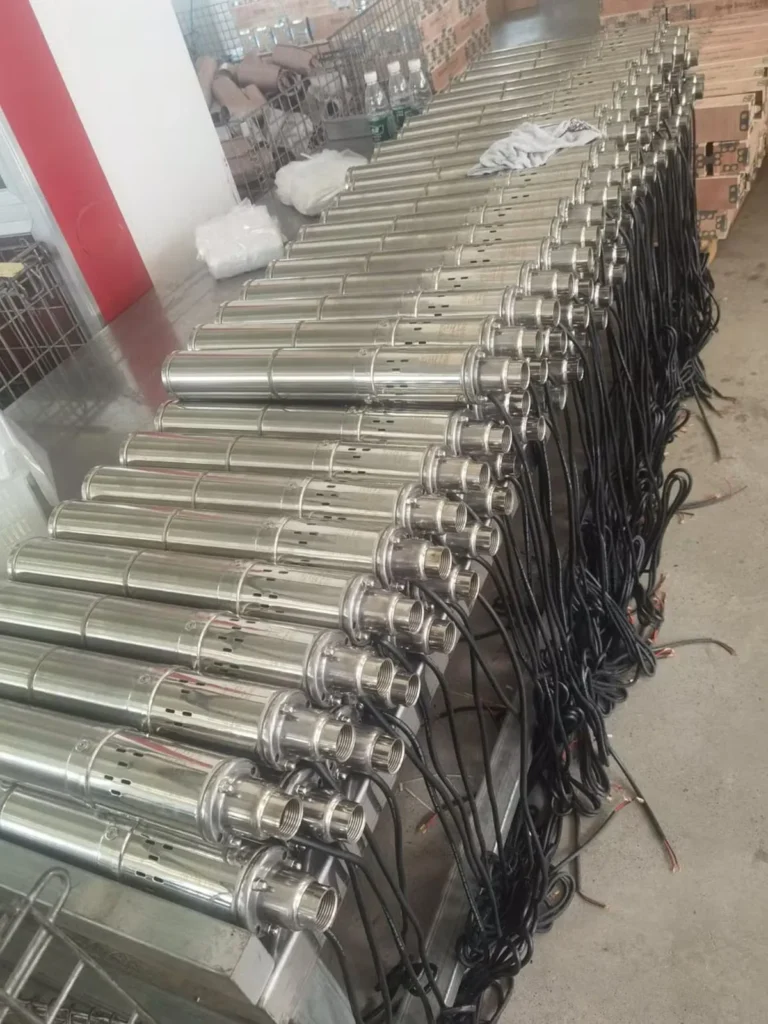
As Jingong Submersible Water Pump manufactures a full spectrum of pumps, understanding the nuances between them is vital for a multi-product distributor.
10.1 Land Pumps (Centrifugal/Booster)
Focus: Priming capability and NPSH. Land pumps are prone to cavitation if the suction lift is too high or the inlet pressure too low. Test for suction vacuum and listen for the tell-tale “gravel-in-pipe” sound of cavitation.
10.2 Solar Water Pumps
Focus: Controller synchronization and Low-Irradiance starts. Unlike AC pumps, solar pumps must handle variable voltage. Test the pump at 75%, 50%, and 25% of its rated voltage to simulate cloudy days. Ensure the MPPT (Maximum Power Point Tracking) controller is functioning and not overheating.
10.3 Gasoline & Diesel Engine Pumps
Focus: Combustion stability and Vibration. Perform a “Dry Run” check (no water) for a few seconds to listen to the engine idle. Check the oil level sensors and the robustness of the recoil starter. For diesel pumps, check the injector spray pattern if possible.
SEO Keywords: Broaden reach with land pump quality test, solar water pump bulk inspection, gasoline diesel pump performance test, and difference between submersible pump and land pump test.
11. Defect Judgment & Bulk Order Acceptance Standard
Establish clear “Pass/Fail” criteria in your contract before production starts.
11.1 Classification of Defects
- Critical Defects: Safety hazards (electric shock risk, fire hazard). Result: Immediate Rejection of entire batch.
- Major Defects: Performance failures (flow <5% of spec, head <5% of spec, insulation <1MΩ). Result: Rejection of sampled units + corrective action.
- Minor Defects: Cosmetic flaws (scratches, minor paint chips). Result: Negotiation for discount.
11.2 The “Zero-Defect” Policy
For high-stakes projects (hospitals, mines, high-rise buildings), insist on a Zero-Defect policy for Critical and Major categories. For general agricultural use, a 1.0 AQL might be acceptable.
11.3 Remedial Actions
If a batch fails, the supplier should provide a CAPA (Corrective and Preventive Action) report. This outlines why the failure occurred and how they will prevent it in the future. Never accept a “we fixed it” answer without documentation.
12. Conclusion & Expert Suggestions
Testing Submersible Water Pump submersible pump quality before a bulk order is not merely a “check-the-box” exercise; it is a strategic imperative. By implementing the 13-point framework outlined in this guide—from document verification and hydraulic curve analysis to batch consistency and cross-category adaptations—you transform from a passive buyer into an active quality manager.
At Jingong Technology, we welcome scrutiny. Our Zhejiang-based facility is equipped with state-of-the-art test benches capable of validating every claim made in this article. We encourage our B2B partners to witness inspections firsthand or appoint third-party agencies like SGS or TUV.
Final Expert Suggestions:
- Never Skip the Witness Point: Be present during the final Random Inspection.
- Trust but Verify Data: Demand raw data from test benches, not just summary sheets.
- Build Relationships: A factory that respects your quality demands is a partner for life. A factory that resists them is a liability.
Ready to secure your next bulk order with confidence? Contact the Jingong technical sales team today to discuss your project requirements or to schedule a virtual factory tour