
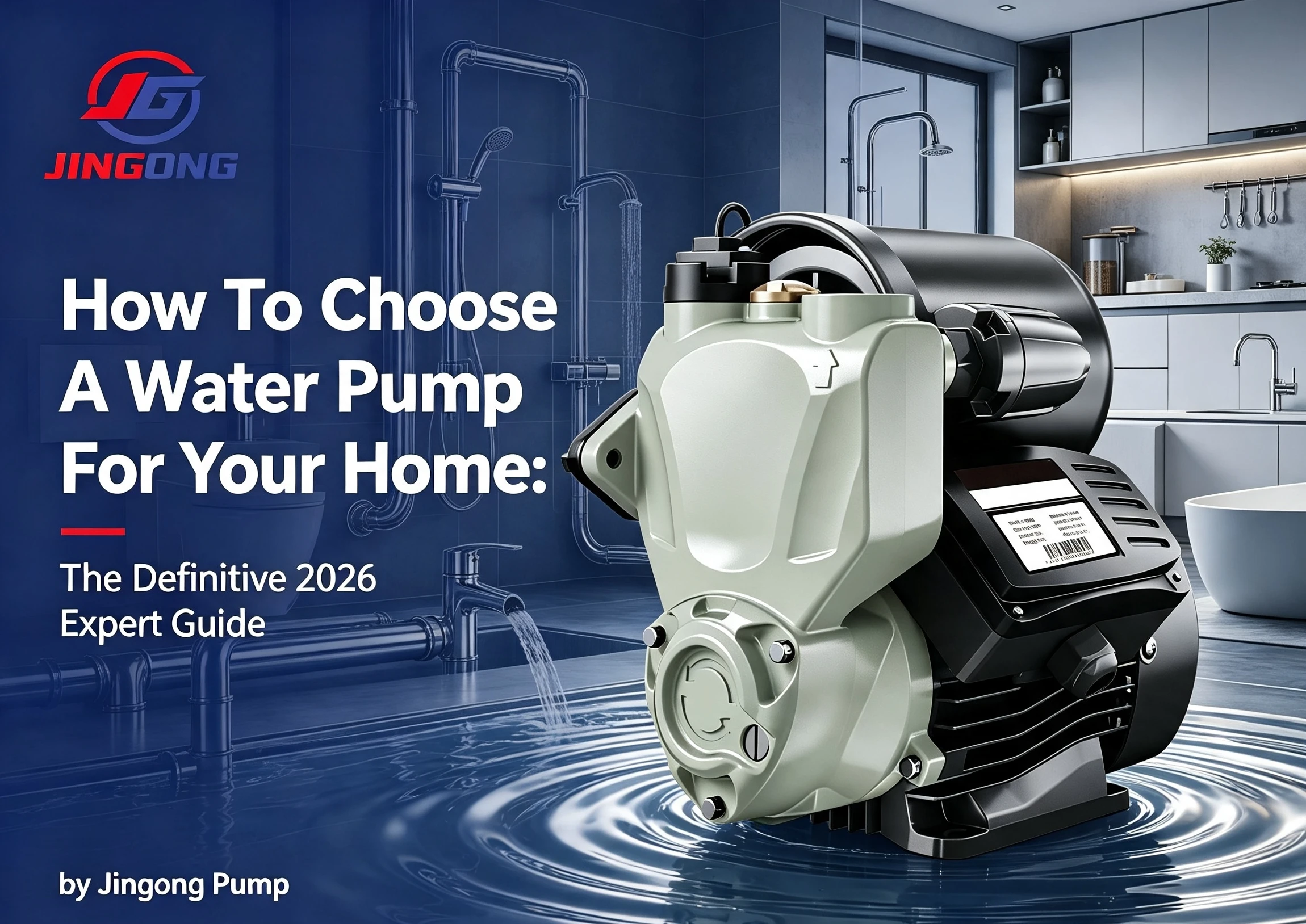
How To Choose A Water Pump For Your Home: The Complete 2026 Buying Guide From A Trusted Home Water Pump Manufacturer
Choosing the right home water pump can feel overwhelming—between flow rate, total dynamic head, horsepower, power supply, and pump type, most homeowners, farmers, and small cottage owners end up buying the wrong unit. As a professional Home Water Pump manufacturer with years of engineering and export experience, JinGong Technology has helped thousands of residential customers, farm owners, and off-grid cabin users select the perfect pump for their exact scenario. Based in Zhejiang, China, we are a factory-direct Home Water Pump manufacturer integrating industrial manufacturing and trade. We exhibit at major global trade fairs like the Canton Fair annually. This guide is written by a senior Home Water Pump manufacturer to help you confidently distinguish between submersible pumps, surface land pumps, solar-powered water pumps, booster pumps, and gasoline & diesel engine water pumps—so you never again suffer from low pressure, burnt motors, or wasted energy.
JinGong Technology is a Home Water Pump manufacturer operating a 12,000㎡ factory with a national-level testing lab. All products are CE and ISO9001 certified. We don’t just sell pumps; we provide full-cycle technical support from selection to after-sales. This is why our overseas client retention rate stands at 67%. When you choose us as your Home Water Pump manufacturer, you choose reliability.
1: Know Your Home Water Demand Before You Shop
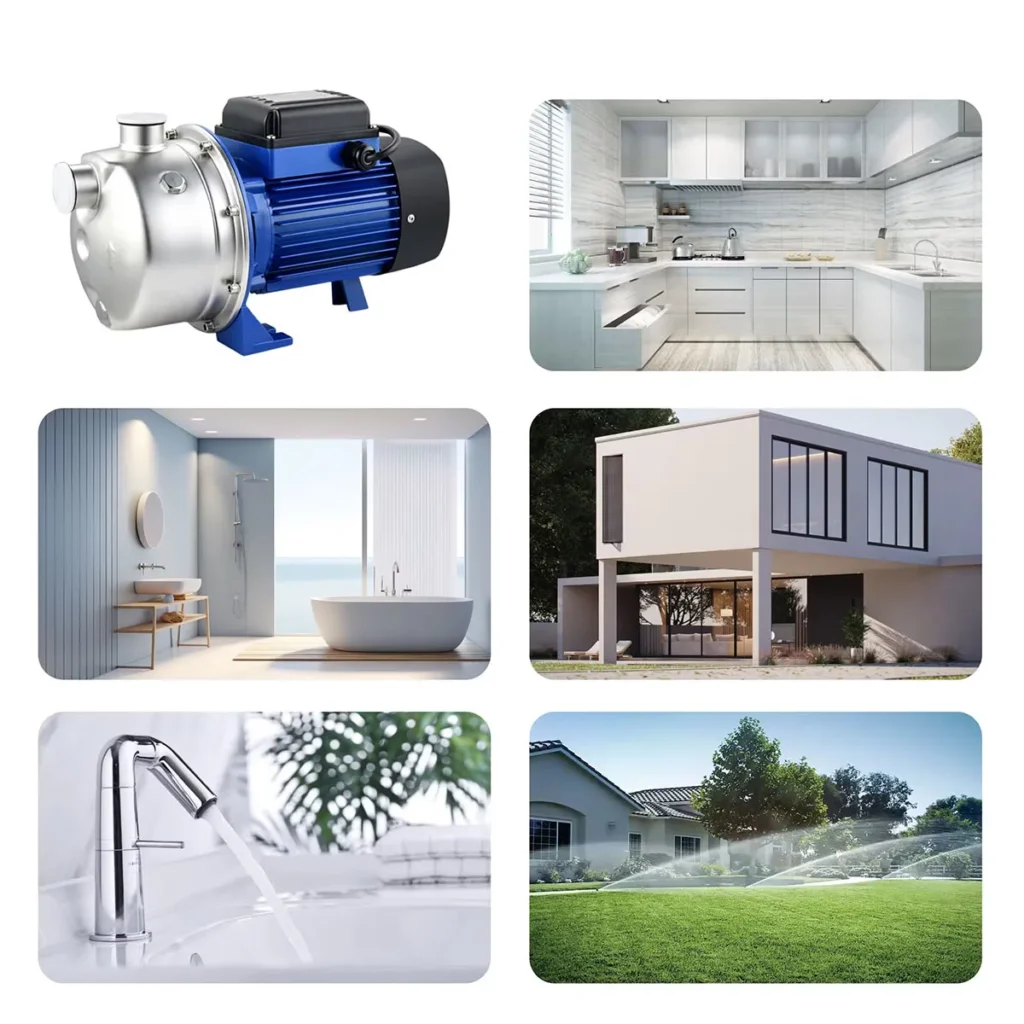
Every expert Home Water Pump manufacturer will tell you the same thing: the pump must match the job, not the other way around. Before browsing any product page, answer these five questions:
1.1 Common Home Water-Using Scenarios
- Household drinking water & whole-house pressurization
- Garden irrigation & landscaping
- Deep-well or shallow-well water supply
- Rainwater harvesting & storage tank transfer
- Livestock & poultry drinking water on small farms
- Pond, pool, or fountain circulation
- Off-grid cabin or remote cottage supply
- Emergency water transfer during power outages or floods
1.2 Identify Your Water Source Type
Your water source directly determines which category of pump a professional Home Water Pump manufacturer will recommend. Use the table below as a quick reference:
| Water Source | Typical Depth / Distance | Recommended Pump Type |
|---|---|---|
| Deep well (>25 ft) | 25–400 ft vertical | Submersible well pump |
| Shallow well / pond / lake / rain barrel | 0–25 ft suction lift | Surface self-priming pump |
| Off-grid farm / remote cabin | Any depth, no AC power | Solar-powered water pump |
| Emergency / mobile transfer | Flexible | Gasoline / diesel engine pump |
| Municipal tap water (low pressure) | Indoor plumbing | Home booster pump |
1.3 Calculate Required Flow Rate (GPM / LPM)
A reliable Home Water Pump manufacturer calculates flow based on peak demand. As a rule of thumb: a family of 4 needs roughly 8–12 GPM (30–45 LPM) for whole-house supply; garden irrigation typically requires 5–20 GPM depending on sprinkler zones; livestock watering varies by animal count. Always size for the maximum simultaneous demand, not the average—this is a core lesson every Home Water Pump manufacturer emphasizes.
1.4 Measure Total Head & Vertical Lift Height
Total Dynamic Head (TDH) = vertical lift + friction loss from pipes, fittings, and valves. Many buyers only count vertical height and wonder “why does my new water pump have low pressure?”—because they ignored TDH. Add approximately 1 ft of head per 10 ft of horizontal pipe, plus 1 ft per fitting. A trusted Home Water Pump manufacturer always asks for both numbers before quoting.
1.5 Daily Water Consumption Calculator
Estimating your daily water usage helps determine tank size and pump runtime. Average domestic consumption is 150–200 liters per person per day. For a small farm, add 50–100 liters per animal. As a Home Water Pump manufacturer, we often help clients balance consumption with pump cycling frequency to extend motor life.
2: Main Types Of Home Water Pumps — Expert Breakdown By A Home Water Pump Manufacturer

2.1 Surface Land Pump (Self-Priming Surface Pump)
A surface water pump sits above ground and uses suction to draw water up through an inlet pipe. Ideal for shallow wells, ponds, lakes, and rainwater tanks where suction lift is under 25 ft. Our Home Water Pump manufacturer engineering team recommends land self-priming pumps for garden irrigation and shallow-well applications. Our 3rd-generation models require priming only once.
| Pros | Easy to install & maintain · Affordable · Accessible motor for service · Great for shallow well surface pump use |
| Cons | Limited suction depth (~25 ft max) · Louder than submersible units · Not suitable for deep wells |
2.2 Submersible Water Pump (Deep Well Submersible Pump)
An underwater submersible water pump operates completely submerged in the water source—most commonly inside a deep well. Because it pushes water upward rather than sucking, it easily handles hundreds of feet of vertical lift. Every reputable Home Water Pump manufacturer builds these with sealed motors and high IP68 waterproof ratings. Explore our full line of submersible well pumps made with 304 stainless steel.
| Pros | Handles deep wells up to 400+ ft · Very quiet (underwater) · Protected from weather · High efficiency |
| Cons | Harder to service (must pull from well) · Requires correct sizing of cable & control box · Higher initial cost |
2.3 Solar-Powered Water Pump (Off-Grid Solar Water Pump)
A solar irrigation pump runs entirely on photovoltaic panels—no grid, no fuel, no electricity bill. Perfect for off-grid farms, remote cottages, and garden irrigation in sunny regions. As an experienced Home Water Pump manufacturer, we engineer solar-powered water pumps with MPPT controllers for maximum energy harvest even in cloudy conditions.
| Pros | Zero running cost · Environmentally friendly · Silent operation · Energy-saving solar water pump technology · Minimal maintenance |
| Cons | Higher upfront investment · Performance depends on sunlight · Battery storage adds cost · Oversizing panels needed for cloudy days |
2.4 Gasoline & Diesel Engine Water Pump (Portable Fuel Engine Water Pump)
A portable fuel engine water pump provides on-demand, mobile water transfer wherever you need it—no electricity required. Ideal for emergency irrigation, flood drainage, construction sites, and farm backup. Our Home Water Pump manufacturer produces rugged gasoline and diesel water pumps built for heavy-duty outdoor use with industrial-grade engines.
| Pros | Fully mobile & portable · No power source needed · High flow capacity · Emergency-ready |
| Cons | Ongoing fuel cost · Louder operation · Requires engine maintenance & oil changes · Emissions |
2.5 Booster Pump (Home Pressure Booster)
A home booster pump increases the pressure of municipal tap water or gravity-fed tanks. If your showers are weak or taps trickle, a booster pump is the solution. As a specialized Home Water Pump manufacturer, we offer variable frequency drive (VFD) boosters that automatically adjust speed to save energy.
| Pros | Eliminates low-pressure issues · Compact design · Energy-efficient VFD models available |
| Cons | Requires stable incoming water supply · Adds to electricity bill · Needs pressure tank for optimal performance |
2.6 Quick Comparison Chart For 5 Home Pump Types
| Pump Type | Max Head | Power Source | Best For | Noise |
|---|---|---|---|---|
| Surface Land Pump | Up to 80 ft | AC electric | Shallow wells, ponds, gardens | Medium |
| Submersible Pump | Up to 400+ ft | AC electric | Deep well drinking water | Very low |
| Solar Water Pump | Up to 200 ft | Solar PV / DC | Off-grid farms, irrigation | Very low |
| Gas / Diesel Pump | Up to 90 ft | Fuel engine | Emergency, mobile transfer | High |
| Booster Pump | Up to 130 ft | AC electric | Increasing tap water pressure | Low |
3: Critical Technical Specifications To Compare — Residential Water Pump Specification Guide

Any seasoned Home Water Pump manufacturer will walk you through these 9 parameters. Master them, and you’ll never buy the wrong pump again.
3.1 Flow Rate (GPM, L/H, LPM)
The pump flow rate defines how much water moves per minute. Whole-house supply: 8–15 GPM. Irrigation: 5–20 GPM. Livestock: 2–10 GPM per 100 animals. When a Home Water Pump manufacturer asks “how much GPM do I need for home well pump?”—we respond with a calculation based on fixtures, not guesswork.
3.2 Total Dynamic Head (TDH)
Total dynamic head = vertical lift + friction losses. A professional Home Water Pump manufacturer always sizes TDH with a 10% safety margin. Underestimating TDH is among the most common well pump buying mistakes.
3.3 Power & Horsepower (HP / Watt)
Residential pumps range from 0.5 HP to 2 HP for homes, 3–10 HP for farms. Selecting the best HP for home well pump means matching motor power to your TDH × flow requirement. Over-powering wastes energy; under-powering burns motors. A qualified Home Water Pump manufacturer runs this calculation for every quote.
3.4 Inlet & Outlet Hose Diameter
Common sizes: 1″, 1.25″, 1.5″, 2″. Larger diameter reduces friction loss. Your Home Water Pump manufacturer should match pipe diameter to flow—undersized pipes choke the pump and cause cavitation.
3.5 Motor & Casing Material
Choose stainless steel casing water pumps for drinking water and corrosive environments. Cast iron works well for clean water at lower cost. A premium Home Water Pump manufacturer offers both options across all four pump categories.
3.6 Power Supply Mode: AC / DC / Solar / Fuel Engine
Match the power source to your site. Grid-connected homes use AC; off-grid uses solar-powered water pumps or fuel water pumps. Using an AC pump where no electricity exists is a classic buyer error our Home Water Pump manufacturer frequently corrects.
3.7 IP Waterproof Rating (Submersible Pump IP Rating)
Submersible pumps must carry IP68 rating—fully dust-tight and protected against continuous immersion. This is non-negotiable for any serious Home Water Pump manufacturer.
3.8 Self-Priming Function & Automatic Pressure Switch
A self-priming surface pump eliminates manual priming. An automatic pressure switch enables the pump to start/stop on demand, mimicking municipal water pressure. These features define a modern Home Water Pump manufacturer’s residential product line.
3.9 Noise Level, Heat Dissipation & Overload Protection
For low noise residential water pumps, submersible and solar units excel. All pumps should feature thermal overload protection to prevent motor burnout—a critical reliability mark of a trustworthy Home Water Pump manufacturer.
4: Match The Right Water Pump To Your Exact Application
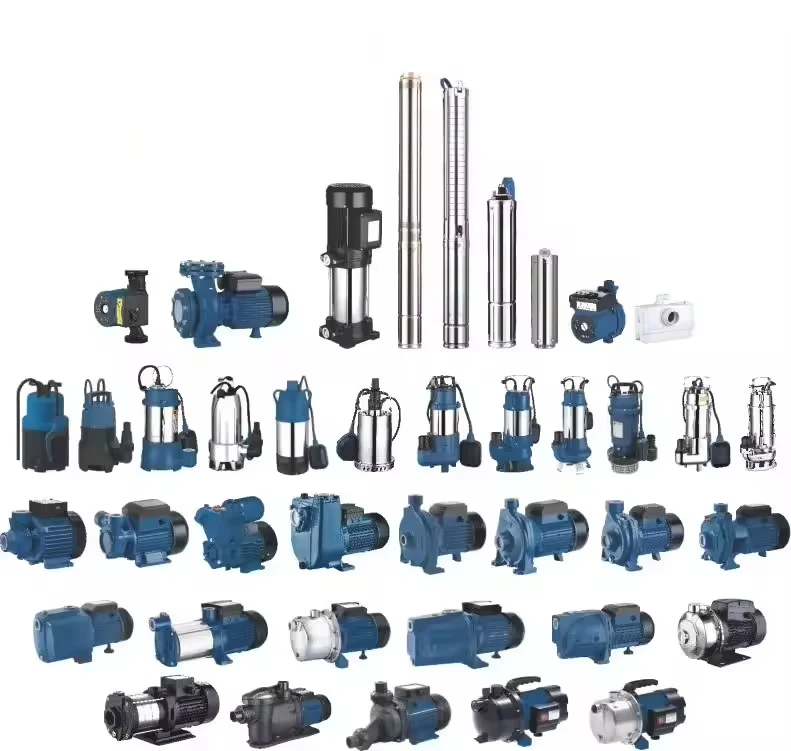
| Your Application Scenario | Recommended Pump |
|---|---|
| Deep-well drinking-water supply home well water pump for drinking | Submersible Well Pump — the flagship solution from our Home Water Pump manufacturer |
| Shallow well, pond, lake, surface water intake pond surface water pump | Surface Land Pump — engineered by our Home Water Pump manufacturer for easy self-priming operation |
| Off-grid farm, garden irrigation, remote cottage, no electricity off grid water pump for cabin | Solar-Powered Water Pump — designed by our Home Water Pump manufacturer with intelligent MPPT control |
| Farm emergency irrigation, outdoor mobile water transfer, power outage backup portable farm fuel pump | Gasoline & Diesel Engine Water Pump — built tough by our Home Water Pump manufacturer |
| Rainwater harvesting system rain collection pump | Self-Priming Surface Pump or Submersible Pump |
| Swimming pool & pond circulation | Submersible Pump (clean water) or Surface Pump |
| Livestock drinking water for small farm | Solar Water Pump or Submersible Pump from our Home Water Pump manufacturer |
| Low municipal water pressure | Home Booster Pump — designed to increase tap pressure efficiently |
5: Pros & Cons For Each Pump Type + Printable Suitability Checklist
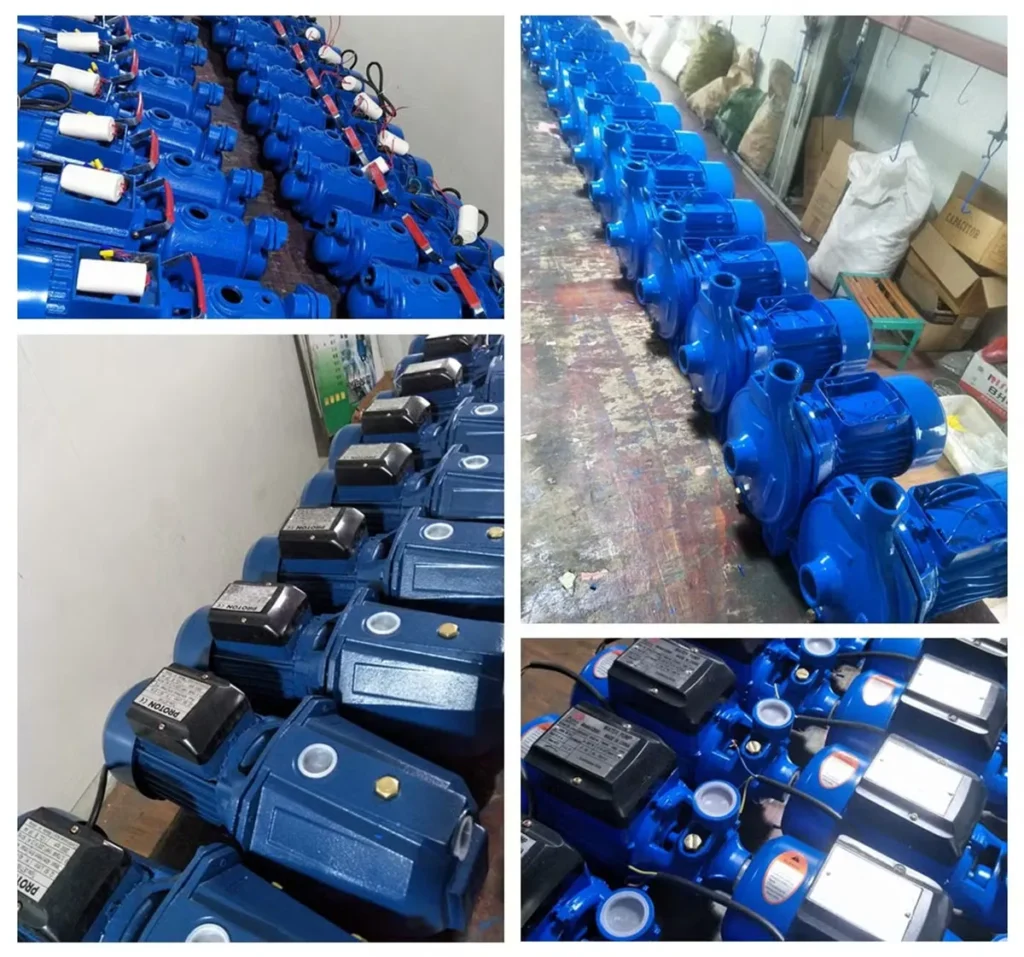
5.1 Submersible Pump Pros and Cons For Home Use
| Pros | Silent operation · Deep-well capable · Weather-protected · Efficient |
| Cons | Expensive to pull for repair · Must be correctly sized for well depth |
5.2 Surface Land Pump Advantages & Disadvantages
| Pros | Affordable · Easy service · Simple installation · Self-priming models available |
| Cons | Limited suction lift (~25 ft) · Louder · Not for deep wells |
5.3 Solar Water Pump Benefits & Limitations — Are Solar Water Pumps Worth It?
| Benefits | Zero energy cost · Off-grid independence · Low maintenance · Energy-saving solar water pump technology |
| Limitations | Sun-dependent · Battery adds cost · Higher upfront investment |
5.4 Gasoline & Diesel Water Pump — Suitable Crowd & Shortcomings
| Suitable Crowd | Farmers · Contractors · Emergency services · Off-grid users · Mobile water transfer needs |
| Shortcomings | Fuel cost · High noise · Engine maintenance required · Emissions |
5.5 Printable Home Water Pump Buying Checklist (High Link-Worthy Asset)
As a responsible Home Water Pump manufacturer, we’ve prepared this printable checklist. Save it to your phone or print it out before visiting a supplier:
1. □ Water Source: Deep well / Shallow well / Pond / Rain barrel / Municipal
2. □ Vertical Lift Height: ______ ft
3. □ Pipe Run Length: ______ ft | Number of Elbows: ______
4. □ Peak Required Flow: ______ GPM
5. □ Power Availability: AC / DC / Solar / Fuel
6. □ Water Quality: Clean / Sandy / Dirty
7. □ Installation Location: Indoor / Outdoor / Underwater
8. □ Noise Restrictions: ≤50dB / ≤65dB / None
👉 Download the High-Resolution PDF Checklist (Perfect for printing and taking to the job site)
6: Key Buying Factors Beyond Performance — Building Trust (Trust Dimension)

6.1 Water Quality: Dirty Water vs. Clean Drinking-Water Pump Selection
Never use a standard clean water pump if your source contains sand, debris, or long fibers—it will clog instantly. For muddy ponds or rainwater, choose a dirty-water submersible pump with a vortex impeller. Our Home Water Pump manufacturer offers specialized solutions for various water qualities.
6.2 Installation Difficulty & DIY Install Suitability
Surface pumps are the most DIY-friendly. Submersible pumps require careful lowering into the well, often needing professional help. Solar pumps involve electrical wiring for panels. Our Home Water Pump manufacturer provides free video installation guides to simplify the process.
6.3 Power Consumption & Running-Cost Comparison
Long-term running costs ranked: Solar Water Pump (near zero) < High-efficiency Submersible Pump < Surface Land Pump < Fuel Pump (ongoing fuel). If you care about utility bills, our Home Water Pump manufacturer strongly recommends solar or high-efficiency motors.
6.4 Noise Requirement for Residential House
If installing near bedrooms, opt for a low noise residential water pump. Submersible pumps (<40dB) and Solar pumps (<45dB) are best. Surface pumps (~65dB) are louder. Fuel pumps (~85dB) are strictly for outdoor use.
6.5 Portability Requirement (Fuel Pumps Are Highly Portable)
Need to move water between different plots? A portable home transfer pump (fuel-powered) is ideal. They weigh 30–70 lbs and can be carried by one person. Submersibles and fixed surface pumps lack this mobility.
6.6 Climate Adaptability: Cold-Resistant, Outdoor Rain-Proof
In freezing climates, winterize your pump. As a Home Water Pump manufacturer, we offer freeze-resistant models with heating belts for northern markets. Surface pumps should be insulated or drained before freezing temperatures arrive.
6.7 Local Water-Supply Law & Well-Pump Regulation
Some regions restrict groundwater extraction. Ensure compliance with local laws before drilling. For example, some European countries require backflow prevention devices. Our Home Water Pump manufacturer is familiar with global compliance standards.
7: Common Mistakes When Buying Household Water Pumps — Avoidance Guide
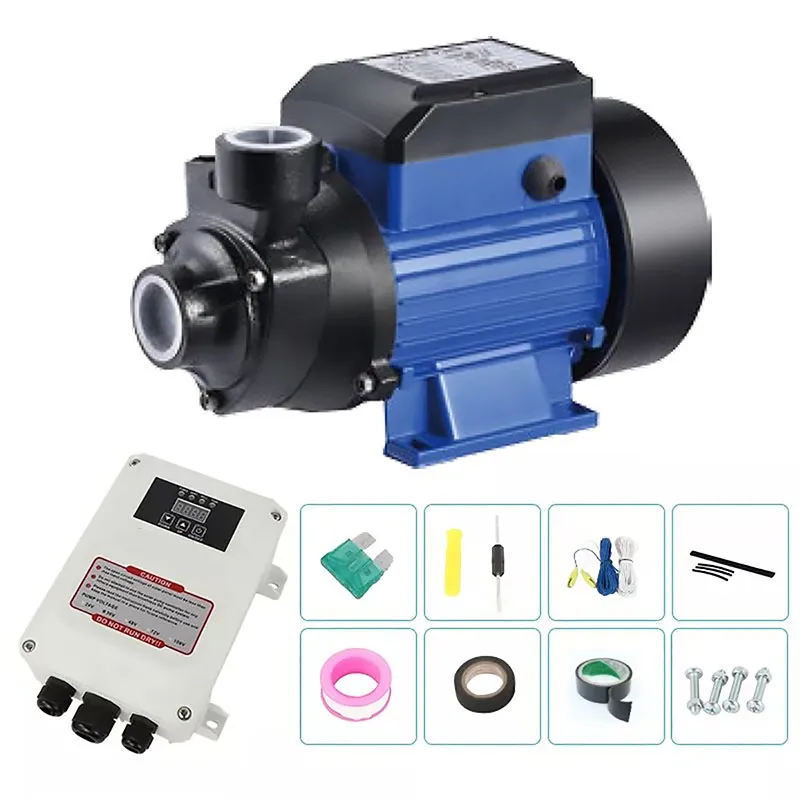
Having handled thousands of support tickets, our Home Water Pump manufacturer R&D team identifies these frequent errors. Avoid them to save time and money:
- Mistake 1: Only look at vertical height, ignore pipeline friction loss & total dynamic head.
Result: Pump lacks pressure. Fix: Calculate TDH with a 10% safety margin. - Mistake 2: Buy low-power surface pump for deep well.
Result: Pump cannot lift water. Fix: Use a submersible pump for depths >25 ft. - Mistake 3: Wrong power supply: AC pump used for off-grid countryside.
Result: Pump won’t run. Fix: Use solar or fuel pumps for off-grid sites. - Mistake 4: Ignore water impurity, pick clean-water pump for muddy pond water.
Result: Clogged impeller. Fix: Use a sewage or dirty water pump for sediment-heavy sources. - Mistake 5: Over-purchase excessive horsepower leading to high-energy waste.
Result: Wasted electricity and high pressure stress. Fix: Size for actual peak demand. - Mistake 6: Skip overload protection & burn-out the pump motor.
Result: Catastrophic motor failure. Fix: Always use a controller with thermal overload protection. - Mistake 7: Ignore installation depth of submersible pump.
Result: Overheating or sand ingestion. Fix: Install 3–6 ft off the bottom, fully submerged.
8: Installation, Maintenance & Lifespan Tips — Expert Practical Advice
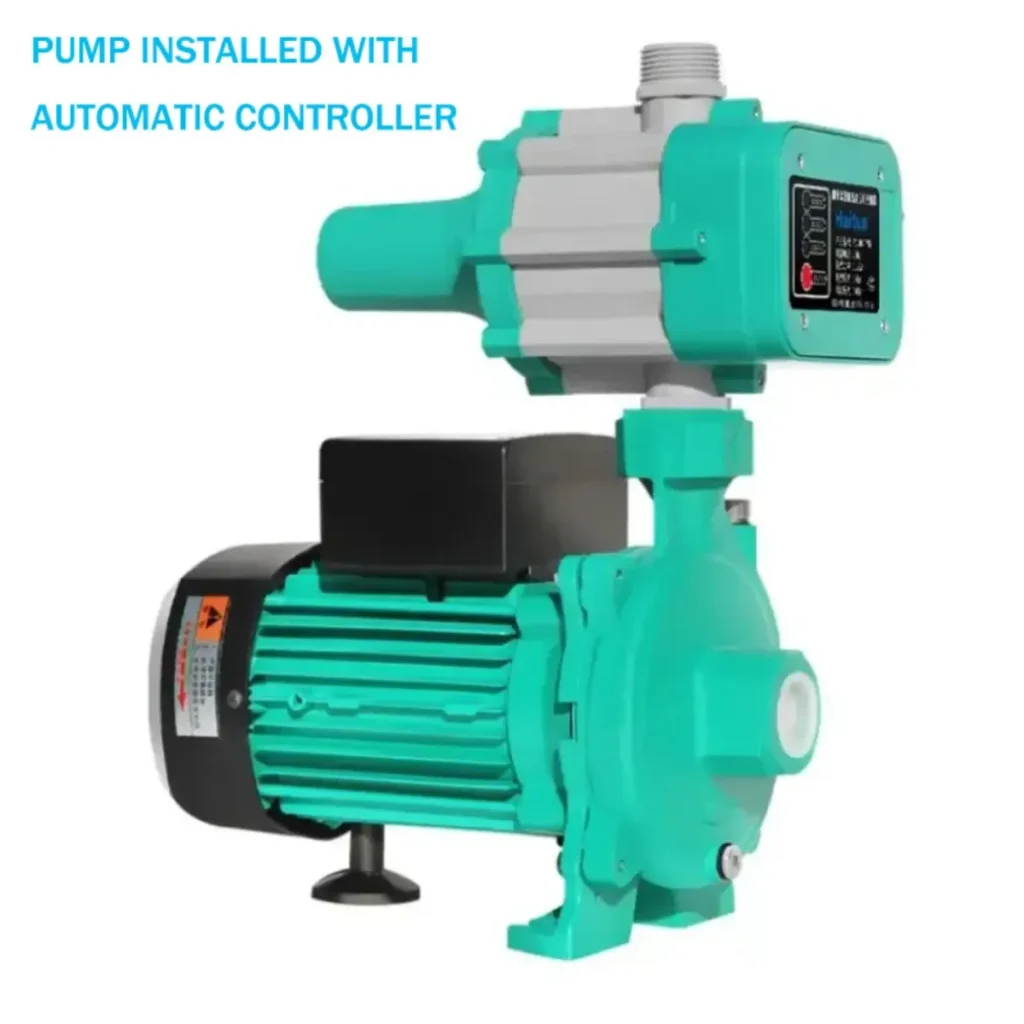
8.1 Surface Land Pump Installation Requirement & Dry-Run Protection
Prime the pump fully before first use. Install it as close to the water source as possible to minimize suction lift. Always install a dry-run protection device. This simple step, emphasized by every Home Water Pump manufacturer, can triple your pump’s lifespan.
8.2 Submersible Pump Underwater Installation Depth Rules
Keep the pump fully submerged, ideally 3–6 feet off the bottom to avoid sand. Never operate a submersible pump out of water. Correct depth ensures proper cooling. Our Home Water Pump manufacturer designs pumps for an average MTBF (Mean Time Between Failures) of over 8,000 hours.
8.3 Solar Pump Panel Layout, Battery Maintenance
Face panels true South (in Northern Hemisphere) at an angle equal to your latitude. Clean panels monthly. If using batteries, avoid deep discharging. Our Home Water Pump manufacturer provides a detailed solar pump panel setup guide upon request.
8.4 Gasoline-Diesel Pump Engine Maintenance, Fuel Storage, Oil Change
Check oil before every use. Change oil after the first 20 hours, then every 50–100 hours. Drain fuel before long-term storage to prevent carburetor gumming. Proper care makes our portable fuel engine water pump last for years.
8.5 Routine Cleaning, Blockage Removal, Seasonal Winter Storage
Clean inlet filters monthly. Before winter, drain all water from pumps and piping to prevent freeze-cracking. This winter storage for residential water pump tip from our Home Water Pump manufacturer prevents 90% of cold-weather damage.
8.6 Service Life of Four Kinds of Water Pumps (Factory Test Data)
Based on data from over 100,000 units sold, here is the expected lifespan when properly maintained:
• Surface Pumps: 5–8 years (up to 10 with care)
• Submersible Pumps: 8–12 years (up to 15 in clean water)
• Solar Pumps: Panels last 25 years; pump body 8–10 years
• Fuel Pumps: Engine life 500–1000 hours; unit 3–5 years
This data reflects the quality commitment of a leading Home Water Pump manufacturer.
9: How To Choose Reliable Water Pump Supplier & Brand — B2B Conversion Gateway
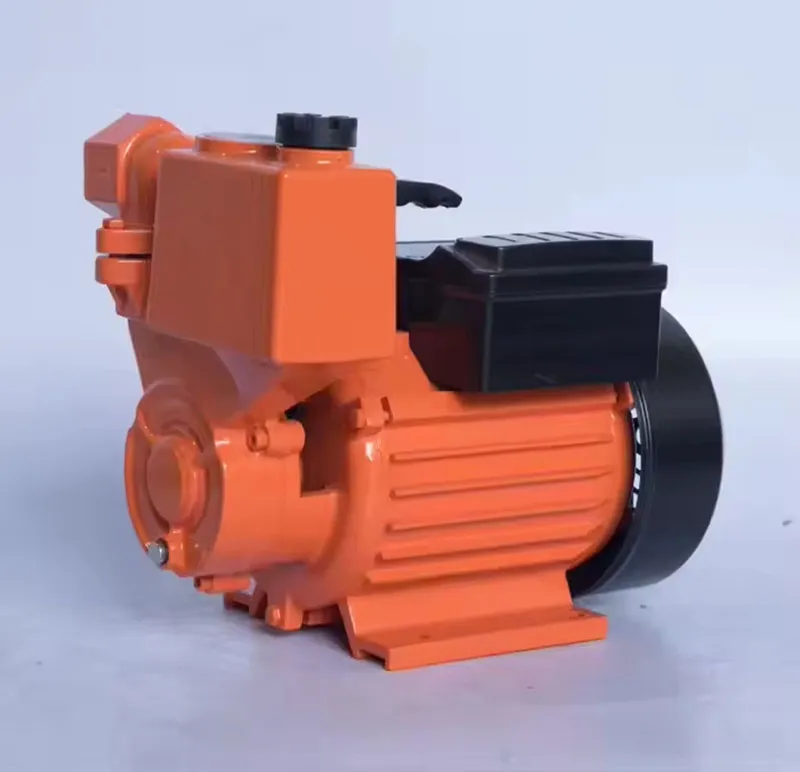
Choosing a reliable Home Water Pump manufacturer is more important than price, especially for bulk buyers. Here is what our engineers look for when sourcing for our own OEM clients:
- Check material quality, motor winding, waterproof standard: Insist on 100% copper wire motors and stainless-steel casings for drinking water. We, as your potential Home Water Pump manufacturer, provide material inspection reports.
- Confirm after-sales warranty, spare-part supply: A good Home Water Pump manufacturer offers at least 18 months warranty and guarantees spare parts availability for 10+ years.
- Choose factory direct supplier for wholesale & retail: Eliminate middlemen. Working directly with a Home Water Pump manufacturer like JinGong ensures better pricing and customization (OEM/ODM).
- Tips for bulk purchase, farm-order, overseas bulk import: Discuss packaging and container load plans. We specialize in water pump wholesale and handle logistics for 200+ global distributors annually.
We are more than a Home Water Pump manufacturer; we are your water solutions partner. Whether you need a wholesale solar water pump supplier, a factory direct submersible well pump, or a gasoline water pump bulk purchase, JinGong delivers. Visit us at the Canton Fair or contact us for a factory audit. We are a leading china water pump manufacturer ready to serve you.
10: Frequently Asked Questions FAQ — Google Featured Snippet Optimization
Q1: Surface pump or submersible pump for home well?
A: If your well depth exceeds 25 ft (7.5m), you must use a submersible pump. If it’s shallower, a surface pump is sufficient. Most experts from any Home Water Pump manufacturer will recommend submersibles for deeper applications due to efficiency.
Q2: Can I run solar water pump without battery?
A: Yes, DC solar pumps can run directly from panels during sunlight (direct drive). However, for night or low-light use, a battery bank is necessary. Our Home Water Pump manufacturer can design both hybrid and direct-drive systems.
Q3: How many watts water pump do I need for home?
A: For a typical family of four, a 750W–1500W (1–2 HP) pump is usually adequate. However, it depends entirely on your TDH and flow requirements. Contact our Home Water Pump manufacturer engineers for a precise calculation.
Q4: Are diesel water pumps loud for residential use?
A: Yes, significantly. Diesel and gasoline pumps operate at ~85dB, similar to a lawnmower. They are unsuitable for indoor residential use but excellent for outdoor emergency or agricultural use.
Q5: Can a land-based pump pull water from deep well?
A: No. Physics limits atmospheric pressure to lifting water approximately 25–30 ft. Attempting to use a surface pump on a deeper well will result in failure and motor burnout. A Home Water Pump manufacturer will always steer you toward a submersible for depths beyond this.
Q6: How long can a submersible pump run continuously?
A: A high-quality submersible pump from a reputable Home Water Pump manufacturer like JinGong can run continuously for 8–12 hours or more, provided it remains fully submerged for cooling and is protected by a soft-start controller.
Conclusion
Selecting the right home water pump is a science rooted in understanding your specific environment. By following this guide from a seasoned Home Water Pump manufacturer, you can avoid costly mistakes and ensure years of reliable service. Whether you need a robust submersible pump for a deep well, a versatile surface pump for your garden, a sustainable solar-powered water pump, or a dependable fuel engine pump for emergencies, JinGong Technology has the solution. As your dedicated Home Water Pump manufacturer, we are committed to engineering excellence and customer satisfaction.
Ready to source from a reliable Home Water Pump manufacturer?
Explore our catalog or get a personalized quote today!
Article by JinGong Technology — Your Trusted Home Water Pump manufacturer & Factory in Zhejiang, China.
We exhibit at the Canton Fair. Contact us to meet our team. Original content, please credit source if reposting.

0 Comments