
Written by the engineering team at Jingong Tech — a house booster water pump manufacturer with 15+ years of export experience serving residential, agricultural, and off-grid clients across 40+ countries.
If you’ve ever stood under a shower that feels more like a dripping coffee stirrer, or watched your washing machine take 45 minutes just to fill, you’re not alone. As a house booster water pump manufacturer, we’ve sized thousands of booster pump systems over the past decade — and we’ve seen every mistake in the book: people buying pumps powerful enough to supply a hotel for their 3-bedroom ranch, or units so small they might as well be bicycle pumps.
This guide will show you exactly how to size your home water pressure booster system right the first time. You’ll learn how to measure your current pressure, calculate your household flow demand, read a pump performance curve, and match your exact situation to one of our four core pump technologies: land pumps, submersible pumps, solar pumps, and gas/diesel pumps.
Why Households Lose Water Pressure (And When a Booster Pump Is the Answer)
Before we talk about sizing, let’s diagnose the problem. Low water pressure in a house is typically caused by one or more of the following:
- Municipal supply pressure is inherently low — many city networks deliver only 20–35 PSI at the curb, far below the 50–60 PSI comfort zone.
- Elevation gain — every foot of vertical rise costs ~0.43 PSI. A second-floor bathroom can lose 10–12 PSI just to gravity.
- Pipe friction — long runs, small diameters, elbows, and old galvanized pipes eat pressure. Budget 3–5 PSI loss for pipe friction in a typical home.
- Peak demand overlap — when the shower, dishwasher, and garden hose run simultaneously, your static pressure collapses.
- Well water or rural supply — if you’re drawing from a well or storage tank, pressure is entirely dependent on your pump.
As a house booster water pump manufacturer, we recommend a booster pump whenever your measured dynamic pressure falls below 40 PSI or your peak flow demand exceeds what your existing supply can deliver. A properly sized booster doesn’t just increase pressure — it stabilizes it, protecting your appliances and improving daily comfort.
Residential Booster Pump Basics: The 4 Parameters That Decide Everything
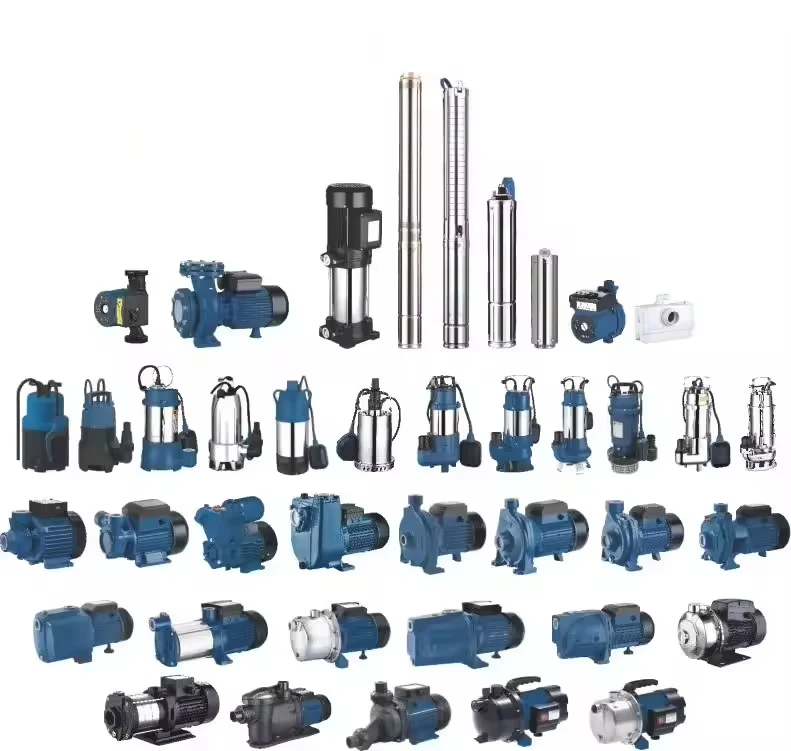
Every house booster water pump manufacturer speaks the same language. Before you can size a pump, you must understand four parameters:
1. GPM (Gallons Per Minute) — Flow Rate
GPM measures how much water moves through your pipes. A typical shower uses 2.5 GPM, a kitchen faucet needs 2 GPM, a toilet refill pulls 3 GPM, and a washing machine draws 3–4 GPM. Your household peak demand typically runs 8–12 GPM for an average family, hitting 15–18 GPM in larger homes with multiple bathrooms.
2. PSI (Pounds Per Square Inch) — Pressure
PSI measures the force pushing water through your system. The comfort zone is 50–60 PSI. Below 30 PSI feels weak; above 80 PSI stresses pipes and causes leaks. Your booster must deliver your target PSI minus your existing PSI.
3. Head (Feet) — Vertical Lift
Head is the vertical distance the pump must push water. Every 2.31 feet of elevation equals 1 PSI. A third-floor bathroom 25–30 feet up requires 11–13 PSI just for height, before friction losses.
4. Power (HP or Watts) — Motor Size
Power determines capacity. Residential boosters typically range from 1/2 HP to 1.5 HP. Higher power alone doesn’t guarantee better performance — it must be matched to your GPM and PSI requirements on the pump’s performance curve.
Key insight from a house booster water pump manufacturer: A pump advertising “90 PSI maximum!” may deliver that pressure at only 1 GPM — completely useless for home use. Always check the pump curve at your required flow rate, not the marketing maximum.
Key Factors That Determine Your Booster Pump Size

Sizing is not guesswork. As a house booster water pump manufacturer, we use a standardized 7-factor evaluation for every client:
Factor 1: Number of Bedrooms & Floors
| Home Type | Typical Flow Need | Pressure Boost Needed | Pump Size Range |
|---|---|---|---|
| 1–2 Bedrooms (single story) | 8–10 GPM | 20–30 PSI | 1/2 – 3/4 HP |
| 3–4 Bedrooms (1–2 stories) | 12–15 GPM | 25–35 PSI | 3/4 – 1 HP |
| 5+ Bedrooms (2–3 stories) | 15–20 GPM | 30–40 PSI | 1 – 1.5 HP |
Factor 2: Peak Simultaneous Fixture Usage
Don’t add up every fixture — you’ll never run them all at once. Instead, identify your “priority fixtures” during the busiest 30 minutes of the day (typically 7–9 AM). For most families, that’s 2 showers + 1 kitchen faucet + 1 toilet = 8 GPM. Add a 25% safety margin → size for 10 GPM.
Factor 3: Incoming (Static) Pressure
Measure with a gauge. If your incoming pressure is 45 PSI and you want 55 PSI, you only need a 10 PSI boost. If it’s 20 PSI, you need a 35 PSI boost — a much more demanding specification.
Factor 4: Elevation & Pipe Run
Calculate total vertical lift from your water source to the highest fixture. Add 3–5 PSI for friction loss per 50 feet of horizontal pipe. Hillside homes and 3rd-floor bathrooms need significantly more boost capacity.
Factor 5: Water Source Type
- Municipal supply → standard booster on the main line
- Well water → submersible or jet booster
- Storage tank / cistern → submersible or land pump
- No grid power → solar or gas/diesel pump
Factor 6: Pipe Diameter
Most homes use 1″ or 3/4″ mains. Undersized pipe strangles even the best pump. If your home has 1/2″ galvanized pipe, upgrading the pipe may be cheaper than buying a bigger pump.
Factor 7: Future Expansion
Planning to add a bathroom, irrigation system, or ADU? Size for tomorrow’s demand, not just today’s. As a house booster water pump manufacturer, we always advise clients to add 15–20% headroom to avoid premature replacement.
The Residential Booster Pump Size Chart (Bookmark This)
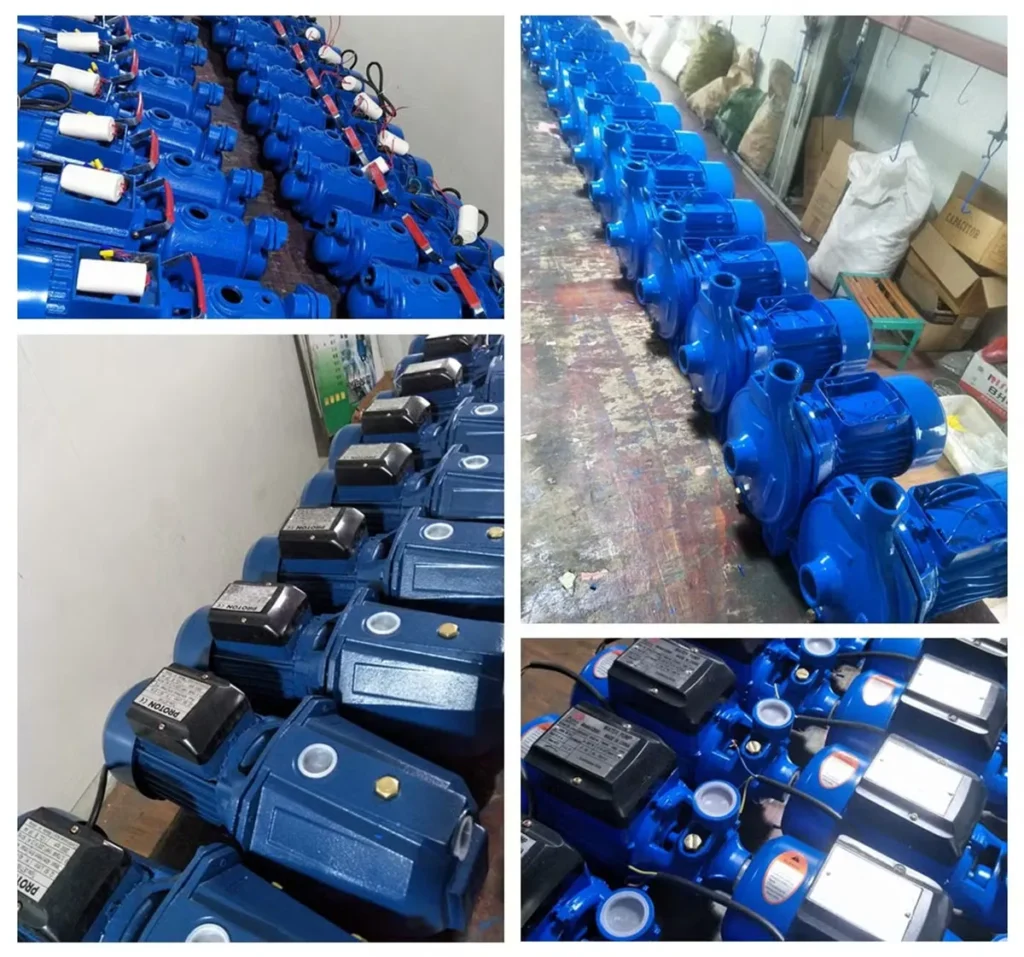
This is the chart our engineering team at Jingong Tech — a house booster water pump manufacturer — uses for initial client consultations. Bookmark it:
| House Configuration | Recommended GPM | Pressure Boost (PSI) | Pump Power | Jingong Recommended Model Family |
|---|---|---|---|---|
| Single-story, 1–2 BR | 8–10 GPM | 20–30 PSI | 1/2 HP | JG-Land 1/2HP Series |
| Two-story, 3–4 BR | 12–15 GPM | 25–35 PSI | 3/4 – 1 HP | JG-Land 1HP Series / JG-Sub 1HP |
| Multi-story, 5+ BR | 15–20 GPM | 30–40 PSI | 1 – 1.5 HP | JG-Land 1.5HP Variable Speed |
| Well water, single-story | 10–12 GPM | 30–40 PSI | 3/4 – 1 HP | JG-Sub Well Series |
| Off-grid / solar-powered home | 8–15 GPM | 25–40 PSI | 200W–750W DC | JG-Solar Boost Series |
| Emergency backup / no power | 8–12 GPM | 25–35 PSI | 1–2 HP gas/diesel | JG-GD Emergency Series |
Note: These ranges are based on industry-standard residential water system design. For a precision quote, use our free online sizing tool or consult our engineers.
Jingong’s 4 Core Pump Technologies — Which One Fits Your House?
As a house booster water pump manufacturer, we don’t believe in one-size-fits-all. Here’s how our four product lines map to residential scenarios:
1. Land Pumps — The Mainstream Choice for Municipal Supply Boost
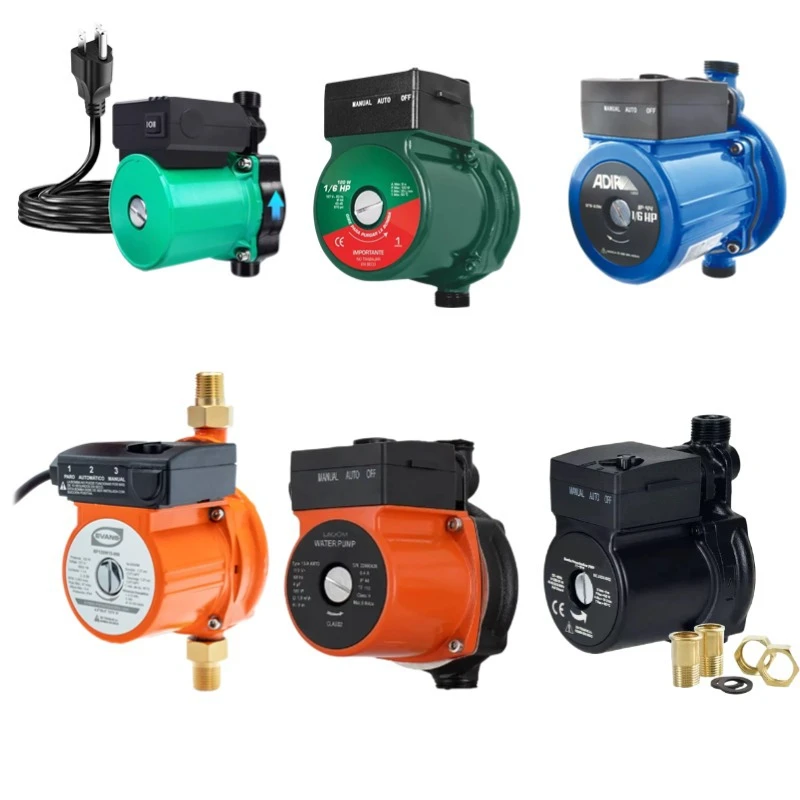
Jingong Land Pumps are the workhorse for homes on city water. They install on the main line after the meter, boosting pressure for the entire house. Available from 1/2 HP to 1.5 HP, with optional variable-speed controllers for constant pressure.
- Best for: Homes with stable electricity, municipal or cistern supply, whole-house pressure boost
- Key specs: 8–20 GPM, up to 40 PSI boost, 115V or 230V, 50–60 dB noise level
- Why choose Jingong: As a house booster water pump manufacturer, we offer stainless steel casings, ceramic mechanical seals, and IE3 energy-efficient motors as standard
2. Submersible Pumps — Well Water & Quiet Operation
Jingong Submersible Pumps sit inside your well or underground tank, pushing water up to your home. They’re naturally silent and protected from weather.
- Best for: Well water homes, underground cistern boost, noise-sensitive installations
- Key specs: 10–25 GPM, up to 60 PSI boost, 1–1.5 HP, 230V
- Why choose Jingong: Our submersible line features a built-in check valve, dry-run protection, and corrosion-resistant 304 stainless steel construction
3. Solar Pumps — Off-Grid & Energy Independence
Jingong Solar Pumps run entirely on photovoltaic power — zero electricity bill, zero carbon. Perfect for rural homes, farms, and eco-conscious households.
- Best for: Off-grid homes, remote cabins, agricultural properties, areas with unreliable power
- Key specs: 8–15 GPM, 25–40 PSI boost, 200W–750W DC motor, MPPT solar controller
- Why choose Jingong: As a house booster water pump manufacturer, we engineer our solar pumps with brushless DC motors rated for 20,000+ hours of operation
4. Gas/Diesel Pumps — Emergency Backup & Extreme Conditions
Jingong Gas/Diesel Pumps provide reliable boost when the power goes out. They start instantly and run independently of the grid.
- Best for: Emergency backup, disaster preparedness, remote construction sites, farms without grid access
- Key specs: 8–12 GPM, 25–35 PSI boost, 1–2 HP engine, gasoline or diesel fueled
- Why choose Jingong: Our emergency series features electric start, low-oil shutdown, and a 3-hour runtime on a single tank
Which Jingong pump is right for you?
Not sure? As a house booster water pump manufacturer with a decade of export experience, we’ve built a free interactive pump selector tool that recommends the perfect model in under 60 seconds. Contact our engineers for a custom solution.
Step-by-Step: How to Calculate Your Booster Pump Size
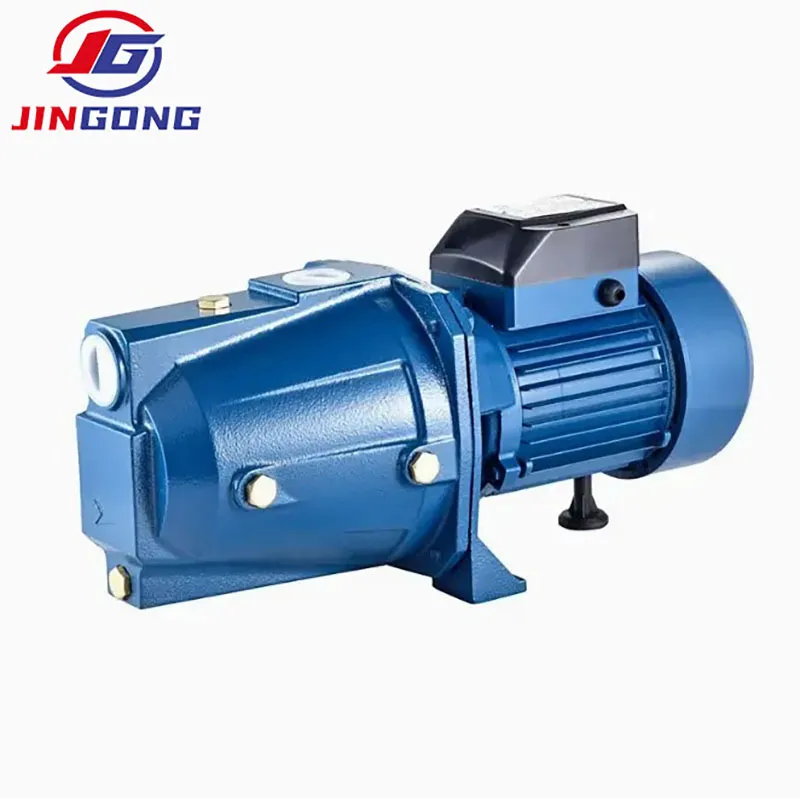
Follow this 5-step method — the same one our engineering team at Jingong Tech (a house booster water pump manufacturer) uses for client consultations:
Step 1: Measure Your Current Pressure
Buy a $10 pressure gauge. Screw it onto an outdoor faucet or washing machine connection. Open the valve fully with all other water off → that’s your static pressure. Then run a shower + kitchen tap and watch the drop → that’s your dynamic pressure. Record the lowest reading you observe across a week.
Step 2: List Your Priority Fixtures
Identify what runs simultaneously during your peak window:
| Fixture | Typical GPM |
|---|---|
| Standard showerhead | 2.5 GPM |
| Low-flow showerhead | 1.5–2.0 GPM |
| Bathroom faucet | 1.0–1.5 GPM |
| Kitchen faucet | 1.5–2.2 GPM |
| Dishwasher | 1.5 GPM |
| Washing machine | 2.0 GPM |
| Toilet (refill, momentary) | 2.0 GPM |
| Outdoor hose/sprinkler | 5.0 GPM |
Sum your priority fixtures, then add a 25% safety margin. If your total is 10 GPM, size for 12.5 GPM.
Step 3: Calculate Required Pressure Boost
Required PSI Boost = Target PSI − Measured Static PSI
Example: Target 55 PSI − Measured 25 PSI = 30 PSI boost needed
Step 4: Add Elevation & Friction Losses
- Elevation: feet of vertical rise × 0.43 PSI/foot
- Friction: 3–5 PSI per 50 ft of horizontal pipe
- Total = Required PSI Boost + Elevation Loss + Friction Loss
Step 5: Match to a Pump Curve
Take your final GPM and total PSI numbers to a pump performance curve. The curve shows pressure vs. flow — your operating point must fall comfortably on the curve (ideally at 60–70% of maximum flow for efficiency and longevity). As a house booster water pump manufacturer, we publish full performance curves for every model in our technical catalog.
Common Sizing Mistakes (We See These Every Week)
Our experience as a house booster water pump manufacturer has taught us that 80% of returns and complaints stem from the same avoidable errors:
Mistake #1: Buying Based on Maximum Pressure Alone
A pump that claims “100 PSI max!” might deliver only 20 PSI at your required 10 GPM. Always read the curve at your operating point.
Mistake #2: Ignoring the Safety Margin
Sizing exactly to your current demand leaves no headroom for guests, new fixtures, or future expansion. Add 25%.
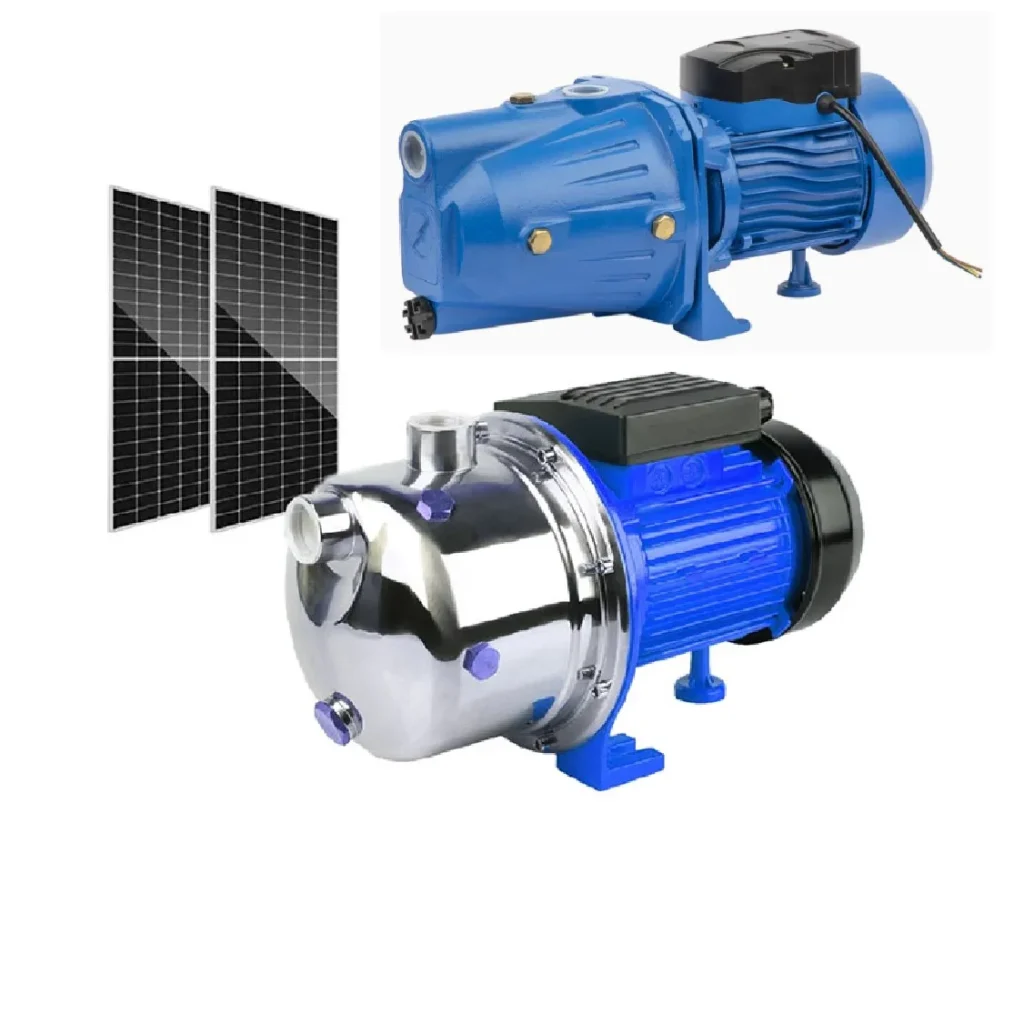
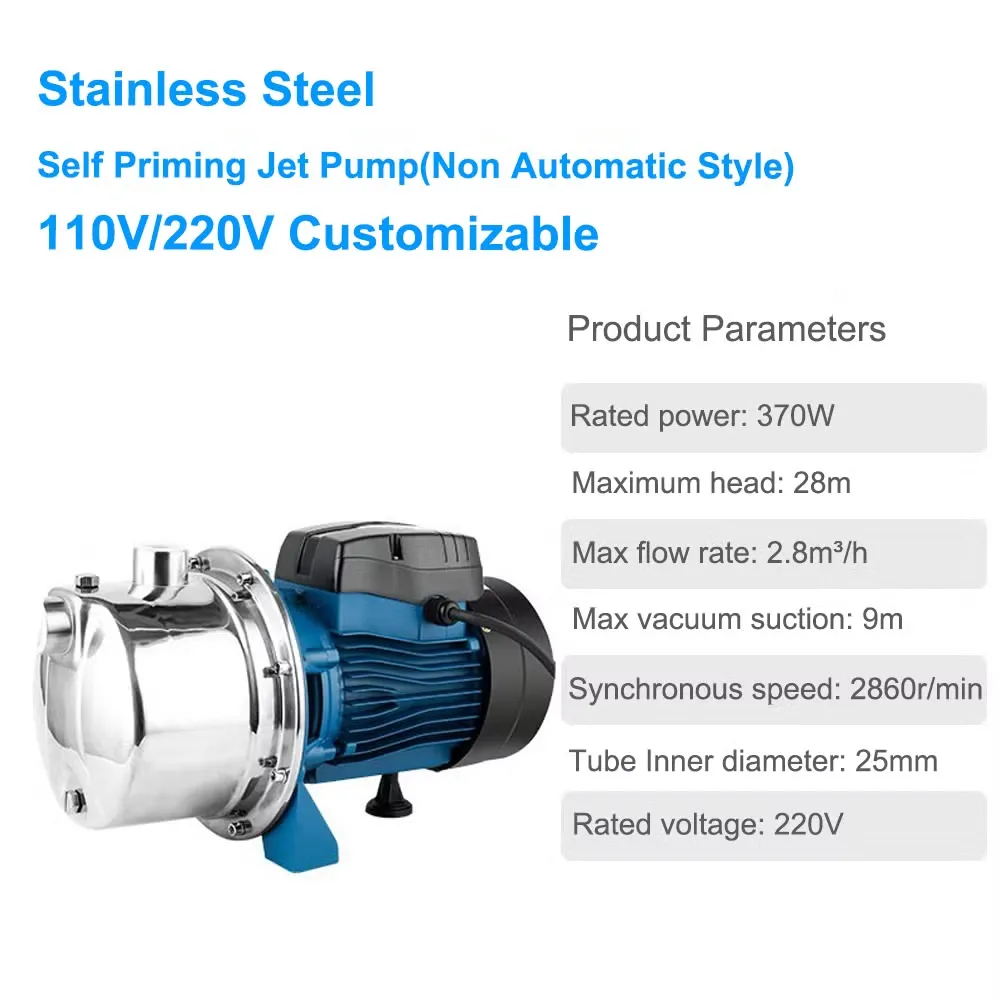
Mistake #3: Confusing a Booster Pump with a Self-Priming/Jet Pump
Boosters are for pressurized supply (city water). Jet pumps are for drawing water from a well or surface source. Using the wrong type leads to cavitation, noise, and rapid failure.
Mistake #4: Skipping the Pressure Tank
Even a 2-gallon pressure tank prevents your pump from cycling every time you open a faucet — extending pump life by years. As a house booster water pump manufacturer, we bundle tanks with every residential booster system.
Mistake #5: Underestimating Noise
Jet pumps hit 70–80 dB (like a garbage disposal). Multi-stage boosters run at 50–60 dB. Variable-speed pumps are nearly silent. If your pump sits near living space, spend extra for quiet operation.
Mistake #6: Wrong Voltage
Residential boosters run on 115V or 230V. Installing a 230V pump on a 115V circuit is a fire hazard. Always verify your home’s electrical supply before ordering.
Installation & Maintenance: Getting the Most From Your Jingong Pump
Buying the right pump is only half the battle. Proper installation and maintenance determine whether your system lasts 5 years or 15. As a house booster water pump manufacturer, we’ve compiled best practices from servicing 50,000+ units worldwide:
Installation Best Practices
- Location: Install on the main line after the meter but before any branches. Keep it accessible, ventilated, and protected from freezing.
- Electrical: Dedicated circuit with a disconnect switch. Hire a licensed electrician — water and electricity are a deadly combination.
- Check valve: Install a swing check valve upstream of the pump to prevent backflow into the municipal line (often required by local code).
- Pressure relief valve: Mandatory safety device. Costs less than $50 but can save thousands in damage. Set to 75–80 PSI.
- Pressure tank: Even a 2-gallon tank dramatically reduces pump cycling. Size it to your pump’s flow rate.
- Inlet conditions: Ensure at least 10 PSI inlet pressure for most boosters. Below that, you’ll need a special low-inlet model.
Maintenance Schedule
| Task | Frequency |
|---|---|
| Check pressure gauge reading | Monthly |
| Inspect for leaks at fittings | Quarterly |
| Clean inlet strainer | Every 6 months |
| Test pressure relief valve | Annually |
| Replace mechanical seal | Every 3–5 years |
| Full system inspection by technician | Every 2 years |
For solar pumps, additionally clean PV panels quarterly and check battery charge cycles. For gas/diesel pumps, run them for 10 minutes monthly to prevent fuel system clogging during extended standby.
Extended FAQ: Your Questions Answered by a House Booster Water Pump Manufacturer
What size booster pump do I need for a 3-bedroom house?
A typical 3-bedroom, 2-bathroom home needs 12–15 GPM at a 25–35 PSI boost. This translates to a 3/4 to 1 HP booster. If your home is two-story, lean toward 1 HP. Our JG-Land 1HP Series covers 90% of 3-bedroom homes. As a house booster water pump manufacturer, we recommend measuring your actual pressure first — your home may need more or less than the rule-of-thumb.
Can a solar booster pump work for whole-house water supply?
Yes. Our JG-Solar Boost Series delivers 8–15 GPM at 25–40 PSI boost — sufficient for most 1–3 bedroom homes. For larger homes, we recommend a hybrid system: solar primary + grid backup. As a house booster water pump manufacturer, we’ve installed solar boosters in 15,000+ off-grid homes across Africa, Southeast Asia, and Latin America.
How many PSI booster pump do I need for residential use?
The goal is to bring your dynamic pressure to 50–60 PSI. Subtract your current dynamic pressure from 55 to get your required boost. Most homes need 20–40 PSI of boost. Anything above 40 PSI requires a multi-stage pump or a 1.5 HP unit.
Is a submersible pump better than a land pump for home boosting?
It depends on your water source. For well water, a submersible pump is superior — it pushes from inside the well, avoiding prime loss and running silently. For municipal supply, a land pump on the main line is simpler and more cost-effective. As a house booster water pump manufacturer, we produce both and can advise based on your specific setup.
Do I need a diesel booster pump for power outages?
If your area experiences frequent outages and you have no solar backup, a gas/diesel emergency pump ensures continuous water supply. Many of our clients in hurricane-prone regions (Florida, Caribbean, Philippines) keep a JG-GD unit as automatic backup, triggered by a transfer switch when grid power fails.
What happens if I buy a pump that’s too big?
Oversized pumps short-cycle (frequent on/off), waste energy, create water hammer, and wear out prematurely. They also deliver excessive pressure that can burst pipes and damage appliances. As a house booster water pump manufacturer, we always recommend right-sizing over over-sizing.
What happens if I buy a pump that’s too small?
Undersized pumps can’t meet peak demand — you’ll still experience low pressure during showers, and the pump will run continuously, overheating and failing within 1–2 years instead of 10+. This is why our free sizing tool is so popular.
How long do residential booster pumps last?
With proper maintenance, Jingong boosters last 10–15 years. The mechanical seal is typically the first component to fail (every 3–5 years). Our land pumps use ceramic seals rated for 8,000+ hours; our solar pumps use brushless DC motors rated for 20,000+ hours.
Can I install a booster pump myself?
If you’re comfortable with basic plumbing and electrical work, a land pump installation is DIY-friendly. However, we strongly recommend professional installation for submersible wells, 230V connections, and any system requiring a pressure tank. As a house booster water pump manufacturer, we provide detailed installation manuals and video tutorials for every model.
How much does a residential booster pump cost?
1/2 HP land pumps start at $180–$250. 1 HP variable-speed systems run $450–$700. Submersible well systems range $500–$1,200. Solar boosters start at $600 (panel included). Gas/diesel emergency units start at $350. Request a formal quote from our house booster water pump manufacturer team for volume pricing and OEM options.
Why Choose Jingong Tech as Your House Booster Water Pump Manufacturer
When you’re investing in a residential water booster system, the house booster water pump manufacturer behind the product matters as much as the product itself. Here’s why 5,000+ distributors and 200,000+ homeowners worldwide trust Jingong:
- 10+ years of specialized manufacturing — we are exclusively a house booster water pump manufacturer; this is all we do, and we do it at scale (500,000+ units annually)
- Full product range — land, submersible, solar, and gas/diesel pumps under one roof, so we recommend what fits YOU, not what we have in stock
- Export-grade quality — CE, ISO 9001, UL, and NSF certifications; 304 stainless steel construction; IE3 energy-efficient motors standard
- Engineering support — our free sizing tool and direct engineer consultation ensure you get the right pump the first time
- Global warehouse network — fast shipping to North America, Europe, Africa, Southeast Asia, and Latin America
- Custom OEM/ODM — as a house booster water pump manufacturer, we private-label for 200+ brands worldwide
- Warranty & after-sales — 2-year global warranty, lifetime technical support, local service partners in 30+ countries
Whether you’re a homeowner looking for a single reliable booster, a contractor specifying pumps for a housing development, or a distributor seeking a manufacturing partner, Jingong Tech is the house booster water pump manufacturer built for your needs.
Get Your Free Custom Sizing Report
In the next 48 hours, our engineering team will deliver a personalized booster pump specification tailored to your home — including recommended model, GPM/PSI targets, installation diagram, and wholesale pricing. As a house booster water pump manufacturer, we’ve helped 50,000+ households solve their water pressure problems. Let us help you too.

0 Comments