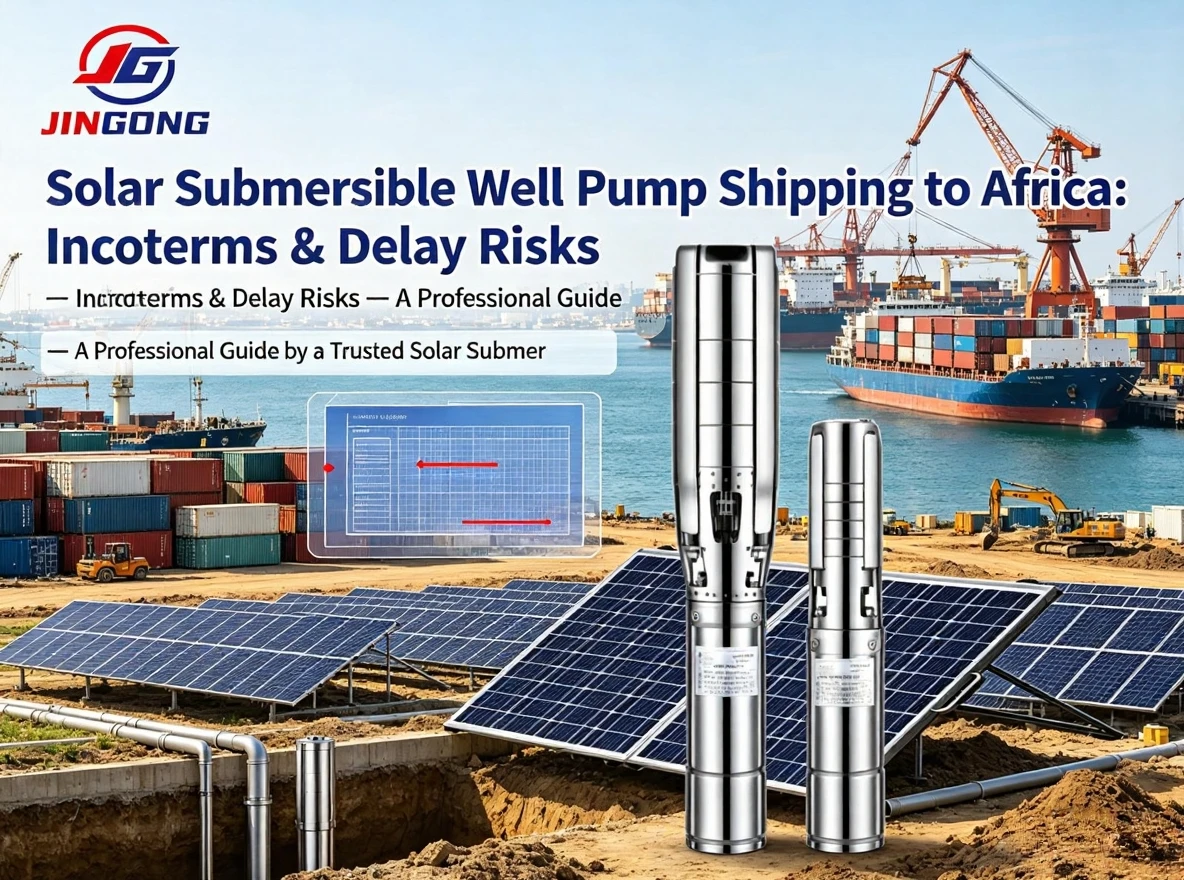
Solar Submersible Well Pump Shipping to Africa: Incoterms & Delay Risks — A Professional Guide by a Trusted Solar Submersible Well Pump Manufacturer
Published by Jingong Tech · 15+ years as a professional Solar Submersible Well Pump manufacturer · Serving African markets across Nigeria, Kenya, Tanzania, South Africa & more
As a leading Solar Submersible Well Pump manufacturer with 16+ years of export experience, we have shipped thousands of units to African farms, villages, and engineering projects. Yet every season, we see African buyers and distributors struggle with the same pain points: confusing Incoterms, unpredictable port delays, and solar pump cargo damage during ocean freight.
This guide is written by our international trade team to help procurement managers, project contractors, and distributors understand exactly how to ship solar submersible well pumps to Africa — covering Incoterms 2020 rules, real delay risks on African routes, and proven avoidance solutions. Whether you are sourcing from a Solar Submersible Well Pump manufacturer for the first time or scaling up bulk orders, this article gives you the practical framework to protect your timeline and budget.
1. Africa Water Pump Market & Sea Freight Characteristics
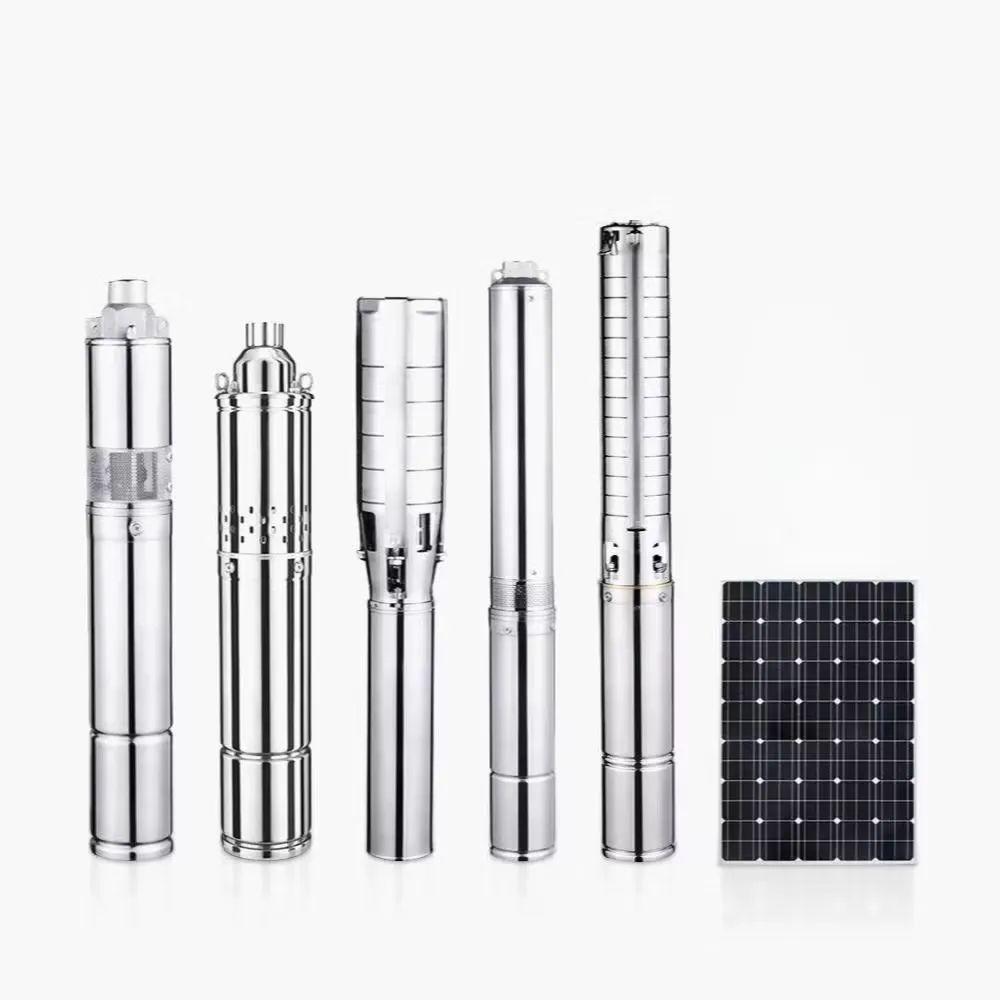
Africa’s agricultural irrigation, deep-well water extraction, rural village water supply, and engineering projects rely heavily on multiple pump categories. As an experienced Solar Submersible Well Pump manufacturer, we export not only solar submersible pumps but also deep-well submersible pumps, land centrifugal pumps, and gasoline/diesel engine pumps to the continent. Each category carries distinct shipping characteristics:
When you work with a reliable Solar Submersible Well Pump manufacturer like Jingong Tech, these category-specific requirements are handled at the factory level — saving you from costly surprises at the African port of entry.
2. Incoterms 2026 for Water Pump Shipping to Africa (6 Core Terms Explained)
According to Incoterms 2026 published by the International Chamber of Commerce, the following six terms are most frequently used when a Solar Submersible Well Pump manufacturer exports to African buyers. Understanding the responsibility split is critical to avoiding cost overruns and delivery disputes.
💡 Term Selection Advice from a Solar Submersible Well Pump Manufacturer
- Small-scale solar pump orders → FOB or CIF from Shanghai/Ningbo
- Large engineering submersible pump contracts → DAP or DDP to inland site
- Bulk land pumps & diesel pumps → CFR for cost efficiency on full containers
A professional Solar Submersible Well Pump manufacturer will always clarify the Incoterm version in the quotation — e.g., “FOB Ningbo, Incoterms 2020” — to eliminate ambiguity. At Jingong Tech, our sales engineers walk every African client through the optimal term based on order size, destination country, and project timeline.
3. Key Shipping Delay Risks for Africa Water Pump Cargo
Based on our 16-year track record as a Solar Submersible Well Pump manufacturer exporting to 30+ African countries, here are the five most common delay risk points across the entire freight chain:
3.1 Customs Clearance & Documentation Risks
African customs authorities — from Lagos to Mombasa to Durban — demand strict document consistency. In Ghana’s Tema port, for example, commercial invoices and certificates of origin must match exactly; any discrepancy between “Made in China” and “People’s Republic of China” can trigger a 30-day clearance delay. Many African markets also require specific certifications (SONCAP for Nigeria, PVOC for Kenya, etc.). A seasoned Solar Submersible Well Pump manufacturer pre-audits all documents before vessel departure.
3.2 Port Congestion & Inland Transport Delays
The real delay on African routes is rarely the ocean voyage — it’s the port and inland leg. Durban’s average waiting time can reach 2.3 days, with extreme anchor delays up to 28 days. Inland corridors like Mombasa–Kampala add weeks. As a responsible Solar Submersible Well Pump manufacturer, we factor these realities into our delivery commitments rather than quoting unrealistic ocean-only transit times.
3.3 Product-Specific Damage Risks
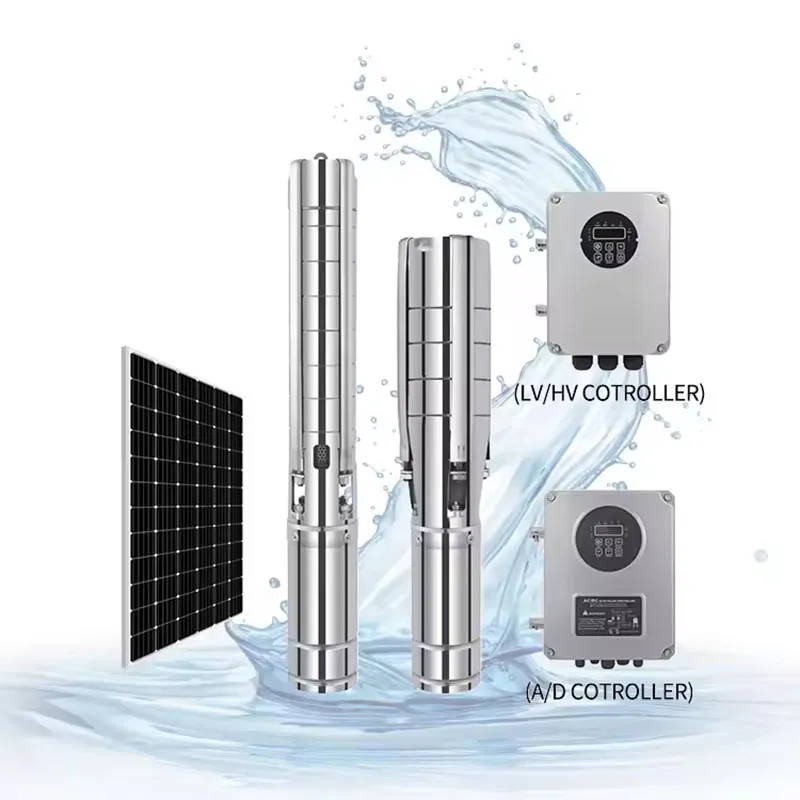
Solar submersible well pump systems are especially vulnerable: PV panels crack under impact, controllers suffer from moisture, and submersible pump seals can fail if water penetrates packaging. A qualified Solar Submersible Well Pump manufacturer invests in IPPC-compliant wooden crates, edge-protected foam, and silica gel desiccants for every shipment.
3.4 Geopolitical & Policy Volatility
Tariff reforms, currency controls, and cross-border transport restrictions can change without notice. A flexible Solar Submersible Well Pump manufacturer monitors policy updates weekly and advises clients proactively on the safest routing and term structure.
3.5 Missing or Incorrect Documentation
The essential document package for African pump imports includes: Commercial Invoice, Packing List, Bill of Lading, Certificate of Origin (Form E for China–Africa preferential tariff), Product Test Report, and CE/ISO certificates. Any gap directly translates to demurrage fees at the port.
4. Risk Avoidance & Optimization Solutions
4.1 Pre-Shipment Document Audit
As your Solar Submersible Well Pump manufacturer, we perform a full document pre-check 7 days before vessel cut-off, verifying HS codes, product descriptions, and certificate consistency against the destination country’s latest requirements.
4.2 Standardized Anti-Damage Packaging
4.3 Optimized Logistics Channel Selection
We partner exclusively with Africa-specialized freight forwarders who maintain local agent networks in Lagos, Tema, Durban, Mombasa, and Dar es Salaam. Working with a Solar Submersible Well Pump manufacturer that has established forwarder relationships means your cargo gets priority booking and proactive delay alerts.
4.4 Full-Route Cargo Tracking & Emergency Response
From factory dispatch to final destination delivery, our team provides weekly status updates. In the event of unexpected delay, a senior Solar Submersible Well Pump manufacturer account manager initiates contingency routing within 48 hours.
5. Shipping Comparison Across Pump Categories

Not all pumps ship the same way. As a full-range Solar Submersible Well Pump manufacturer and supplier of land pumps, deep-well pumps, and engine-driven pumps, here is our recommended logistics approach per category:
- Solar Water Pump Systems: Multi-component (panels + pump + controller), recommend CIF or DDP; suitable for small-batch rural water projects; requires fragile cargo handling.
- Submersible Well Pumps: Deep-well rated, waterproof packaging essential; large orders benefit from FCL shipping under FOB or DAP; ideal for municipal and estate projects.
- Land Centrifugal Pumps: Structurally simple, low damage rate; FOB or CFR works well for high-volume commercial orders.
- Gasoline / Diesel Pumps: Engine fuel systems need anti-leak treatment and special declarations; FOB or CIF with experienced hazardous-aware carriers.
6. Real Export Cases & Frequently Asked Questions

6.1 Case Study: 200 Solar Submersible Well Pump Units to Nigeria
In 2024, a Lagos-based distributor ordered 200 solar submersible well pump units for a state-wide agricultural irrigation program. By working with Jingong Tech as their Solar Submersible Well Pump manufacturer under CIF Lagos terms, we pre-cleared SONCAP certification, used reinforced plywood crating for all 12 FCL containers, and achieved a 96% on-time delivery rate despite peak-season congestion. Two containers faced a 9-day delay at Tema due to port congestion — our team re-routed via alternative feeder service within 72 hours.
6.2 Case Study: DAP Delivery to a Kenya Rift Valley Engineering Project
A Nairobi engineering firm contracted us as their Solar Submersible Well Pump manufacturer for 45 high-head solar submersible pumps destined for a Rift Valley water project. Under DAP Ngong, we managed Mombasa clearance, inland trucking, and final site delivery — completing the project 6 days ahead of the contractual 45-day window.
6.3 Frequently Asked Questions
Q1: What is the best Incoterm for pump export to Africa?
A: For first-time African buyers, CIF is most buyer-friendly as the Solar Submersible Well Pump manufacturer handles freight and insurance. For experienced importers, FOB offers better cost control. Large inland projects benefit most from DAP or DDP.
Q2: How long does it take to ship solar pumps to Africa?
A: Ocean transit to West Africa (Lagos/Tema) is typically 35–45 days from Ningbo; to East Africa (Mombasa/Dar es Salaam) 28–35 days; to Durban 30–38 days. Inland delivery adds 7–21 days depending on destination. Your Solar Submersible Well Pump manufacturer should quote total door-to-site timelines, not just ocean transit.
Q3: What documents are needed for water pump customs clearance in Africa?
A: Commercial Invoice, Packing List, Bill of Lading, Certificate of Origin (Form E), CE/ISO Certificates, Product Test Report, and country-specific certifications (SONCAP/PVOC/COC). A professional Solar Submersible Well Pump manufacturer prepares all documents pre-shipment.
Q4: How to solve solar pump cargo damage during sea freight?
A: Prevention is key — use a Solar Submersible Well Pump manufacturer with standardized anti-moisture, anti-shock crating, and always insure under CIF/CIP terms. In case of damage, file a claim within 3 days of delivery with surveyor report and photos.
7. Why Choose Jingong Tech as Your Solar Submersible Well Pump Manufacturer

With 15+ years of manufacturing and export experience, Jingong Tech stands as a trusted Solar Submersible Well Pump manufacturer serving African markets across Nigeria, Kenya, Tanzania, Ethiopia, South Africa, Ghana, and beyond. Our advantages:
Get a Customized Africa Shipping Quote
As a dedicated Solar Submersible Well Pump manufacturer, we provide free logistics consultations, customized Incoterm recommendations, and competitive FOB/CIF/DDP quotations for African destinations. Tell us your country, pump model, and quantity — we handle the rest.

0 Comments