
This guide is authored by the engineering team at Jingong Technology (Zhejiang, China). With over 10 years of experience manufacturing submersible pumps, solar pumping systems, and diesel engine pumps, we’ve compiled these safety protocols based on real-world failure analysis and strict factory acceptance tests.
Why Submersible Pump Safety Matters (Real Risks + Experience Backing)
A submersible pump operates underwater, combining high-voltage electricity with a dynamic fluid environment. While modern pumps are sealed, the interface between water and electricity remains a critical failure point. At Jingong, our after-sales data from 2014–2025 reveals consistent patterns of preventable accidents:
- Electric Shock: Often caused by damaged cable jackets, improper splicing underwater, or the absence of a Ground Fault Circuit Interrupter (GFCI/RCD).
- Dry-Run Burnout: The #1 killer of submersible motors. Once water levels drop below the intake, cooling ceases, and the motor windings overheat in seconds.
- Mechanical Seal Failure: Abrasive particles (sand/silt) wear down seals, allowing water ingress into the motor chamber.
This guide differs from generic articles because it is written by a pump manufacturer. We will provide specific tolerances (like megger values) and cross-reference safety standards across our entire product range, including surface booster pumps and gasoline engine pumps.
Submersible Pump Basic Safety Knowledge
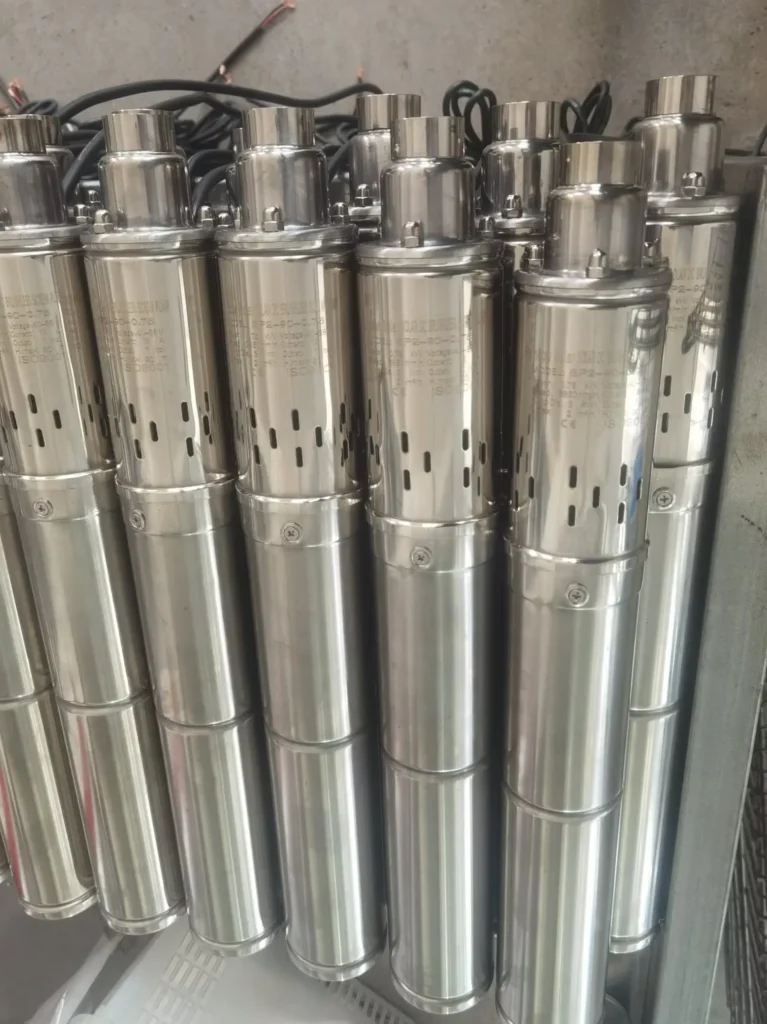
How a Submersible Pump Works (And Why Safety is Paramount)
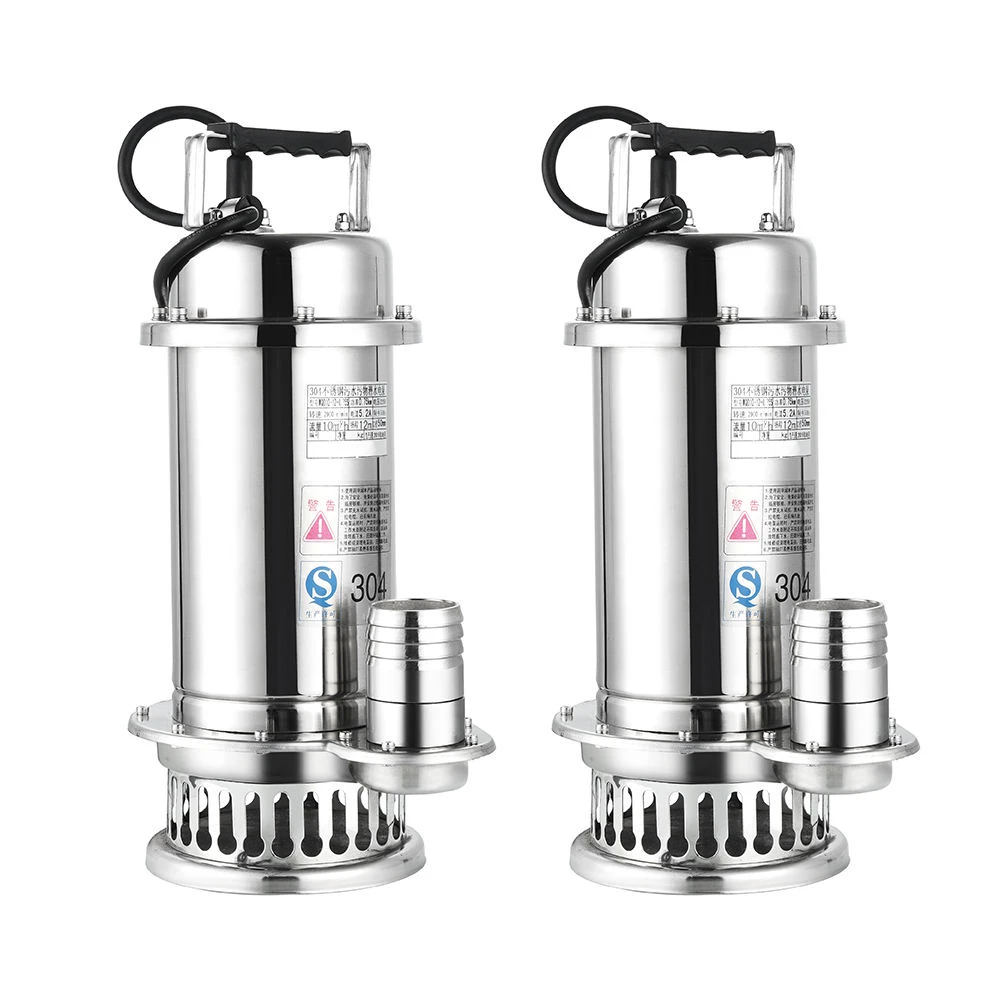
A submersible pump consists of a sealed motor (oil or water-filled) connected to an impeller. The surrounding water provides essential cooling. Unlike surface pumps that rely on air cooling, a submersible pump is entirely dependent on liquid immersion.
Core Safety Taboos (Industry Hard Rules)
These rules apply to all electric submersible pumps, regardless of brand:
- Never Run Dry: Even “dry-run protected” models have reaction times. Always verify water levels.
- Never Exceed Depth Rating: Excessive submergence causes external pressure to breach the motor seal.
- Never Use the Power Cable as a Hoist: Always use the built-in lifting eye and a rated rope. Strain on the cable separates internal conductors.
- Never Ignore Grounding: Double-insulated designs still require proper earthing per local electrical codes.
Cross-Category Safety Baseline Comparison
| Pump Type | Primary Hazard | Extra Safety Rule |
|---|---|---|
| Electric Submersible | Electrocution / Dry-run | Mandatory GFCI, float switches |
| Solar Submersible | DC Arc Flash / Voltage | DC disconnect, controller earthing |
| Diesel Engine Pump | Hot exhaust / CO fumes | Outdoor ventilation, fuel shutoff |
Pre-Use Safety Inspection Checklist
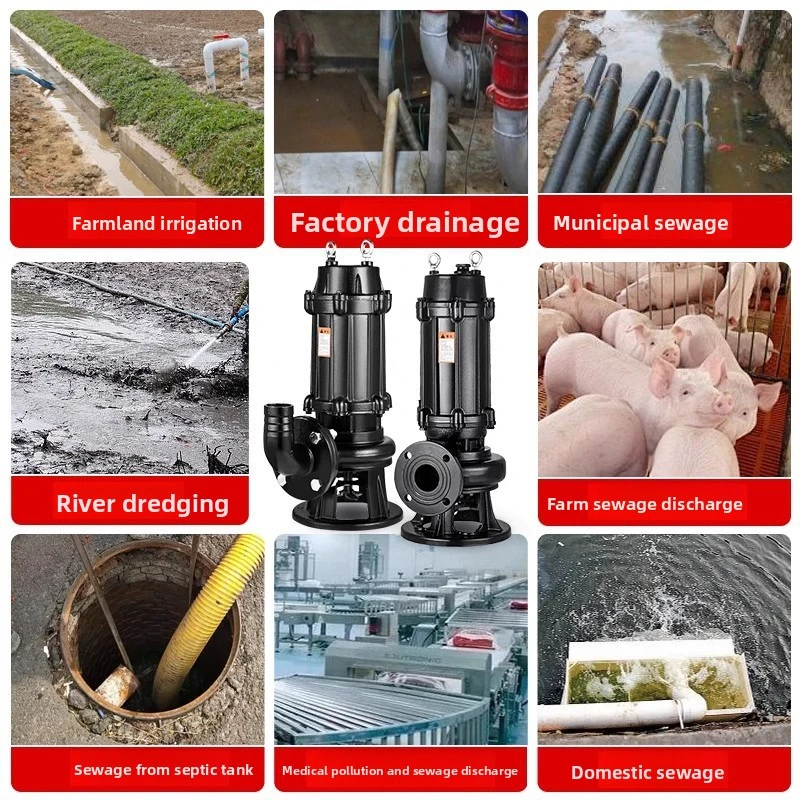
Before energizing any pump, complete this checklist. Skipping these steps voids warranties and risks catastrophic failure.
Electrical Safety (Critical)
- Cable Inspection: Look for cuts, abrasions, or rodent damage. Ensure the cable gland at the pump head is tight.
- Insulation Resistance (Megger Test): Using a 500V megger, test between each conductor and ground.
- New/Dry: ≥ 1 MΩ
- In Service: ≥ 0.5 MΩ
- Action: If below 0.1 MΩ, DO NOT ENERGIZE.
- GFCI Verification: Press the “Test” button on the upstream GFCI/RCD to ensure it trips correctly.
- Voltage Match: Confirm supply voltage (110V/220V/380V) matches the motor nameplate.
Mechanical & Site Checks
- Seal Visual: Check for oil leaks at the mechanical seal. Milky grease indicates water intrusion.
- Intake Screen: Ensure the strainer is not bent or clogged with debris.
- Water Depth: Verify water level is at least 0.5m above the intake for cooling.
- Silt Clearance: Ensure the pump is not sitting directly on mud or sediment.
Step-by-Step Safe Installation & Placement
The Correct Lowering Procedure
- Rope Attachment: Secure a nylon or stainless steel rope to the pump’s lifting eye. Never attach the rope to the power cable.
- Cable Management: Tape the power cable to the rope every 1–2 meters. The cable should be supported but not load-bearing.
- Slow Descent: Lower the pump slowly to prevent swinging and damaging the casing.
- Positioning: Place the pump 1–3 meters off the bottom (depending on silt levels) to avoid clogging.
Piping and Electrical Hookup
- Discharge Pipe: Secure pipes with double clamps to prevent vibration-induced loosening.
- Check Valve: Install a check valve (non-return valve) on the discharge to prevent water hammer when the pump stops.
- Junction Box: All electrical connections must be made in a waterproof (IP65/NEMA 4) junction box located above the maximum flood level.
In-Operation Safety & Real-Time Monitoring
The 30-Second Startup Rule
Upon first energizing:
- Stand clear of the water and electrical panel.
- Listen for steady flow and feel for smooth vibration.
- Watch for immediate GFCI trips (indicates insulation breakdown).
- If the pump trips, do not reset immediately. Investigate the cause.
Monitoring Parameters
| Parameter | Normal Range | Red Flag |
|---|---|---|
| Current Draw | ±10% of Nameplate FLA | >110% (Overload) or <50% (Dry-run) |
| Noise | Low Hum | Grinding/Rattling (Debris) |
| Water Level | Above Intake | Dropping toward Intake |
Post-Use Shutdown, Cleaning & Storage
Proper storage extends pump life significantly.
- Shutdown Sequence: Trip the control switch first, then unplug at the junction box (not at the pump).
- Cleaning: Rinse the pump body and flush the discharge line to remove silt or corrosive chemicals.
- Storage Environment: Store in a dry, ventilated area off the concrete floor. Coil the power cable with a wide radius to prevent internal wire fatigue.
- Seasonal Maintenance: If storing for over 3 months, rotate the shaft manually once a month to prevent the mechanical seal from sticking.
Common Safety Faults & Troubleshooting
Fault 1: Pump Runs But No Water/Low Flow
- Cause: Dry well, clogged intake, or foot valve failure.
- Action: Check water level. Pull pump and clear strainer. Test foot valve integrity.
Fault 2: GFCI Trips Immediately
- Cause: Insulation breakdown, water in junction box, or damaged cable.
- Action: Perform a Megger test. Inspect all splices. Do not reset until the fault is cleared.
Fault 3: Milky Oil / Water Leakage
- Cause: Mechanical seal failure.
- Action: Stop using immediately. The motor is compromised; continued use will cause a short circuit.
Multi-Scenario Professional Safety Guidelines
Residential Deep Well Safety
For homeowners, ensure a dedicated GFCI circuit. Avoid “upsizing” the pump without verifying well yield; over-pumping leads to dry-run conditions and premature motor burnout.
Agricultural Irrigation (Solar/Diesel Hybrid)
Route PV cables in protective conduits to prevent rodent or tractor damage. When using diesel backups, ensure the exhaust is directed away from livestock housing to prevent carbon monoxide poisoning.
Construction Site Dewatering
Use hose ramps to protect hoses and cables from vehicle traffic. Implement lockout/tagout procedures if multiple crews share the power source.
FAQ – Submersible Pump Safety
Is it safe to run a submersible pump continuously?
Yes, provided the water level remains sufficient, the amp draw stays within nameplate limits, and thermal protection is functional. However, it must never run unattended without level control (float switch).
Can a submersible pump work without water?
No. Submersible pumps rely on the surrounding water for cooling. Running dry, even briefly, can cause irreversible damage to the motor windings and mechanical seals.
How to prevent electric shock from submersible pump?
Always use a GFCI/RCD, ensure proper grounding, never splice cables underwater, and never stand in water while handling plugs. Regular insulation resistance testing is mandatory.
What’s the difference between submersible and surface pump safety?
Submersibles face electrocution and dry-run risks (water-cooled). Surface pumps face priming loss and coupling failures (air-cooled). Their safety checklists differ significantly.
Are solar submersible pumps safer than electric?
Small solar pumps (12V/24V) reduce shock risk. However, large solar arrays produce high DC voltages (200V-400V+), which pose significant arc-flash hazards if not handled correctly. Safety depends on proper installation, not just voltage.
Conclusion & CTA
Safe submersible pump operation hinges on respecting the water-electricity interface and adhering to rigorous maintenance schedules. At Jingong Technology, we engineer our pumps—from our robust industrial submersibles to our efficient solar pumping systems—to meet the highest safety standards.
Need Help Selecting the Right Pump?
Ensure safety and efficiency from day one. Contact our technical team for custom sizing, safety datasheets, and OEM solutions tailored to your specific application.