
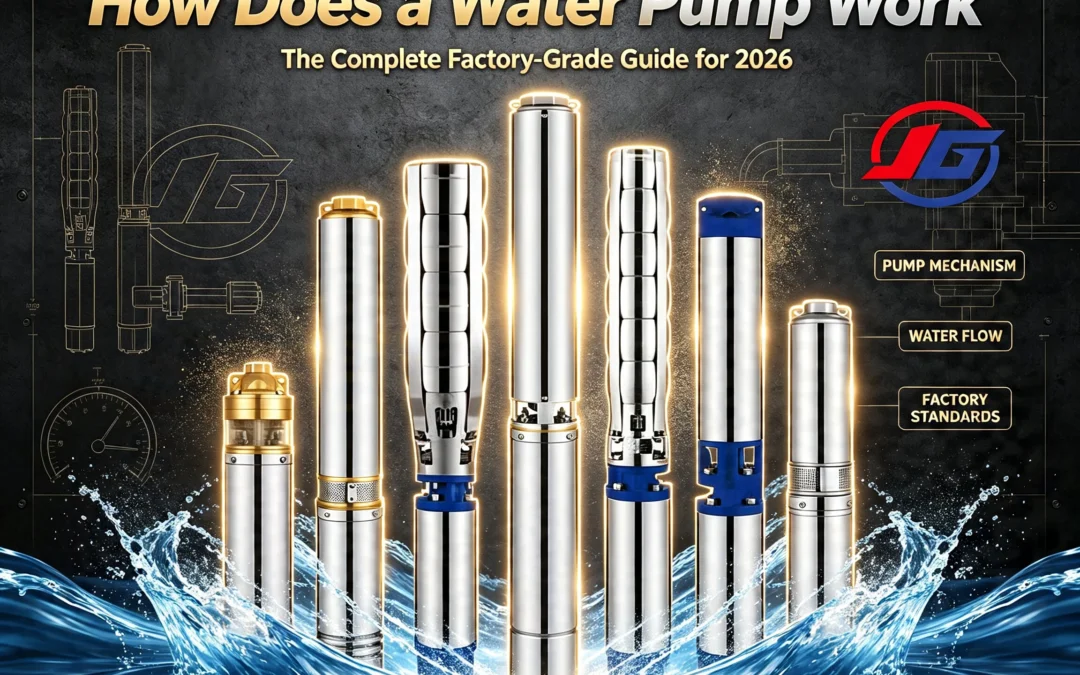
1. Introduction: Demystifying the Heart of Fluid Dynamics
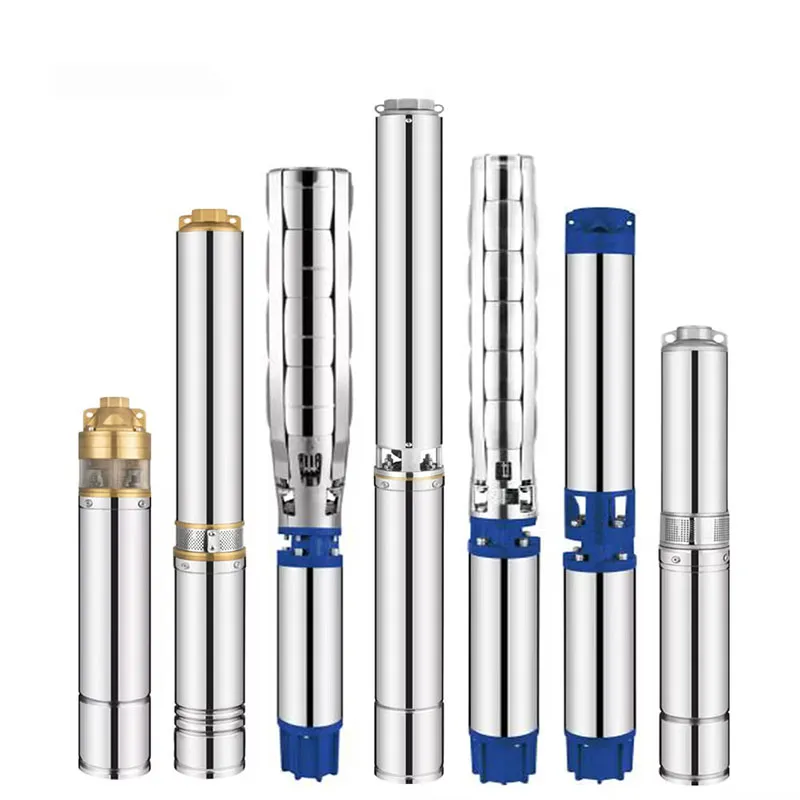
1.1 Defining the Water Pump: More Than Just Moving Water
At its core, a water pump is a mechanical device engineered to move water from one point to another by utilizing energy conversion. As a leading Water Pump manufacturer based in Zhejiang, China, with over a decade of experience serving global markets through platforms like Alibaba and our independent B2B portal, we understand that the definition extends beyond mere mechanics. It involves thermodynamics, fluid dynamics, and material science. When we talk about the water pump definition, we refer to a machine designed to transport fluids—primarily water—by physical or mechanical means. The water pump function varies depending on the context; in agriculture, it is about irrigation; in industry, it is about cooling and processing; in households, it is about boosting pressure for daily comfort. This guide aims to provide a comprehensive understanding of the water pump working principle basics, ensuring that whether you are an engineer, a procurement officer, or an end-user, you grasp the operational logic behind these essential machines.
Understanding what is a water pump requires looking at its role in modern civilization. Without pumps, skyscrapers wouldn’t have running water, farms would fail to irrigate, and industries would halt. At Jingong Technology, our role as a Water Pump manufacturer isn’t just about assembling parts; it’s about solving hydraulic problems. We ensure every unit leaving our facility meets rigorous standards because we know that the reliability of a pump often dictates the reliability of an entire system. This article is built on our extensive experience in the field, combining theoretical knowledge with practical, shop-floor insights to offer you a trustworthy resource.
1.2 User Pain Points: Why Do Pumps Fail and Confuse Users?
From our experience interacting with clients at trade shows and online inquiries, common frustrations often arise from a lack of understanding of basic principles. Questions like “how does a water pump move water?” or “why is my water pump not working?” are frequent. Many users purchase a pump based solely on price or vague recommendations without understanding the specific requirements of their application. This leads to mismatched equipment, premature failure, and operational inefficiencies. For instance, a farmer might buy a centrifugal pump for a high-head application, only to find it cannot push water uphill effectively. Or a homeowner might wonder about water pump operation confusion when their pump runs dry and burns out the mechanical seal.
As a seasoned Water Pump manufacturer, we’ve seen that most water pump working issues stem from installation errors or a misunderstanding of the pump’s limitations regarding suction lift and priming. By delving deep into the mechanics, we aim to empower you to troubleshoot minor issues yourself and make informed decisions when purchasing. We aren’t just selling hardware; we are providing expertise. This guide addresses these pain points directly, translating complex engineering jargon into actionable knowledge.
1.3 Content Roadmap: What You Will Learn
To ensure maximum value and readability, this water pump working guide is structured logically:
- Section 2: We explore the fundamental physics—the heart of how pumps operate.
- Section 3: We dissect the water pump components and function, explaining the role of each part.
- Section 4: We detail the water pump types working principle, focusing on centrifugal, positive displacement, and self-priming variants.
- Section 5: We provide practical maintenance tips to save you money on repairs.
- Section 6: We offer a selection guide tailored to different scenarios, showcasing our range as a Water Pump manufacturer.
- Section 7: We answer frequently asked questions covering various long-tail keywords.
- Section 8: We conclude with a summary and a call to action for those seeking reliable supply partners.
By following this roadmap, you will transition from a novice to a knowledgeable user capable of diagnosing issues and selecting the perfect pump for any task.
2. Basic Principles of Water Pumps: The Physics of Movement
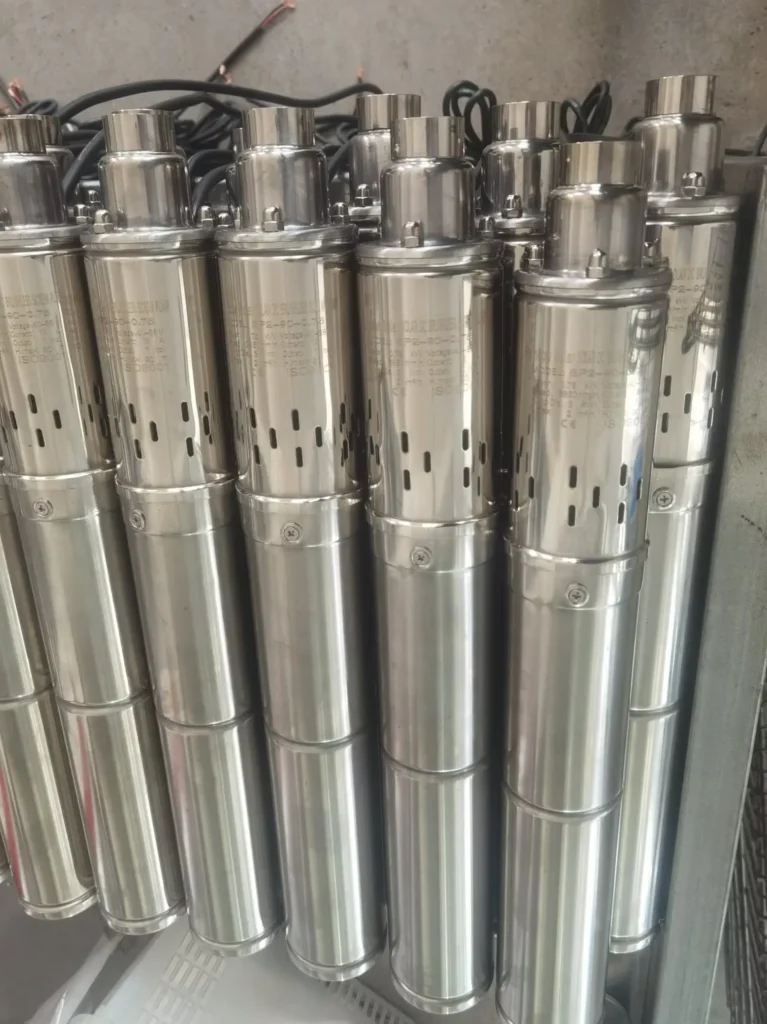
2.1 The Core Working Logic: Suction, Pressurization, and Discharge
The magic of a water pump lies in a continuous cycle of three stages: Suction, Pressurization, and Discharge. Imagine using a syringe; you pull the plunger to create a vacuum (suction), the fluid enters, you push the plunger (pressurization), and the fluid exits (discharge). Most pumps operate on similar principles, albeit mechanically.
The water pump working cycle begins with the creation of a partial vacuum. In a centrifugal pump, this happens when the impeller rotates rapidly. According to Bernoulli’s principle and the laws of atmospheric pressure water pump dynamics, the atmospheric pressure outside the water source pushes the water up into the pump through the inlet (suction pipe) to fill the low-pressure zone created by the spinning impeller. This is the water pump suction and discharge mechanism.
Once inside, the kinetic energy of the rotating impeller transfers to the water. The water is flung outward by centrifugal force water pump action, moving from the center (eye) of the impeller to its outer diameter. As the water moves faster and is forced into a gradually expanding volute casing (the pump housing), velocity is converted into pressure. This is the pressurization phase. Finally, this high-pressure water is forced out through the discharge port. This process repeats thousands of times per minute, creating a steady flow. Understanding the water pump pressure principle is crucial: it’s not that the pump “sucks” water up in a mystical way; rather, it creates a pressure differential that allows atmospheric pressure to do the heavy lifting on the suction side.
2.2 Essential Physics: Head, Flow, Pressure, and Negative Pressure
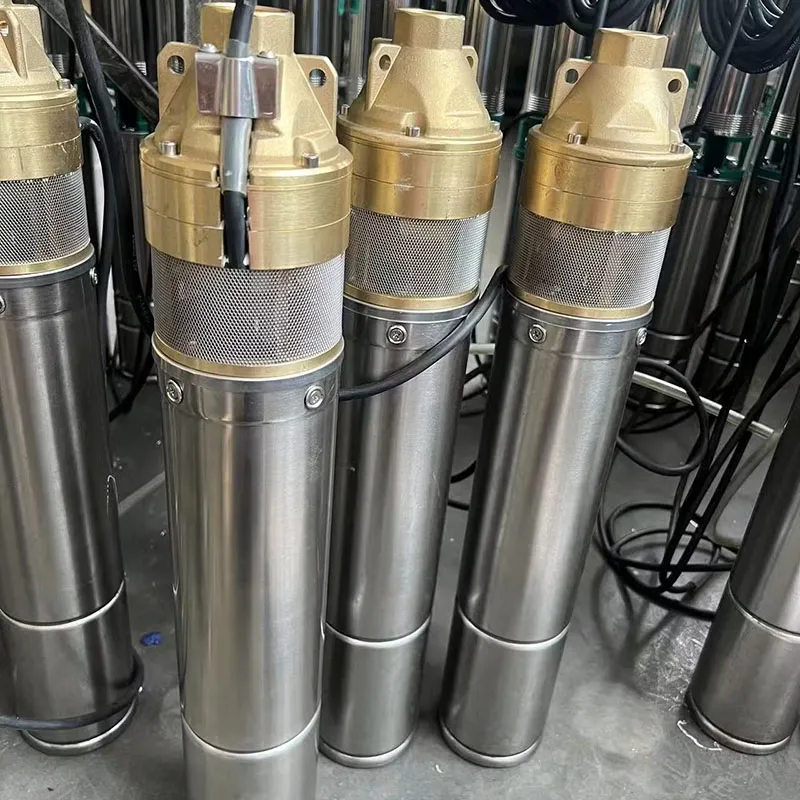
To speak the language of pumps, one must understand the terminology. As a professional Water Pump manufacturer, we insist our clients familiarize themselves with these concepts:
- Head (Water Pump Head): Often misunderstood as pressure, head is actually the height to which a pump can raise water. It is measured in meters or feet. Total Head = Static Head (vertical distance) + Friction Head (loss due to pipe resistance).
- Flow Rate (Water Pump Flow Rate): The volume of water moved per unit of time, typically measured in Liters Per Minute (LPM) or Gallons Per Minute (GPM).
- Negative Pressure (Negative Pressure Water Pump): This refers to the pressure lower than atmospheric pressure inside the pump casing during suction. It is essential for drawing water into the pump.
- Atmospheric Pressure: At sea level, this is approximately 10.33 meters of water column. This is the theoretical maximum “suction lift” for any pump. In reality, due to friction losses and vapor pressure, most standard pumps are limited to a suction lift of about 7-8 meters.
These factors interplay constantly. If you restrict the discharge pipe, flow decreases but pressure increases. If you increase the suction lift beyond the pump’s capacity, it will cavitate or fail to prime. Our expertise as a Water Pump manufacturer ensures that our products are rated accurately according to these physical laws.
2.3 Principle Summary: The Essence of Fluid Transfer
In summary, the water pump core working principle revolves around energy transfer. A motor or engine provides mechanical energy, which the pump converts into hydraulic energy (pressure and flow). The water pump suction pressure is generated internally to allow atmospheric forces to push fluid into the system, while the water pump water delivery principle relies on imparting velocity to the fluid and converting it into usable pressure. Whether it’s a small circulation pump or a massive industrial booster, the underlying physics remains consistent: create a pressure difference, and water will move.
3. Key Components of a Water Pump: Anatomy of Efficiency
3.1 The Power Source: The Muscle Behind the Machine
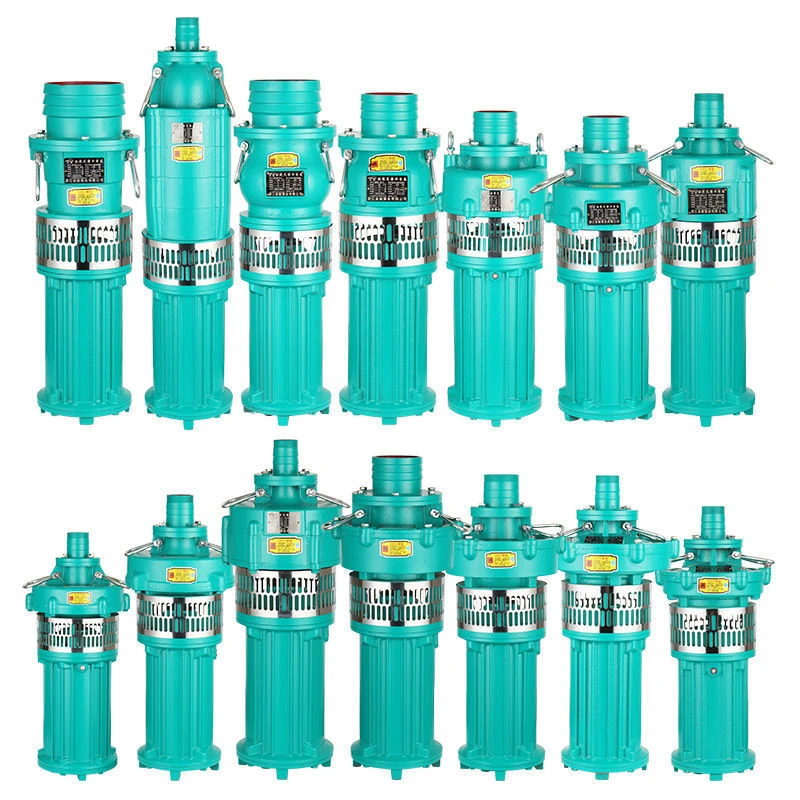
The water pump power source is the prime mover. As a versatile Water Pump manufacturer, Jingong produces pumps powered by various sources:
- Electric Motors: The most common. We utilize high-efficiency copper-wire motors for our water pump motor assemblies. These can be single-phase (220V) for residential use or three-phase (380V) for industrial applications.
- Diesel Engines: Used for high-power applications where electricity is unavailable. Our diesel water pump sets are robust, designed for mining, flood control, and large-scale agriculture.
- Gasoline Engines: Similar to diesel but often smaller and more portable. Ideal for construction sites or emergency backup.
- Solar Power: With the rise of green energy, our solar water pump systems integrate brushless DC motors or VFDs compatible with solar panels, offering sustainable solutions for remote areas.
- Manual: Rare in industrial contexts but used in niche applications.
The choice of power source affects the pump’s efficiency, maintenance needs, and suitability for specific environments (e.g., explosive atmospheres require explosion-proof motors).
3.2 Impeller and Volute: The Dynamic Duo
The water pump impeller is the rotating component that transfers energy to the water. It is the heart of the pump.
- Closed Impellers: High efficiency, used in clean water applications.
- Open/Semi-Open Impellers: Better for handling solids or fibrous materials.
In centrifugal pumps, the design of the centrifugal pump impeller—specifically its curvature and number of vanes—dictates the pump’s performance curve. In contrast, positive displacement pump piston or gears physically trap fluid and force it out. The water pump piston in a reciprocating pump moves back and forth, changing the volume of the chamber. Wear on these components (erosion or corrosion) directly impacts efficiency and is a common cause of water pump not pumping water issues.
3.3 Pump Casing: Protection and Performance
The pump casing (or volute) serves multiple purposes. It collects the water exiting the impeller and guides it to the discharge nozzle. Its spiral shape is designed to slow down the water, converting velocity into pressure efficiently. The pump casing material is critical: Cast Iron is cost-effective and durable for general use; Stainless Steel (304/316) is essential for corrosive liquids or drinking water; Bronze is used in marine environments. As a quality-focused Water Pump manufacturer, we select materials based on the pump’s intended application to ensure longevity. The water pump casing function also includes supporting the bearings and shaft, maintaining alignment, and protecting the internal components from external damage.
3.4 Suction and Discharge Piping: The Vascular System
The water pump suction pipe and water pump discharge pipe are vital. The suction pipe must be airtight; any leak will break the vacuum and prevent priming. The diameter of the pipes matters significantly. A pump pipe size that is too small increases friction losses (reducing Net Positive Suction Head available – NPSHa), potentially causing cavitation. Conversely, a pipe that is too large might be expensive and difficult to install. Optimizing pump pipe efficiency involves balancing cost with hydraulic requirements. We always advise clients to keep suction lines short, straight, and free of unnecessary bends or valves to maximize performance.
3.5 Seals and Bearings: Preventing Leaks and Ensuring Smooth Rotation
Water pump seals are critical for preventing leaks where the shaft exits the casing. Mechanical seals are standard in modern pumps. They consist of a rotating face and a stationary face, held together by spring tension. Failure here leads to drips or floods. Pump seal replacement is a common maintenance task. Bearings support the shaft and allow smooth rotation. Proper lubrication (grease or oil) is essential. Contamination or misalignment leads to overheating and catastrophic failure. Our role as a Water Pump manufacturer includes providing high-quality seals and bearings and educating users on their maintenance schedules.
3.6 Auxiliary Components: Enhancing Safety and Monitoring
Modern pumps often include accessories:
- Water Pump Filter: Installed on the suction side to prevent debris from entering and damaging the impeller.
- Water Pump Pressure Gauge: Allows monitoring of discharge pressure to ensure the pump is operating within its curve.
- Check Valve for Water Pump: Prevents backflow when the pump stops, protecting the impeller and maintaining prime.
- Pressure Switch: Automatically turns the pump on/off based on system pressure (common in booster pumps).
These components enhance the safety, efficiency, and lifespan of the pumping system.
4. Working Mechanisms by Water Pump Types: A Manufacturer’s Breakdown
4.1 Centrifugal Water Pumps: The Industry Workhorse
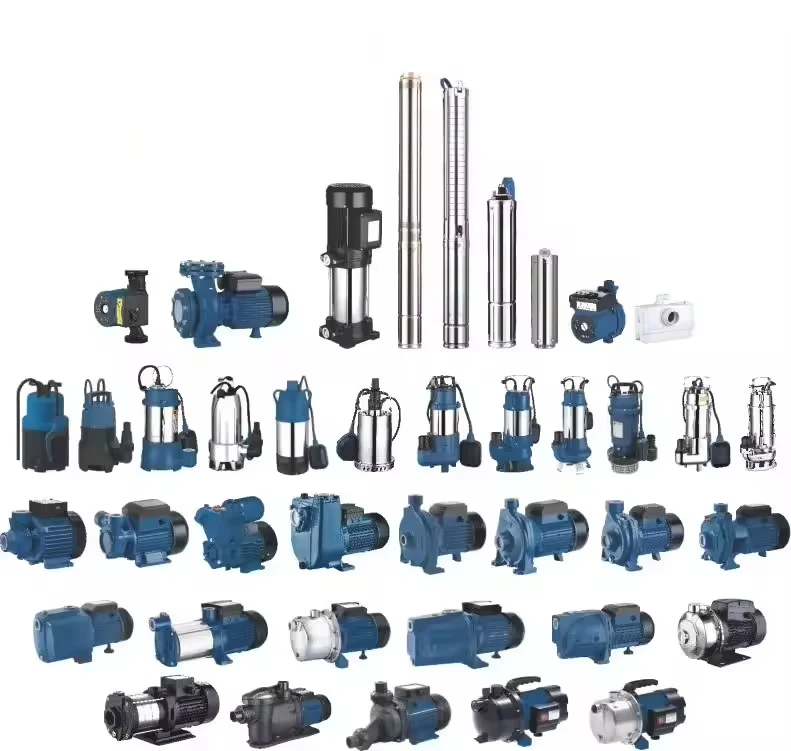
As a prominent Water Pump manufacturer, centrifugal pumps constitute the bulk of our production. The centrifugal water pump working principle is elegant: rotational energy from the impeller is transferred to the fluid.
Step-by-step:
- Priming: The pump casing must be filled with water.
- Impeller Rotation: The motor spins the impeller (typically 1450 or 2900 RPM).
- Centrifugal Force: Water is thrown outward, creating a low-pressure zone at the impeller eye.
- Suction: Atmospheric pressure forces water up the suction pipe to fill the void.
- Discharge: Water flows through the volute, pressure builds, and it exits the discharge port.
We produce various centrifugal pumps, including household centrifugal pump models (JGm series) for domestic pressure boosting and agricultural centrifugal pump models (JG series) for irrigation. Their simplicity, efficiency, and compact size make them ideal for 80% of applications requiring moderate pressure and high flow.
4.2 Positive Displacement Pumps: Precision Under Pressure
Unlike centrifugal pumps that add energy continuously, positive displacement (PD) pumps trap a fixed amount of fluid and force it into the discharge pipe. The positive displacement pump working principle ensures a constant flow regardless of pressure (unlike centrifugal pumps where flow changes with pressure).
- Piston Water Pump Working: A piston moves back, opening an inlet valve and filling the cylinder. It then moves forward, closing the inlet and opening the outlet, pushing water out.
- Gear Water Pump Principle: Interlocking gears rotate, trapping fluid between the teeth and the casing, carrying it from suction to discharge.
- Screw Water Pump Operation: Uses one or more screws to move fluid along the screw threads.
PD pumps are essential for high-viscosity fluids or applications requiring very high pressure (e.g., hydraulic systems, chemical injection). As a technical Water Pump manufacturer, we recommend PD pumps when precise metering or high-pressure output is required.
4.3 Self-Priming Water Pumps: Convenience in Operation
A major complaint we hear as a Water Pump manufacturer is the hassle of manual priming. Self-priming water pump working solves this. These pumps feature a specially designed volute that retains a reservoir of water even when the pump is off. Upon startup, the impeller uses this residual water to create a vacuum, evacuating air from the suction line until water arrives. The self-priming pump advantage is clear: no need to manually fill the pump with water every time it’s started, making it perfect for applications where the water source fluctuates or is inconvenient to access. They are widely used in garden irrigation and dewatering.
4.4 Specialty Pumps: Submersible, Jet, and Solar Solutions
Our product line as a diverse Water Pump manufacturer extends to specialized units:
- Submersible Water Pump Working: Designed to operate underwater. The motor is sealed in an oil-filled or water-filled chamber. Water enters the pump at the bottom, passes through the impeller, and is pushed up the discharge pipe. Since the pump is submerged, there is no suction lift limitation due to atmospheric pressure; the surrounding water pressure aids operation. Ideal for wells, drainage, and sewage.
- Jet Pump Working Principle: Utilizes an ejector (nozzle and venturi) to create a vacuum. Part of the pumped water is recirculated back to the ejector to aid suction. Excellent for shallow or deep wells.
- Solar Water Pump Operation: Integrates a DC brushless motor with a controller. Solar panels provide DC power, which the controller converts to drive the pump. Often includes MPPT (Maximum Power Point Tracking) to optimize energy harvest. Perfect for remote agriculture where grid power is unavailable.
- Diesel/Gasoline Pumps: Replace the electric motor with an internal combustion engine. Crucial for emergency services, construction sites, and agricultural areas lacking electrification.
5. Practical Operation & Maintenance: Prolonging Pump Lifespan

5.1 Pre-Start Checklist: Setting Up for Success
Proper water pump start preparation prevents 90% of failures. Before flipping the switch:
- Priming: Ensure the pump casing is full of water (unless self-priming).
- Valve Check: Open the suction valve fully. Open the discharge valve partially (for centrifugal pumps) or fully (for PD pumps).
- Alignment: Check coupling alignment if applicable.
- Lubrication: Verify bearing grease levels.
- Rotation: Manually rotate the shaft to ensure it spins freely.
- Electrical: Confirm voltage matches motor specifications.
This water pump pre-start check routine is standard procedure for any reputable Water Pump manufacturer and should be adopted by all users.
5.2 Daily Operation Monitoring: The Early Warning System
During water pump daily operation, vigilance is key. Monitor:
- Pressure Gauges: Sudden drops indicate leaks or cavitation; spikes indicate blockages.
- Ammeter: High current draw suggests mechanical binding or hydraulic overload.
- Noise and Vibration: Water pump abnormal noise (grinding, squealing) often precedes failure. Compare current vibration levels to baseline.
- Temperature: Overheating bearings or motors signal trouble.
Addressing these signs early saves costly downtime. Our technical team at Jingong always emphasizes that a pump “talking” to you through noise should never be ignored.
5.4 Troubleshooting Common Issues: From Symptoms to Solutions
Effective water pump troubleshooting relies on understanding symptoms:
- Water Pump Not Pumping Water: Causes: Air leak in suction, insufficient prime, clogged impeller, worn seals, incorrect rotation. Solution: Check for leaks, re-prime, clean impeller.
- Water Pump Low Pressure: Causes: Worn impeller, excessive clearance, air leakage, wrong speed. Solution: Adjust clearances, replace wear rings, verify motor RPM.
- Overheating: Causes: Running dry, blocked suction, misalignment. Solution: Shut down immediately, check water supply, realign.
These water pump repair tips are derived from years of field service data collected by our engineers. Remember, safety first—always disconnect power before inspecting.
5.4 Scheduled Maintenance: The Path to Longevity
A proactive water pump maintenance cycle depends on usage:
- Daily: Visual inspection, check for leaks, monitor gauges.
- Monthly: Grease bearings (if applicable), check for unusual vibrations.
- Quarterly: Inspect and clean filters, check coupling condition.
- Annually: Overhaul mechanical seals, inspect impeller for erosion, test motor windings, change oil in gearboxes or engines.
The water pump cleaning method usually involves fresh water flushing to remove sediment. For water pump component replacement, always use OEM parts from your Water Pump manufacturer to ensure compatibility and warranty compliance.
6. Application Scenarios & Product Selection Guide
6.1 Matching Pumps to Applications: A Strategic Approach
Selecting the right pump is a strategic decision. Here’s how we guide clients at Jingong:
- Household Water Supply: Requires quiet operation and consistent pressure. Our booster pump series (e.g., automatic variable frequency drives) are ideal. Keywords: household water pump use.
- Agricultural Irrigation: Needs high flow rates and durability against debris. Our agricultural centrifugal pump and solar water pump ranges excel here. Keywords: agricultural irrigation water pump.
- Industrial Processes: May require chemical resistance, high pressure, or specific flow rates. Stainless steel centrifugal or PD pumps are typical. Keywords: industrial water pump application.
- Construction & Mining: Requires ruggedness and portability. Diesel engine driven pumps are the standard.
- Wastewater Management: Requires non-clogging impellers. Submersible sewage pumps are necessary.
Each water pump application scenario demands a specific hydraulic profile.
6.2 Selection Principles: Head, Flow, and Media
Our water pump selection guide hinges on three pillars:
- Hydraulic Requirements: Calculate Total Dynamic Head (TDH) and required Flow Rate. Never guess—measure or calculate accurately.
- Fluid Characteristics: Consider viscosity, temperature, pH (acidity/alkalinity), and solid content. A standard cast iron pump will fail quickly if used with seawater (corrosion) or thick oil (viscosity).
- Environmental Conditions: Ambient temperature, altitude, and presence of flammable gases influence motor and material choices.
As an expert Water Pump manufacturer, we use Pump Selection Software (PSS) to overlay system curves with pump curves, ensuring the operating point (intersection) is near the pump’s Best Efficiency Point (BEP). This water pump head flow selection process is scientific, not arbitrary.
6.3 Avoiding Selection Pitfalls: Common Mistakes to Dodge
Many water pump selection mistakes occur due to oversimplification:
- Mistake 1: Oversizing. Buying a pump with far more capacity than needed. This leads to operation away from BEP, causing vibration, cavitation, and energy waste.
- Mistake 2: Ignoring NPSH. Not checking if the pump has enough Net Positive Suction Head available. This guarantees cavitation and impeller damage.
- Mistake 3: Neglecting Material Compatibility. Using a cheap pump for corrosive liquids to save initial cost, resulting in rapid failure and higher total cost of ownership.
- Mistake 4: Overlooking Future Expansion. Installing a pump that meets today’s needs but cannot handle tomorrow’s increased demand.
Avoiding these water pump selection pitfalls is where the expertise of a seasoned Water Pump manufacturer like Jingong becomes invaluable. We don’t just sell; we consult.
7. Frequently Asked Questions (FAQs)
7.1 How does a water pump work without electricity?
Pumps can operate using alternative power sources such as diesel engines, gasoline engines, or solar panels. As a comprehensive Water Pump manufacturer, Jingong specializes in solar-powered pumps and engine-driven pumps specifically for areas lacking reliable grid electricity.
7.2 Can a water pump run dry?
Generally, no. Most centrifugal and positive displacement pumps rely on the pumped fluid for cooling and lubrication (especially mechanical seals). Running dry, even for a few minutes, can cause irreversible damage. However, some specialized pumps (like certain diaphragm pumps) are self-priming and can run dry briefly. Always check the manufacturer’s specifications.
7.3 Why is my water pump making noise?
Water pump abnormal noise can stem from several issues: cavitation (gravelly sound), worn bearings (grinding/squealing), misalignment (vibration), or entrained air (gurgling). Identifying the sound type is the first step in water pump troubleshooting.
7.4 How to increase water pump pressure?
You can increase pressure by: 1) Reducing restrictions in suction/discharge piping, 2) Trimming the impeller (increasing diameter slightly, if possible), 3) Increasing motor speed (within safe limits), or 4) Installing a pressure booster pump in series. Consult your Water Pump manufacturer before making mechanical changes.
7.5 What is the difference between a centrifugal and a positive displacement pump?
Centrifugal pumps use rotational energy (impeller) to impart velocity to fluid, converting it to pressure; flow varies with pressure. Positive displacement pumps trap fluid and force it out mechanically (piston, gear, screw); flow is constant regardless of pressure. Centrifugal pumps are for high flow/low pressure; PD pumps are for low flow/high pressure.
7.6 How long can a water pump run continuously?
This depends on the pump’s duty cycle rating. Industrial-grade pumps from a reputable Water Pump manufacturer like Jingong are often designed for continuous duty (24/7) provided they are cooled properly and maintained. Residential pumps might have intermittent duty cycles. Always refer to the technical datasheet.
7.7 What causes a water pump to lose its prime?
Air leaks in the suction line (loose fittings, cracked pipes), a failed foot valve (check valve), or a dry seal are common culprits. Self-priming pumps mitigate this issue by retaining water in the casing.
7.8 What is cavitation in a water pump?
Cavitation occurs when the pressure at the pump inlet drops below the vapor pressure of the liquid, forming vapor bubbles. These bubbles collapse violently when they reach higher pressure zones, causing pitting on the impeller and noise/vibration. It’s a major cause of pump damage.
7.9 How do I choose the right size water pump?
“Right size” means matching the pump’s performance curve to your system’s requirements (Total Head and Flow Rate). Use a water pump selection guide or consult with an engineer. Oversizing wastes energy; undersizing fails to meet demand.
7.10 Are solar water pumps worth it?
For remote locations without grid access, absolutely. While the initial investment is higher, the operational cost is virtually zero (free sun energy). They are environmentally friendly and require less maintenance than diesel pumps. As a forward-thinking Water Pump manufacturer, we highly recommend them for sustainable agriculture.
7.11 What maintenance does a submersible pump need?
Since they are underwater, maintenance is less frequent but more complex. It involves periodic checks of electrical insulation, cleaning intake screens, and eventually replacing worn-out mechanical seals or bearings. They should be pulled from the well for thorough inspection every 1-2 years.
7.12 Why is my pump vibrating excessively?
Common causes include imbalance in the impeller, misalignment between motor and pump shafts, loose foundation bolts, or cavitation. Excessive vibration leads to premature bearing and seal failure.
7.13 What is the best material for a water pump casing?
It depends on the application. Cast Iron is economical for clean, ambient temperature water. Stainless Steel (304/316) is best for corrosive water, seawater, or potable water. Bronze is excellent for marine use. Plastic (PP/PVDF) is used for highly aggressive chemicals.
7.14 How do I calculate the horsepower needed for my pump?
Use the formula: HP = (Flow Rate in GPM * Total Head in Feet) / (3960 * Pump Efficiency). It’s advisable to add a safety margin (10-15%). Your Water Pump manufacturer can perform this calculation for you.
7.15 Where can I find a reliable Water Pump manufacturer?
Look for manufacturers with proven industry experience, certifications (ISO, CE), positive customer reviews, and transparent communication. Companies like Jingong Technology, with a strong presence on Alibaba, Made-in-China, and a professional independent website, are good candidates. Ensure they offer technical support and warranties.
8. Conclusion: Partnering with the Right Water Pump Manufacturer
8.1 Recap: Mastering the Mechanics
We’ve journeyed from the basic physics of atmospheric pressure and centrifugal force to the intricate details of impellers, casings, and seals. We’ve explored the nuances of centrifugal versus positive displacement, the convenience of self-priming designs, and the innovation behind solar and submersible technologies. The water pump working principle summary reinforces that these devices are marvels of engineering, converting raw energy into the lifeblood of modern infrastructure—moving water reliably and efficiently.
8.2 Your Next Step: From Knowledge to Action
Knowledge is power, but application is success. If you are looking for a dependable partner to supply high-quality pumps for your business or project, look no further. As a premier Water Pump manufacturer, Jingong Technology combines decades of engineering expertise with state-of-the-art manufacturing facilities in Zhejiang. We offer a comprehensive range including booster pumps, submersible pumps, centrifugal pumps, solar pumps, and diesel/gasoline engine pumps. We don’t just sell products; we provide solutions backed by robust R&D and responsive after-sales service. Whether you need a single unit for a special project or bulk supply for distribution, our team is ready to assist. Contact us today for a personalized water pump recommendation or to request a quote. Let our expertise drive your success.
8.3 Authoritative Note: Our Commitment to Quality
This guide represents the collective knowledge of the Jingong engineering team. As a trusted Water Pump manufacturer, we are committed to transparency and education. All information herein is based on established fluid dynamics principles, industry standards (such as those from the Hydraulic Institute), and our own extensive field experience. We encourage you to use this guide as a reference, but remember that specific applications may require customized solutions. For complex scenarios, always seek professional water pump consultation. Thank you for reading, and we look forward to powering your projects with precision-engineered pumping solutions.