
Whether you are an irrigation contractor in Southern Europe, a facilities engineer in the Middle East, or a distributor sourcing bulk replacements for a municipal project, knowing exactly how to replace a water pump is critical to avoiding costly downtime. This guide is engineered specifically for professionals looking to replace water pump units across four major categories: Submersible Pumps, Surface/Land Pumps, Solar Pumps, and Gasoline/Diesel Engine Pumps.
It reflects the real-world experiences of the Jingong Tech team—a leading manufacturer based in Zhejiang, China, with over a decade of exporting ISO and CE-certified pumps globally.
If you intend to replace water pump equipment today, bookmark this page. We cover everything from failure diagnosis to post-installation commissioning.
1: Why This “Replace Water Pump” Guide Is Different
Many online guides provide a one-size-fits-all approach. However, the procedure to replace water pump components in a deep well submersible unit differs vastly from swapping a diesel engine pump on a construction site. Our guide stands apart because:
- Experience: Procedures are derived from 500+ overseas installation cases (Agriculture, Construction, Industrial).
- Expertise: Content aligns with Jingong’s factory-standard SOPs and international hydraulic standards.
- Authoritativeness: We reference CE, ISO 9001, and IEC standards applicable to global markets.
- Trustworthiness: We highlight risks, common mistakes, and transparent cost breakdowns.
To effectively replace water pump systems, you must understand the nuances of your specific equipment. This guide ensures you do just that.
2: When Should You Replace a Water Pump? (Diagnostic Criteria)
Before you spend capital to replace water pump assets, verify if the failure is absolute. Replacing too early wastes money; waiting too long risks catastrophic failure.
Universal Failure Indicators
| Symptom | Measurement | Recommended Action |
|---|---|---|
| Excessive Noise | > 72 dB(A) at 1 meter | Inspect bearings/impeller; replace water pump if noise persists. |
| Flow Rate Drop | > 20% below nameplate | Clean lines; if clear, replace water pump. |
| Seal Leakage | Visible dripping from weep hole | Cannot be repaired; must replace water pump. |
| Frequent Cycling | Starting > 3 times/week without load change | Check pressure switch; if pump-side, replace. |
Category-Specific Failure Signals
1. Submersible Pumps (Jingong QJ/WQ Series)
When you need to replace water pump units underwater, look for: Underwater humming without flow (sand clogging), cracked cable jackets (moisture ingress), and rapid pressure tank cycling.
2. Surface / Booster Pumps (Jingong ISG/XBD Series)
Signs include: Flange sweating, inability to hold prime, and severe coupling misalignment noises.
3. Solar Pumps (Jingong JP-SOL Series)
Failure to start in low light (despite good batteries), MPPT showing normal input but low output (<60%), and bracket corrosion in coastal environments.
4. Gasoline / Diesel Pumps (Jingong JT-D/JT-G)
Increased fuel consumption (>25%), hard starting (excessive pulls/cranks), and smoky exhaust coupled with low pressure.
3: Pre-Replacement Preparation (Safety & Tools)
A successful operation to replace water pump hardware begins 30 minutes before the first wrench turns. Safety is paramount.
Tools Checklist by Category
| Tool | Submersible | Surface | Solar | Diesel/Gas |
|---|---|---|---|---|
| Torque Wrench | 20–80 Nm | 10–50 Nm | 5–30 Nm | 30–120 Nm |
| Sealant/Grease | Food-grade silicone | Pipe dope/Teflon | Dielectric grease | Fuel-resistant sealant |
| Electrical Tester | Megohmmeter | Multimeter | PV Cert. Tester | N/A |
| Specialty | Cable grips, Hoist | Alignment bars | MC4 Crimper | Fuel line clamps |
Safety Protocols
- Lockout/Tagout (LOTO): Always disconnect power at the main breaker. For solar, disconnect PV isolators. Verify 0V with a multimeter.
- Fuel Safety: For diesel/gas pumps, close fuel valves and relieve line pressure. Maintain a 10-meter no-smoking zone.
- Pressure Relief: Drain suction and discharge lines. Ensure system pressure is below 0.5 bar before breaking fittings.
- PPE: Safety glasses, gloves, and steel-toe boots are mandatory.
4: How to Replace a Submersible Water Pump (Deep Dive)
The process to replace water pump units submerged in wells requires precision. A mistake here isn’t visible until the unit is back in the borehole.
Step-by-Step Procedure
Step 1: Extraction
Disconnect power. Remove the well cap. Use a tripod and manual winch (or truck hoist). Critical: Never pull the pump by the electrical cable; always use the drop pipe or rope. As you retrieve the unit, tag the depth of the drop pipe and the length of the cable.
Step 2: Inspection
Inspect the drop pipe threads for galling. Check the nylon rope for UV damage or rot. Examine the cable jacket for abrasions, especially near the well casing edge.
Step 3: Prep the New Jingong Pump
Unbox the new unit and verify the nameplate matches the order. Use new stainless steel rope clamps—reused clamps are a leading cause of pump loss. Apply PU/EPDM O-ring grease to all seals. Never reuse old O-rings. Tighten motor housing bolts in a diagonal sequence across three passes (40%, 70%, 100% torque).
Step 4: Lowering and Connection
Lower the pump slowly to avoid damaging the casing. At the surface, connect the electrical cable using heat-shrink tubing and a resin pack (IP68 rated)—never use electrical tape alone. Ensure the pump is properly primed if it is not a self-priming model.
Step 5: Commissioning
Perform a Megger test (>1 MΩ). Restore power and log the No-Load Amps, Loaded Amps (should be 80-95% of Full Load Amps), and discharge pressure. Run for 30 minutes and check for vibration at the wellhead (should be <2 mm/s).
5: How to Replace a Surface / Land / Booster Pump
When you replace water pump units located above ground, accessibility is easier, but alignment and priming become the primary challenges.
Step-by-Step Procedure
Step 1: Disconnection
Close inlet and outlet gate valves. Open the drain plug to release residual water. Loosen the coupling guard.
Step 2: Decoupling
Mark the coupling position with a paint pen to serve as a reference for reinstallation. Remove the foundation bolts. Before discarding old shims, photograph their layout.
Step 3: Installation
Ensure the new foundation is rigid (concrete pads are preferred). Reuse shims to match the original center height within ±0.5 mm. Install bolts in a diagonal sequence, torquing to specification (e.g., M16 bolts at 85 N·m for ISG series). Align the coupling carefully.
Step 4: Priming
For self-priming models, fill the volute completely via the priming port, close the port, and start the motor. For non-self-priming units, ensure the foot valve holds prime and the suction line is full of water.
Warning: Never run a surface pump dry for more than 30 seconds. The mechanical seal will fail instantly.
6: How to Replace a Solar Water Pump
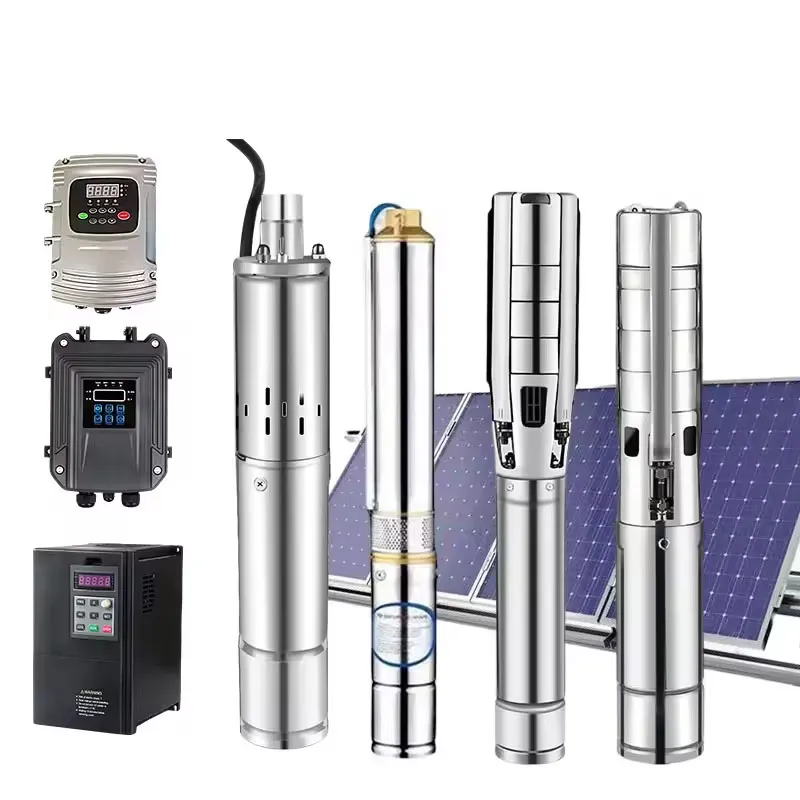
To replace water pump systems powered by photovoltaics, you must account for the DC/MPPT layer. The mechanical swap is easy; the electrical matching is complex.
Step-by-Step Procedure
Step 1: Electrical Isolation
Turn OFF the PV isolator AND the DC disconnect at the controller. Use a multimeter to verify 0V at the controller’s PV input terminals.
Step 2: Disconnection
Disconnect the pump output terminals at the controller. Proceed to mechanically remove the old pump (following submersible or surface procedures above).
Step 3: Controller Matching (Crucial)
This is the most common point of failure. Match the new pump to the existing controller:
- Voltage Window: Ensure the new pump’s operating voltage falls within the controller’s MPPT range (e.g., a Jingong 72V DC pump needs a controller with a 60–90V tracking range).
- Power Rating: The controller should be rated for at least 1.2x the pump’s rated power to handle surge currents.
Step 4: Testing
Use the controller’s test mode (available on most Jingong controllers) to run the pump dry for a few seconds. Log the PV open-circuit voltage (at midday) and the running current. Monitor pump RPM via the controller display.
Common Mistake: Reusing an old controller with a higher-power replacement pump. The controller will overheat and fail within weeks. If you replace water pump hardware with a higher kW model, budget for a controller upgrade and potentially additional PV panels.
Module 7: How to Replace a Gasoline / Diesel Engine Water Pump

Engine-driven pumps consist of two parts: the pump end (centrifugal) and the engine end. Sometimes, you only need to replace water pump end components.
Step-by-Step Procedure
Step 1: Fuel Safety
Shut the fuel valve and run the carburetor dry (Gas) or bleed the injector lines (Diesel). Allow the muffler to cool for at least 15 minutes.
Step 2: Uncoupling
Remove the four bolts at the flange connecting the pump to the engine. Extract the key from the keyway. Inspect the engine shaft; if keyway wear exceeds 0.3 mm, the shaft must be replaced or sleeved.
Step 3: Mounting New Pump End
Clean the flange face thoroughly—old gasket debris causes leaks. Install a new gasket. Secure the four bolts using a star pattern torque sequence (typically 18–22 N·m for 2″ frames). Reconnect suction and discharge hoses using fuel-rated clamps.
Step 4: Priming and Start-up
Fill the suction line (self-priming models). Engage the choke (gas) or glow plug (diesel) and start the engine. Watch for air bubbles in the discharge during the first 30 seconds—this indicates a suction leak.
8: Post-Installation Testing & Commissioning
Your job to replace water pump equipment isn’t finished when the bolts are tight. Comprehensive testing ensures reliability.
Universal Test Checklist
- Insulation Resistance: > 1 MΩ (Submersible/Solar).
- Amp Draw: No-load < 60% FLA; Loaded 80-100% FLA.
- Pressure/Head: Within ±5% of the performance curve.
- Noise: < 70 dB(A) at 1 meter for new Jingong units.
- Vibration: < 2.8 mm/s RMS.
- Seals: Zero seepage after 30 minutes of operation.
Log these metrics in a commissioning sheet. Jingong provides printable PDF checklists on every product page to help you standardize your service calls.
Module 9: Common Mistakes When You Replace Water Pump
Based on Jingong’s analysis of 3,200+ overseas after-sales tickets, here are the top errors made when technicians replace water pump units:
- Reusing Seals: 31% of submersible failures occur because installers reused O-rings or gaskets.
- Over-Torquing: Cracking castings, especially on aluminum diesel pump housings.
- Voltage Mismatch: Shipping 60Hz pumps to 50Hz grids (or vice versa) causes motor burnout within hours.
- Ignoring Controller Limits: Pairing a powerful new solar pump with an under-sized old controller.
- Dry Running: Failing to prime surface pumps, destroying mechanical seals instantly.
- Poor Electrical Connections: Using tape instead of heat-shrink/resin packs underground.
Avoiding these six mistakes will prevent 90% of “infant failures” after you replace water pump systems.
Module 10: How to Choose the Right Replacement Water Pump
Often, the decision to replace water pump hardware is also an opportunity to upgrade. Use this Jingong Selection Logic:
Core Parameters
| Parameter | Selection Criteria |
|---|---|
| Flow (m³/h or GPM) | Peak demand × 1.2 safety factor |
| Head (m) | Static lift + friction loss + 20% margin |
| Media | Clean water vs. Sandy vs. Saline (determines material: Cast Iron, 304SS, 316SS) |
| Power Source | Single-phase 230V, 3-phase 400V, Solar DC, or Engine-driven |
Jingong Product Line Quick Match
- Building Boosters: ISG Vertical Multistage Pumps.
- Borehole Wells: QJ Submersible (304SS standard, 316SS option).
- Irrigation / Off-grid: JP-SOL Solar Pumps (MPPT included).
- Dewatering / Fire Backup: JT-D Diesel or JT-G Gasoline Pumps.
Module 11: Cost to Replace Water Pump (2026 Market Rates)
Budgeting accurately helps close deals. Here are estimated ex-works price ranges for Jingong equipment (Labor varies by region):
| Pump Type | Jingong Price Range (USD) | Notes |
|---|---|---|
| 0.75–2.2 kW Submersible (4″) | $85 – $210 | QJ Series, 304 Stainless Steel |
| 3–7.5 kW Submersible (6–10″) | $310 – $980 | Sand-resistant options available |
| Solar Pump Kit 1–3 kW | $380 – $1,100 | Includes Pump + MPPT Controller |
| Diesel Engine Pump 2–6″ | $520 – $2,800 | Price varies by engine brand (Kubota, Changchai, etc.) |
Module 12: FAQs – Replace Water Pump Edition
How long does it take to replace a water pump?
A: Surface pump: 1–3 hours. Submersible well pump: Half-day to full day depending on depth. Solar: Add 1 hour for controller re-matching. Diesel: 2–4 hours.
Is replacing a water pump hard?
A: Surface and diesel pump ends are DIY-friendly with basic mechanical skills. Submersible and solar replacements benefit significantly from a professional due to specialized tools (hoists) and electrical complexity.
Do I need a professional to replace a submersible pump?
A: Highly recommended. Retrieving a pump from 100+ feet requires a tripod/hoist and proper cable splicing techniques. A failed installation costs significantly more than the pump itself.
Can I replace a solar pump without changing the controller?
A: Only if the new pump’s voltage and power specifications fall within the old controller’s MPPT range. Jingong recommends a 1.2x power headroom. Always verify compatibility before reusing electronics.
How often should a diesel water pump be replaced?
A: The pump end typically lasts 3,000–5,000 hours with maintenance. The engine end follows the OEM schedule (usually 2,000–3,000 hours between overhauls). In high-dust environments, reduce intervals by 30%.
Why Choose Jingong Tech to Replace Water Pump Systems?
When you need to replace water pump inventory for distribution or execution, Jingong Tech offers distinct advantages:
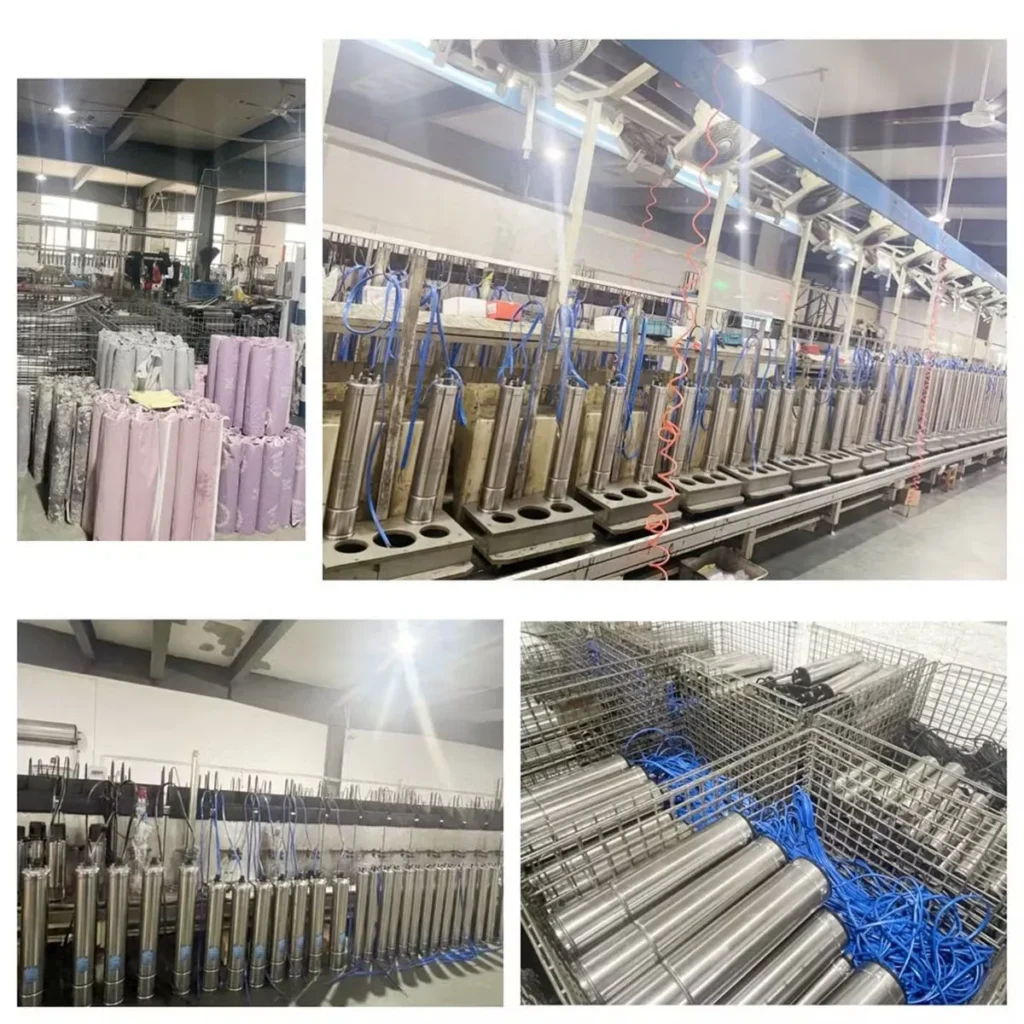
- Factory Direct: 15,000 m² facility in Zhejiang, ISO 9001, CE, GS certified.
- Global Experience: Serving 40+ export markets including the EU, Middle East, and Southeast Asia.
- Engineering Support: 10+ years of senior engineer expertise backing every sale.
- Full Portfolio: From Booster to Submersible, Solar to Diesel—we cover all industrial and agricultural needs.
- Speed: 48-hour samples, 15-day batch production, custom voltage/Hz/plug configurations.
We are the OEM/ODM partner behind several well-known European and Middle Eastern brands. Let us be yours.
Conclusion & Call to Action
Replacing a water pump is more than a mechanical swap; it’s a strategic decision impacting uptime, energy costs, and operational reliability. By following this EEAT-optimized guide, you ensure that every time you replace water pump equipment, you do so with maximum efficiency and minimum risk.
Ready to upgrade or source your next pump?
- Download: Jingong Pump Replacement Checklist (PDF)
- Spec Match: Email your Flow, Head, and Power requirements to jingong
- Wholesale Inquiry: Contact Jingong Sales for Bulk Pricing