
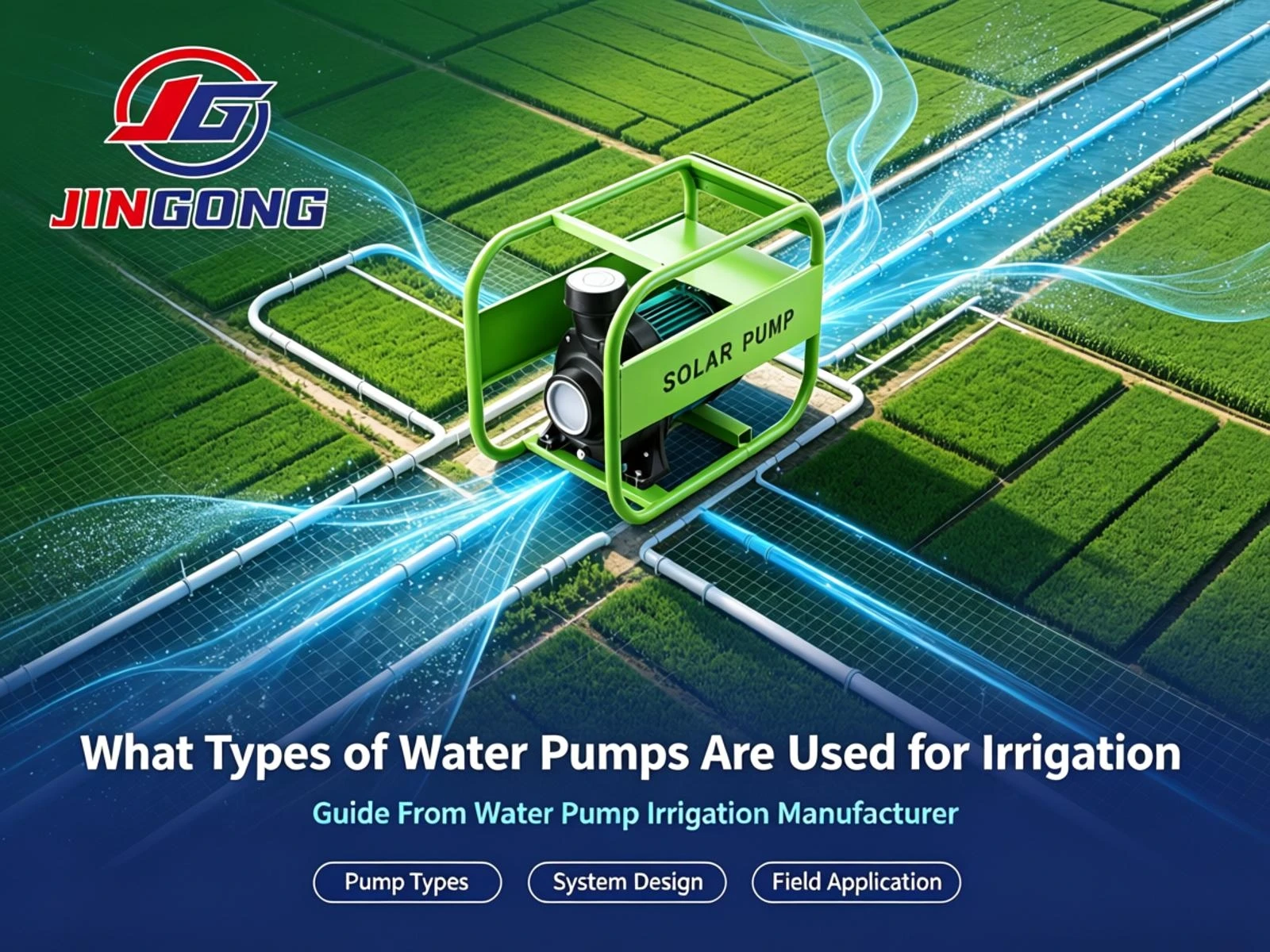
As a professional Type Water Pump Irrigation manufacturer, we have spent decades engineering, exporting and field-testing agricultural pumping systems across diverse terrains—from deep-well farms in North China plains to off-grid orchards in Africa and Southeast Asia. One truth stands out: choosing the wrong irrigation pump is the single most expensive mistake a farm operator can make. Underperforming flow, excessive energy bills, frequent breakdowns and sky-high maintenance costs almost always trace back to a single root cause—the pump type was not matched to the water source, terrain and power condition.
This definitive guide is written for overseas B2B buyers, farm project contractors, agricultural distributors and procurement specialists who need an authoritative, technically accurate resource on what types of water pumps are used for irrigation. Throughout this article, our identity as a Type Water Pump Irrigation manufacturer means every recommendation is grounded in real-world deployment data, not textbook theory.
Why This Guide Matters: The Hidden Cost of Wrong Pump Selection
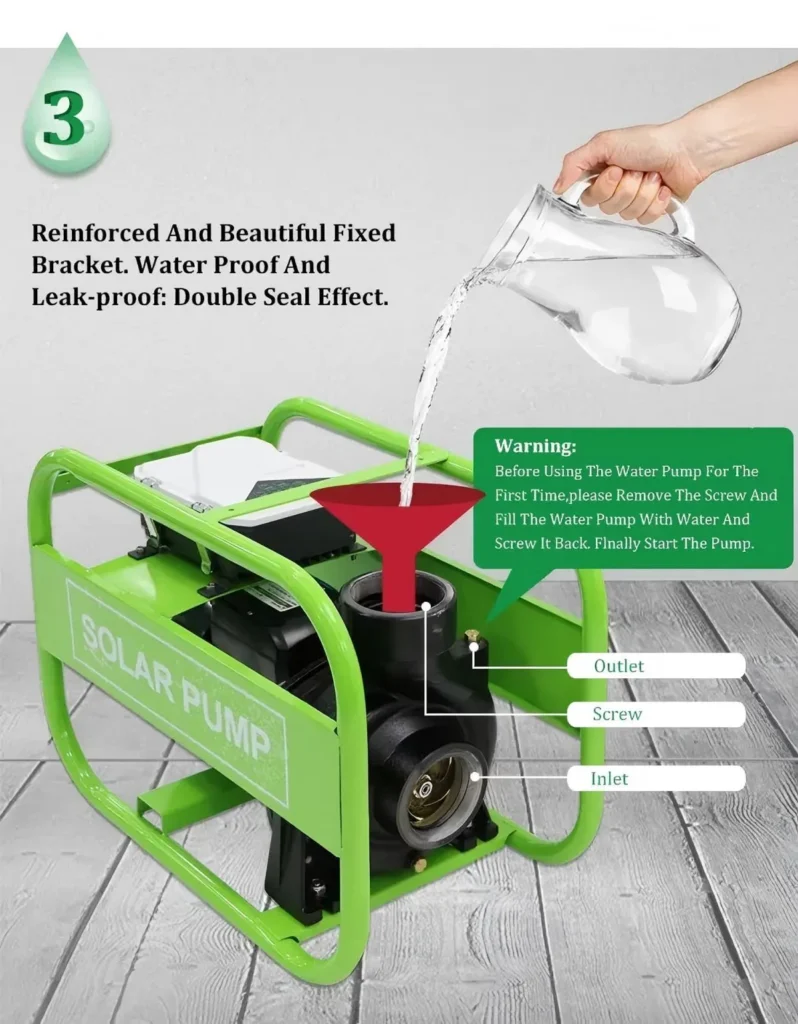
Agricultural irrigation is the lifeblood of farming operations worldwide. Whether you manage a small family vegetable garden, a medium-sized orchard, or a large commercial plantation spanning hundreds of hectares, your water pumps for agricultural irrigation sit at the very heart of your operation’s productivity.
The market pain points are consistent across continents:
- Insufficient water output – the pump cannot deliver the required flow rate to cover the irrigation area, causing crop stress during critical growth stages.
- Excessive energy consumption – oversized or mismatched pumps burn electricity, diesel or gasoline far beyond what the duty cycle requires.
- Frequent breakdowns – installing a surface pump for a deep-well application leads to cavitation, motor burnout and premature failure.
- High maintenance overhead – wrong material selection in corrosive or sandy water accelerates impeller wear, seal leakage and costly downtime.
As a trusted Type Water Pump Irrigation manufacturer, we have engineered this guide to help you answer four critical questions before you ever issue a purchase order:
- Which pump is best for irrigation given my specific water source?
- How do I choose an irrigation water pump that matches my terrain and power availability?
- What are the agricultural water pump types and their trade-offs?
- Where can I find a reliable Type Water Pump Irrigation manufacturer that offers OEM/ODM customization and global after-sales support?
In the following sections, we will dissect every major type water pump irrigation category, compare their pros and cons, and give you a step-by-step irrigation pump selection guide used by our own engineering team.
📌 Looking for the full range of agricultural irrigation pumps from a certified Type Water Pump Irrigation manufacturer? Explore our product hub for submersible, surface, solar and fuel-driven models.
Core Classification of Irrigation Pumps: A Three-Dimensional Framework
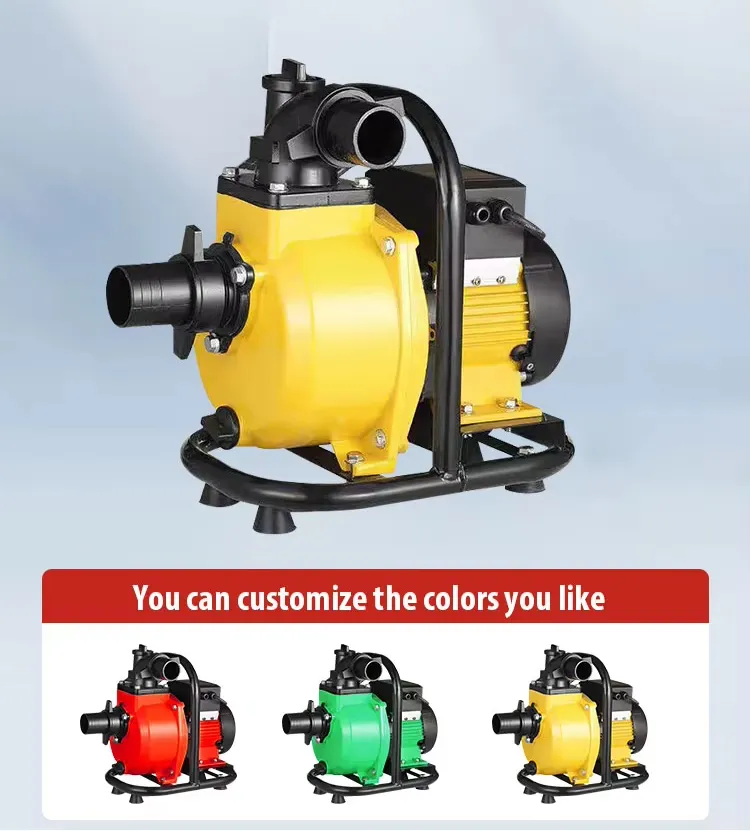
To build true technical clarity, a professional Type Water Pump Irrigation manufacturer classifies irrigation pumps along three dimensions: installation location, power source, and application scenario. This framework underpins all types of irrigation pumps recognized in international agricultural engineering standards.
Dimension 1: By Installation Location
| Installation Type | Typical Use Case | Key Advantage |
|---|---|---|
| Submersible Pumps | Deep wells, boreholes, ponds, reservoirs, groundwater extraction | Operates fully underwater, no suction issues, silent running, high efficiency in deep-lift applications |
| Surface Pumps | Rivers, lakes, canals, shallow water bodies, sprinkler systems on flat farmland | Easy installation above ground, simple maintenance, self-priming options available |
Dimension 2: By Power Source
| Power Source | Suitable Environment | Long-term Cost Profile |
|---|---|---|
| Solar Irrigation Pumps | Off-grid remote farms, African/Southeast Asian/SAmerican plantations, hilly orchards | Zero fuel/electricity bill, government subsidy eligible, 10+ year ROI |
| Gasoline & Diesel Pumps | Mobile irrigation, emergency drought relief, land reclamation, temporary sites | Higher fuel cost but unmatched portability and independence from any grid |
| Electric Pumps (Grid-powered) | Farms with stable electricity access | Low operating cost, clean, but dependent on grid reliability |
Dimension 3: By Application Scenario
The combination of the above dimensions yields a complete matrix covering every real-world irrigation scenario:
- Deep-well groundwater extraction → Submersible electric or solar pumps
- Shallow river/lake/ canal extraction → Surface centrifugal or self-priming pumps
- Off-grid remote farmland → Solar submersible or solar surface pumps
- Mobile / emergency irrigation → Portable gasoline or diesel pumps
- Mixed-terrain commercial plantations → Hybrid systems combining submersible + solar + diesel backup
Expert insight from your Type Water Pump Irrigation manufacturer: The submersible vs surface irrigation pump decision alone determines 60% of your system’s lifetime cost. The solar vs diesel irrigation pump decision determines another 30%. Choose both correctly, and your irrigation infrastructure will serve you reliably for 10–15 years.
🔗 This article serves as the pillar page for our complete irrigation pump type taxonomy—a central knowledge base built by a leading Type Water Pump Irrigation manufacturer.
Main Irrigation Pump Types: Deep Dive into Our Four Core Product Lines

As a vertically integrated Type Water Pump Irrigation manufacturer, we produce all four core categories in-house: submersible irrigation pumps, surface irrigation pumps, solar irrigation pumps, and gasoline/diesel fuel pumps. Each is detailed below with working principles, advantages, application scenarios, pros & cons, and suitable crops.
3.1 Submersible Irrigation Pumps — The Deep-Well Workhorse
Working Principle
A submersible irrigation pump is a sealed, waterproof unit designed to operate completely submerged in water. The motor sits below the pump body, pushing water upward through a discharge pipe rather than sucking it. This fundamental design eliminates the suction lift problem that plagues surface pumps when water must be drawn from depths greater than 8 meters.
Core Advantages
- Full-depth capability: A deep well submersible pump for irrigation can operate at depths of 50, 100, even 300+ meters—impossible for any surface pump.
- Silent operation: Being underwater naturally dampens noise and vibration.
- No priming required: A waterproof submersible irrigation pump starts instantly without manual water filling.
- Energy efficiency: Pushing water (vs. pulling) dramatically reduces power consumption per cubic meter delivered.
- Long service life: With proper material selection (stainless steel, engineering plastic), a high flow submersible farm pump delivers 10–15 years of continuous service.
Application Scenarios
- Deep borehole wells in North China plains, Middle East, and Central Asian agricultural belts
- Pond and reservoir based agricultural water pump types for orchard irrigation
- Groundwater-fed large-scale field crop irrigation
- Municipal and landscape irrigation where quiet operation is mandated
Pros & Cons Summary
| ✅ Pros | ⚠️ Cons |
|---|---|
| • Handles extreme depths (50–300m+) • No suction-side cavitation • Quiet, weather-protected operation • High energy efficiency per m³ • Ideal submersible water pump for agriculture | • Harder to service (must pull from well) • Higher initial cost for deep-well models • Requires proper sizing to avoid cycling stress • Not suitable for shallow, muddy or debris-laden water without filtration |
Suitable Crops & Farms
Vegetable farms, grain fields, vineyards, olive groves, date palm plantations, and any operation where a submersible irrigation pump must run continuously from a deep, reliable aquifer.
🛒 Browse our Submersible Irrigation Pump series — engineered by a dedicated Type Water Pump Irrigation manufacturer with flow rates from 1 m³/h to 500 m³/h.
Frequently Asked Questions about Submersible Pumps
Q: Are submersible pumps good for irrigation?
A: Absolutely. For any water source deeper than 8 meters, a submersible pump is the ONLY technically viable option. As a Type Water Pump Irrigation manufacturer, we recommend submersible models for 80% of deep-well agricultural projects.
Q: How deep can a submersible irrigation pump go?
A: Our heavy-duty deep well submersible pump for irrigation models reach depths of 350 meters. For ultra-deep applications beyond that, multi-stage configurations are available upon request.
3.2 Surface Irrigation Pumps — The Versatile Above-Ground Solution

Working Principle
A surface irrigation pump is installed above ground, drawing water through suction. Two main sub-types dominate the market: centrifugal pumps (requiring flooded suction or external priming) and self-priming pumps (capable of lifting water from below without manual filling). Both belong to the broader family of land water pump for irrigation systems.
Core Advantages
- Effortless installation & maintenance: No need to lower equipment into a well. A portable land irrigation pump can be set up in minutes.
- Self-priming convenience: A self priming surface pump for farm eliminates manual water filling—critical for operations where labor is scarce.
- Cost-effective: For shallow water sources, surface pumps offer the lowest $/m³ delivered.
- Easy servicing: All components are accessible above ground.
- Flexible configuration: A high head surface irrigation pump can achieve 40–60m head for sprinkler and micro-sprinkler systems.
Application Scenarios
- River, lake and canal extraction for flat farmland irrigation
- Small family farms and homesteads using a portable land irrigation pump
- Sprinkler and drip irrigation systems requiring moderate pressure
- Temporary irrigation setups that require frequent relocation
Pros & Cons Summary
| ✅ Pros | ⚠️ Cons |
|---|---|
| • Simple, low-cost installation • Easy maintenance & repair • Self-priming models start without manual fill • Ideal for shallow water (<8m suction lift) • Competitive pricing as a surface irrigation pump | • Limited suction depth (~8m maximum) • Susceptible to cavitation if misapplied • Requires flooded suction or priming for non-self-priming types • Louder operation vs. submersible pumps |
Suitable Crops & Farms
Family vegetable gardens, small orchards, greenhouse operations, flower nurseries, and flat-terrain grain farms where a land water pump for irrigation draws from an accessible shallow source.
🛒 Explore our Surface Irrigation Pump collection, produced by a specialist Type Water Pump Irrigation manufacturer with self-priming, centrifugal and high-head variants.
Comparison: Surface Pump vs Submersible Pump for Irrigation
| Selection Factor | Surface Pump | Submersible Pump |
|---|---|---|
| Max suction depth | ≤ 8 meters | Up to 350+ meters |
| Installation complexity | Simple (above ground) | Moderate (requires lowering into well) |
| Maintenance accessibility | Excellent | Limited (must pull from well) |
| Noise level | Moderate to high | Very low (underwater) |
| Initial cost (shallow apps) | Lower | Higher |
| Best for | Rivers, lakes, shallow wells | Deep wells, boreholes, reservoirs |
The surface pump vs submersible pump for irrigation debate is settled by one factor: water source depth. If your water is less than 8 meters below the pump, a surface irrigation pump wins on cost. Beyond that, only a submersible irrigation pump from a qualified Type Water Pump Irrigation manufacturer will perform reliably.
3.3 Solar Irrigation Pumps — The Off-Grid Game Changer
Working Principle
A solar irrigation pump is driven by photovoltaic panels that convert sunlight directly into DC electricity, which powers a brushless DC motor pump. Advanced controllers with MPPT (Maximum Power Point Tracking) technology optimize energy harvest even in weak light conditions. Systems can be configured as pure solar, solar + battery storage, or solar + grid/diesel hybrid.
Core Advantages
- Zero operating energy cost: Sunlight is free. A solar powered water pump for agriculture eliminates monthly electricity or diesel bills entirely.
- Off-grid independence: An off grid solar irrigation pump brings productive agriculture to the most remote locations on earth.
- Environmental sustainability: Zero emissions, eligible for government green-energy subsidies in many countries.
- Low maintenance: Brushless DC motors have fewer wearable parts than combustion engines.
- Long lifespan: A high efficiency solar farm pump delivers 10–15 years of service with minimal intervention.
- Dual configuration: Available as solar submersible irrigation pump (for deep wells) or solar surface pump (for shallow water).
Application Scenarios
- Remote African plantations (Kenya, Nigeria, Sudan, Egypt) where grid power is unavailable or unreliable
- Southeast Asian hilly orchards (Vietnam, Indonesia, Philippines) with abundant sunlight
- South American large-scale soybean/corn farms in Argentina, Brazil
- Middle Eastern date palm and olive groves
- Any solar pump for remote farm irrigation application seeking 10-year ROI
Pros & Cons Summary
| ✅ Pros | ⚠️ Cons |
|---|---|
| • Zero fuel/electricity cost • Operates anywhere with sunlight • MPPT controllers enable weak-light performance • Eligible for government subsidies • The best solar pump for agriculture in off-grid zones | • Reduced output at night or during extended cloudy periods • Higher upfront investment (panels + pump + controller) • Requires proper panel sizing & orientation • Battery storage adds cost for 24/7 operation |
Suitable Crops & Farms
Any crop grown in high-sunlight, off-grid regions: maize, wheat, rice, cotton, sugarcane, palm oil, coffee, citrus, grapes, and olives all benefit from a solar powered water pump for agriculture.
🛒 Discover our Solar Irrigation Pump systems—engineered by a pioneering Type Water Pump Irrigation manufacturer with MPPT control, brushless DC motors, and stainless-steel construction.
FAQ: Are Solar Pumps Good for Agricultural Irrigation?
Q: Are solar pumps good for agricultural irrigation?
A: For off-grid and high-sunlight regions, solar pumps are transformative. As a Type Water Pump Irrigation manufacturer with extensive deployment data from Africa and Southeast Asia, we confirm that a properly sized solar irrigation pump achieves payback within 2–3 years and operates profitably for 10+ years thereafter. The key is correct panel-to-pump matching and MPPT controller selection.
3.4 Gasoline & Diesel Irrigation Pumps — The Mobile Emergency Workhorse
Working Principle
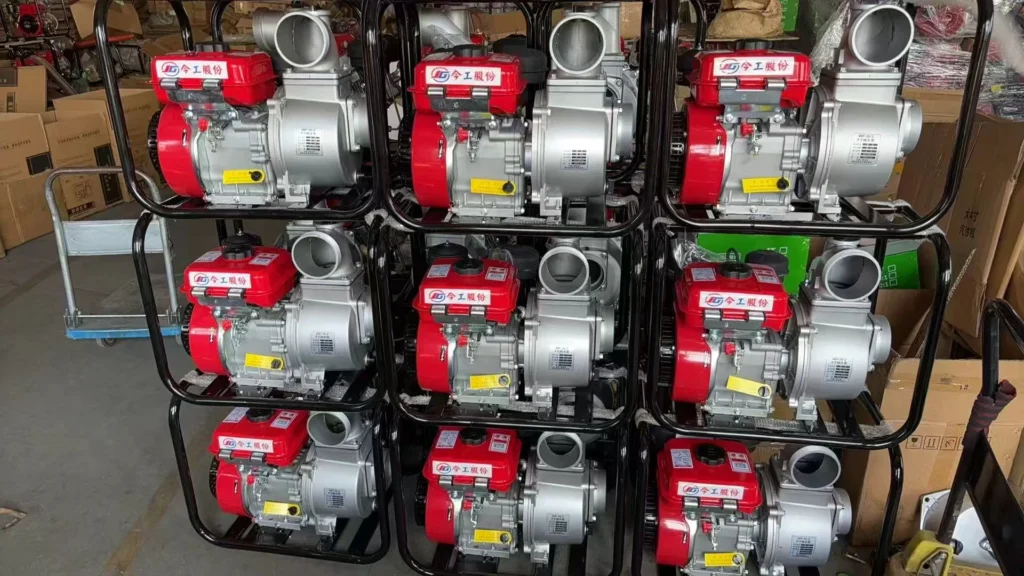
A gasoline or diesel irrigation pump couples a robust internal combustion engine (typically single-cylinder, air-cooled, 4-stroke) to a self-priming pump end. These fuel powered irrigation pumps require no external electricity and no solar panels—just fuel and water.
Core Advantages
- Total energy independence: A portable diesel irrigation pump works anywhere, regardless of grid or sunlight.
- Immediate mobility: Mounted on frames with handles (or wheels on larger units), these pumps relocate in seconds.
- High-pressure output: A high pressure gasoline farm pump delivers strong head for long-distance or high-elevation irrigation.
- Emergency readiness: Ideal as a diesel pump for remote irrigation where rapid deployment saves crops during drought.
- Robustness: Industrial-grade diesel irrigation pumps run 8–12 hours daily for years with basic maintenance.
Gasoline vs. Diesel: What’s the Difference?
| Factor | Gasoline Pump | Diesel Pump |
|---|---|---|
| Power density | Lower torque, higher RPM | Higher torque, ideal for heavy loads |
| Fuel economy | Moderate consumption | 15–25% more fuel-efficient |
| Durability | Good for intermittent use | Excellent for continuous duty |
| Portability | Lighter, easy to carry | Heavier, often wheel-mounted |
| Best use case | Small farms, gardens, occasional use | Large farms, emergency relief, continuous operation |
| Model example | Gasoline water pump for farm 2–3 inch | Portable diesel irrigation pump 3–6 inch |
Application Scenarios
- Emergency drought relief and disaster recovery (a portable gas pump for farm watering can be airlifted or trucked to affected areas)
- Land reclamation and new farm development where no infrastructure exists
- Large-scale flood irrigation requiring rapid water movement
- Temporary irrigation for seasonal crops
- Backup system for solar or electric pumps during extended cloudy periods
Pros & Cons Summary
| ✅ Pros | ⚠️ Cons |
|---|---|
| • Complete independence from grid/solar • Instant mobility & rapid deployment • High pressure for long-distance irrigation • Rugged, industrial-grade construction • A true fuel powered irrigation pump | • Ongoing fuel cost • Engine maintenance (oil changes, filters, spark plugs) • Noise & exhaust emissions • Not sustainable for permanent daily use vs. solar |
Suitable Crops & Farms
All crops in emergency situations; large plantations needing backup; mobile agricultural contractors; disaster-relief organizations deploying a diesel pump for remote irrigation.
🛒 View our Gasoline & Diesel Irrigation Pump range, manufactured by a proven Type Water Pump Irrigation manufacturer with 2-inch to 6-inch models.
FAQ: How Long Do Diesel Irrigation Pumps Last?
Q: How long do diesel irrigation pumps last?
A: With proper maintenance (regular oil changes, air filter cleaning, and timely seal replacement), a quality diesel irrigation pump from a reputable Type Water Pump Irrigation manufacturer delivers 3,000–5,000 hours of operation—equivalent to 3–5 years of typical agricultural use. Our industrial-grade units, with scheduled servicing, routinely exceed 6,000 hours.
Irrigation Pump Selection Guide: A Step-by-Step Framework

Selecting the right pump is a systematic process. Our engineering team at this Type Water Pump Irrigation manufacturer uses the following five-step protocol for every custom project:
Step 1: Analyze Your Water Source
| Water Source | Depth / Condition | Recommended Pump Type |
|---|---|---|
| Deep well / borehole | > 8 meters | Submersible irrigation pump |
| Shallow well | < 8 meters | Surface irrigation pump (self-priming) |
| River / lake / canal | Surface-level | Surface irrigation pump or solar surface pump |
| Pond / reservoir | Variable depth | Submersible pump (solar or electric) |
Step 2: Evaluate Power Availability
- Stable grid power → Electric submersible or surface pump
- No grid access → Solar irrigation pump (primary) or gasoline/diesel pump (backup/mobile)
- Unreliable grid → Solar + grid hybrid, or solar + diesel backup
- Fully mobile operation → Portable diesel irrigation pump or gasoline water pump for farm
Step 3: Match Pump Capacity to Irrigation Scale
| Farm Size | Recommended Flow Rate | Best Pump Choice |
|---|---|---|
| Small farm / family garden (< 2 ha) | 1–10 m³/h | Best irrigation pump for small farm: compact surface pump or small submersible |
| Medium orchard / mixed farm (2–20 ha) | 10–50 m³/h | Mid-range submersible or surface pump, optionally solar-powered |
| Large commercial plantation (20–200 ha) | 50–200 m³/h | High flow submersible farm pump or industrial solar pump array |
| Extra-large agricultural belt (> 200 ha) | 200+ m³/h | Multi-pump station with high flow pump for large irrigation |
Step 4: Calculate Critical Parameters
The two most important engineering parameters in any irrigation pump head and flow calculation are:
① Flow Rate (Q) — measured in m³/h or GPM. Determined by:
Required Flow = Irrigation Area × Crop Water Requirement ÷ Operating Hours
② Total Head (H) — measured in meters. Calculated as:
Total Head = Static Lift + Friction Loss + Pressure Requirement
⚠️ Critical rule from your Type Water Pump Irrigation manufacturer: Select a pump whose rated head matches your calculated total head within ±20%. A pump with far more head than needed will deliver excessive flow, overloading the motor. A pump with insufficient head will fail to reach the irrigation zone. This single calculation determines whether your cost effective agricultural pump investment pays off.
Frequently Asked Questions about Irrigation Water Pumps
1. What is the best type of pump for irrigation?
A: There is no universal “best”—only “best for your conditions.” As a professional Type Water Pump Irrigation manufacturer, we recommend: for deep wells, use a submersible irrigation pump; for shallow rivers and lakes, use a surface irrigation pump; for off-grid farms, use a solar irrigation pump; for mobile or emergency use, use a gasoline or diesel pump. The optimal choice depends on water source depth, power availability, and farm size.
2. Are solar pumps good for agricultural irrigation?
A: Yes. For off-grid and high-sunlight regions, a solar powered water pump for agriculture is the most cost-effective solution over its 10–15 year lifespan. With MPPT controllers and proper panel matching, modern solar irrigation pumps achieve excellent performance even in variable light. A qualified Type Water Pump Irrigation manufacturer can engineer a system with 2–3 year payback.
3. Which is better, surface pump or submersible pump for farm use?
A: The deciding factor is water source depth. If your water is less than 8 meters below the pump, a surface irrigation pump is more economical and easier to maintain. If deeper than 8 meters, only a submersible irrigation pump will work. Many farms use both: submersible for the well, surface for distribution. Consult a Type Water Pump Irrigation manufacturer for a tailored configuration.
4. How long do diesel irrigation pumps last?
A: A quality diesel irrigation pump from a reputable Type Water Pump Irrigation manufacturer delivers 3,000–5,000 hours of reliable operation with routine maintenance (oil changes, filter cleaning, seal inspection). That translates to 3–5 years of typical agricultural use, or longer with diligent servicing. Industrial-grade models can exceed 6,000 hours.
5. Can gasoline pumps work for long-distance irrigation?
A: Yes. A high pressure gasoline farm pump can generate substantial head (up to 60m) suitable for long-distance irrigation pipelines. However, for continuous long-distance duty, a portable diesel irrigation pump is more fuel-efficient and durable. Both are available from a specialist Type Water Pump Irrigation manufacturer like us.
Conclusion & Expert Recommendation
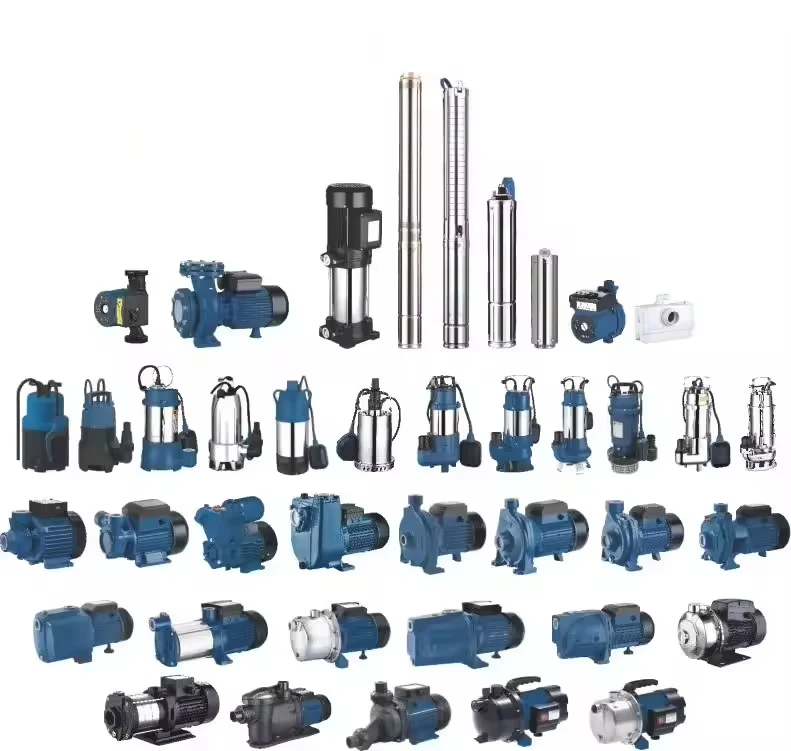
Throughout this comprehensive guide, we have established that the world of water pumps for agricultural irrigation is best understood through a three-dimensional lens: installation location, power source, and application scenario. The four pillar technologies—submersible irrigation pumps, surface irrigation pumps, solar irrigation pumps, and gasoline/diesel fuel pumps—collectively address every irrigation challenge on Earth.
As a vertically integrated Type Water Pump Irrigation manufacturer with decades of engineering excellence, we offer the following expert recommendations:
- For deep-well, long-term, large-scale irrigation → Choose a submersible irrigation pump. It is the most reliable type water pump irrigation solution for deep groundwater extraction.
- For off-grid remote farms with abundant sunlight → Choose a solar irrigation pump. As your Type Water Pump Irrigation manufacturer, we guarantee industry-leading ROI.
- For shallow water sources on flat terrain → Choose a surface irrigation pump. It is the most economical land water pump for irrigation.
- For mobile, emergency, or backup irrigation → Choose a gasoline or diesel pump. No other type water pump irrigation offers comparable deployment speed.
Why Partner with Us as Your Type Water Pump Irrigation Manufacturer
- Vertically integrated production: We manufacture submersible pumps, surface pumps, solar pumps, and fuel pumps under one roof, ensuring consistent quality across all agricultural water pump types.
- OEM/ODM customization: Voltage, frequency, materials, branding, and packaging all tailored to your market requirements.
- Global certification: CE, ISO 9001, ISO 14001, and region-specific certifications for Europe, North America, Africa, and Southeast Asia.
- Worldwide after-sales network: Local service partners in 30+ countries ensure your Type Water Pump Irrigation manufacturer relationship delivers value for a decade or more.
- Engineering support: Free irrigation system design, head-flow calculations, and site assessment from our technical team.
Your next step: Contact our engineering team today for a free, no-obligation consultation. As a premier Type Water Pump Irrigation manufacturer, we will analyze your water source, power situation, and irrigation area to recommend the exact type water pump irrigation configuration for your operation—backed by transparent bulk pricing and global delivery.

0 Comments