
If you’ve ever stood in front of a well house wondering whether flipping the breaker is enough—or whether you should touch that pressure switch first—you’re not alone. Every season, our technical team at Jingong Pump fields calls from US farm owners, EU off-grid cabin builders, and Southeast Asian irrigation contractors who “turned the pump off” and still ended up with a burned motor, a split pressure tank, or worse, a shock incident in a damp well house.
Here’s the part most English-language DIY blogs skip: “Turning off a well pump” is not one procedure—it’s four, because the safe sequence for a 240 V submersible, a self-priming land pump, a solar PV-driven borehole unit, and a Honda/GX clone diesel pump are different circuits, different hazards, and different “what breaks if you rush it.”
This guide is written from a manufacturer’s service bay, not a homeowner’s forum. We build all four types, we’ve seen how each one fails, and we’ll walk you through the shutdown order that protects the motor, the controller, the piping—and you.
Why “Just Flip the Switch” Isn’t Enough – Risks Most Homeowners Overlook
Well Pump
Most well pump “failures” we trace in warranty cases didn’t start with a bad winding. They started with a shutdown done wrong.
- Electric shock in damp well houses: You turn off the wrong breaker (shared lighting circuit), assume it’s dead, reach the pressure switch, and the 240 V is still live. US residential well pumps run 120/240 V; 240 V across the chest is lethal.
- Motor burnout from locked rotor: Cutting power while the pump is at pressure without closing the discharge valve first can let water hammer + backspin fry the start capacitor on restart.
- Split pipe / burst pressure tank: Sudden stop without valve sequencing sends a pressure wave up the line. We’ve seen 1″ poly split at the pitless adapter because someone yanked the plug on a 1 HP sub.
- Controller killed on solar units: PV voltage can be 90–150 V DC open-circuit in bright sun. Cut the array before the MPPT controller and you can watch the display flicker-and-die. That’s a $200–$600 replacement most “solar pump guides” don’t warn about.
- Diesel pump cylinder glaze: Loaded stop (valves open, throttle cut) leaves unburned fuel and carbon; do it weekly and the rings seat poorly within a season.
⚠️ Critical Warning: If your pump is in a shared breaker with the barn lights or the pressure washer, your first job isn’t shutting down the pump—it’s identifying which breaker actually feeds the pump. We’ll cover that in Section 4.
Who This Guide Is For (and Why Jingong’s Factory Perspective Matters)

We’re not a home-inspector blog. Jingong (Zhejiang Jingong Technology Co., Ltd.) is a Zhejiang-based pump manufacturer producing:
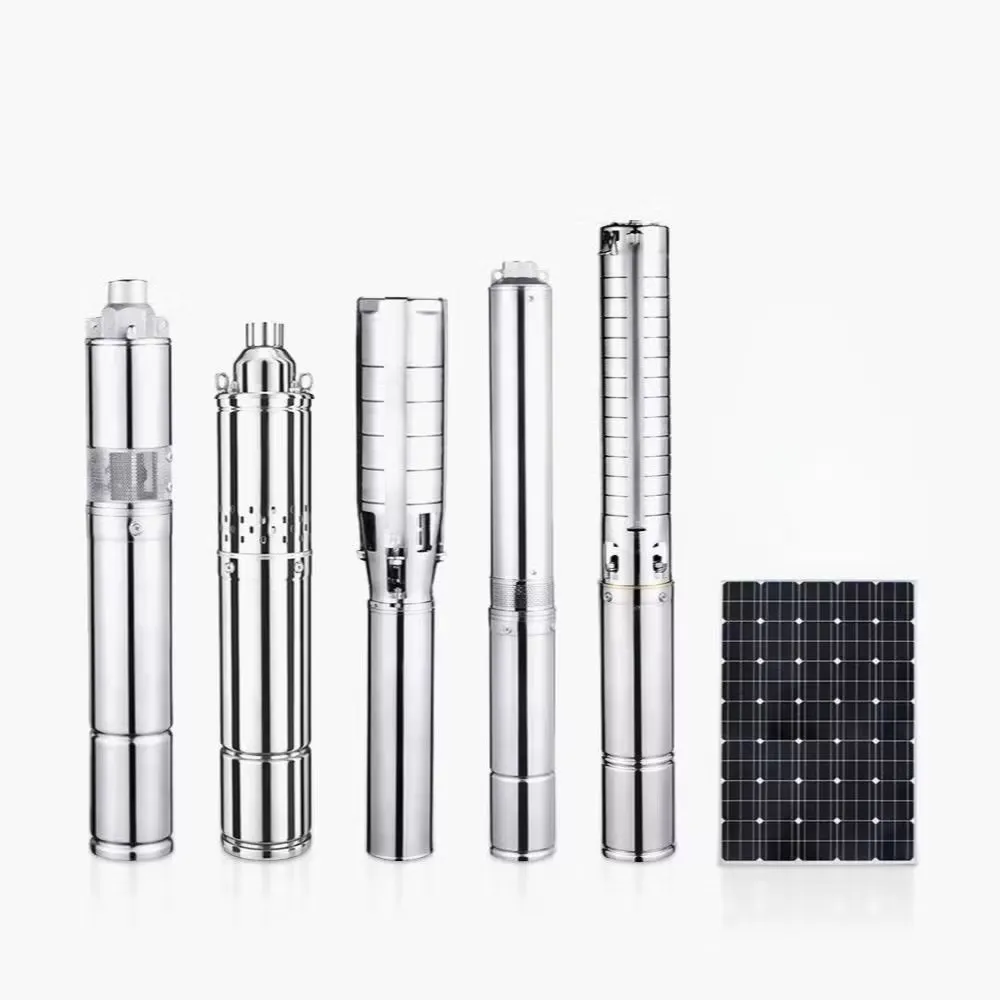
- Deep well submersibles (4″, 6″, 8″, 10″ – residential through municipal)
- Surface / centrifugal / self-priming land pumps (irrigation, booster, JET series)
- DC solar water pumps (helical rotor & centrifugal, MPPT/PWM controllers)
- Gasoline & diesel engine-driven pumps (ag spray, construction dewatering, firefighting)
Our service team logs ~300 after-sales cases/year across these four families. The shutdown procedure that follows is what we put in our own multi-language manuals, then expanded here with the “why” layer generic tutorials omit.
Why Properly Shutting Down a Well Pump Matters More Than You Think
The Real Costs of an Improper Shutdown
| Failure Mode | Typical Repair Cost (US) | Jingong Case Note |
|---|---|---|
| Submersible motor burnout (1 HP) | $800–$1,800 (pull + replace) | Most common in winter “I just unplugged it” calls |
| Pressure tank rupture (water hammer) | $300–$900 + plumbing | 20-gal pre-charged tank, 50 PSI setpoint |
| Solar controller MOSFET blow | $250–$650 | Seen on 48 V DC helical solar units |
| Diesel ring/valve carbon | $400–$1,200 overhaul | Contractor site pumps, daily stop/start |
Scenario-Based Necessity: When You Must Cut Power
- Routine maintenance: Replace pressure switch, swap tank, change filter → Full controlled shutdown.
- Long absence: Winter cabin, 3-month travel → Controlled shutdown + drain + label.
- Pipe repair: Water heater swap, hydrant install → Cut pump power, bleed system.
- Fault event: Leak at pitless, spark at control box → Emergency cut.
- Seasonal freeze: US Zone 5–7, EU alpine → Mandatory drain & shutdown.
Risk Differences Across 4 Pump Types (What Generic Guides Miss)
Generic “how to turn off a well pump” articles assume a 120/240 V single-phase submersible. Here’s what changes by type:
- Submersible (electric): Underwater motor, 240 V. Risk = shock + backspin + filled pitless if valve order wrong.
- Surface / land pump: Motor in air. Risk = exposed terminal shock, casing pressure.
- Solar water pump: DC motor/BLDC. Risk = reverse current if you kill controller before PV disconnect; DC arc risk.
- Gas / diesel engine pump: No “electrical” shutdown. Risk = loaded stop carbon, hot-surface burn, fuel leak.
Pre-Shutdown Safety Preparation – Don’t Skip This
Personal Protective Gear
- Dry rubber-insulated gloves: Class 0 (1000 V) for pros; standard rubber grip for DIY.
- Safety glasses: Pressure relief mishaps send debris.
- Non-conductive footwear: No wet sneakers in the well house.
- Voltage tester: Non-contact first, then contact verify. Never trust the switch position alone.
Site Check: Water, Vapor, Flammables
- Mop standing water before opening breaker panels.
- Gas/Diesel units: Check for fuel odor. Well houses + gasoline vapor = explosion risk.
- Clear hay/straw/packaging from engine exhaust.
Tools You’ll Actually Need
- Non-contact voltage detector (e.g., Fluke 1AC)
- Lockout Tagout (LOTO) padlock (prevents others from flipping breaker back on)
- Adjustable wrench (valve operation)
- Screwdriver (pressure switch/control box access)
- For Solar: DC-rated disconnect or MC4 tool
Identify Your Pump Type Before You Touch Anything
Open the well house door and answer:
- Pressure tank + 240 V “Well” breaker? → Submersible or Jet Surface.
- PV array + MPPT controller? → Solar unit (see Section 4.4).
- Gas/Diesel engine on frame? → Engine pump (see Section 4.5).
- Motor above ground, 120 V plug? → Surface electric.
Step-by-Step: Safely Turn Off Well Pump Power (Core Section)
Universal Electric Pump Sequence (Submersible + Surface Electric)
This is your baseline for all grid-powered pumps.
- Close the discharge/outlet valve (slowly): Kills flow, prevents water hammer. On submersibles, this is the house main; on surface pumps, it’s the pump discharge ball valve.
- Locate the dedicated pump circuit: Look for a 2-pole 240 V breaker (15–30 A). If there is a dedicated disconnect outside (NEC 430 requirement), use that.
- Dry hands, kill the breaker/disconnect: Don’t pull the plug. Firmly switch the breaker to OFF.
- Verify with voltage tester: Non-contact first, then contact probe at the pressure switch or control box after opening the cover.
- Lockout + Tag (LOTO): Padlock the breaker in OFF. Tag: “PUMP OFF – SERVICING – DO NOT ENERGIZE”.
- Bleed system pressure: Open a downstream faucet to drop tank pressure to zero.
- Drain (Winter/Long Idle): See Section 7.
Special Steps for Submersible Well Pumps (Jingong Focus)

Why Submersibles Are the Highest-Risk Type
The motor is 50–300 ft underwater. You cannot see or reach it. Control boxes hold start capacitors; killing power while the relay is closed can weld contacts. The deep-well check valve holds pressure; incorrect valve closure causes water hammer at the pitless adapter.
Detailed Shutdown Procedure
- Close the house-side isolation valve slowly.
- If present, close the pump-discharge valve between the well and tank.
- Kill the dedicated 2-pole breaker.
- 3-Wire Units Only: Open the control box. Allow 30 seconds for the start capacitor to discharge (check for bleed resistor). Do not touch terminals yet.
- Verify 0 V at the control box load side using a contact tester.
- LOTO the breaker.
- Delayed Restart Warning: If restarting soon, wait 60–120 seconds. The water column in the drop pipe may be back-spinning. Firing the motor into a back-spinning impeller stack can shear couplings or blow capacitors.
Special Steps for Surface / Self-Priming Land Pumps
Risk Profile
Motor is in air (lower shock risk), but exposed terminal boxes and pressurized casings pose threats if valves are mishandled.
Sequence
- Close discharge valve slowly.
- Allow the pressure switch to click open as pressure rises naturally.
- Kill the breaker/pull the disconnect.
- Verify 0 V at the motor terminal box.
- LOTO the power source.
- Storage: Crack the priming plug or drain plug at the pump low point to release trapped water (critical for freeze protection).
Special Steps for Solar Water Pumps (Differentiator Section)
The Golden Rule: Controller Middle, PV Last
Never cut the PV array power before the controller. Open-circuit voltage (90–100 V DC) hitting a collapsing load will blow MOSFETs.
- Close the pump discharge valve.
- Kill the pump-side DC disconnect (between controller output and motor).
- Press the controller “OFF” button or toggle its supply switch.
- Now cut the PV array isolator (DC MCB or MC4 disconnect).
- Verify: Controller screen is dark, no PV input reading, 0 V at pump terminals.
- LOTO the PV isolator.
Remote / Unattended Systems
If using a smart controller app:
- Send “Stop pump” command first (allows MPPT to ramp down).
- Remotely toggle the PV string disconnect.
- Never rely solely on the app for service work—physical disconnect is mandatory.
Special Steps for Gas & Diesel Engine Pumps
Gasoline Pumps (e.g., GX160 clones)
- Close discharge valve (prevents siphoning).
- Let engine run unloaded for 30–60 seconds to cool the combustion chamber.
- Close the fuel petcock.
- Allow engine to stall from fuel starvation (cleaner than choke-kill).
- Toggle ignition switch to OFF.
- Cool for 10 minutes before enclosing.
Diesel Pumps (e.g., 178F / 186F)
- Unload: Close discharge, let idle 1–2 minutes.
- Move fuel rack to idle-stop, engage decomp/stop knob.
- Close fuel petcock.
- Cold Weather: Add anti-gel stabilizer if below 0°C (32°F).
- Storage: Drain fuel bowl if storing >30 days.
Emergency Power-Off: When the Well Pump Won’t Wait
Leak / Smoke / Spark / Short-Cycle – Triage Order
- Do not step into standing water. Use a dry board or non-conductive tool to reach the panel.
- Main panel > Pump dedicated breaker: If the pump breaker sparks or won’t budge, kill the main.
- Solar Emergency: PV arrays generate power in sunlight even if the controller is smoking. Go to the array-side disconnect first if accessible.
- Gas/Diesel Emergency: Shut fuel petcock first (starve engine), then kill ignition. Use a CO₂ extinguisher, not water, if fire starts.
Expert Insight: According to industry service standards, if your breaker trips immediately upon resetting, stop. Repeated tripping indicates a short circuit or failing motor, not a simple overload.
Don’t Approach Live Water – What “Safe Distance” Means
240 V through 6″ of well-house floor water creates a potential across your stance. If the pitless is spraying, do not touch the cap while power is live; a chafed lead can energize the entire drop pipe.
Common Mistakes Well Pump That Quietly Destroy Pumps
Mistake #1: Pulling the Plug Instead of the Breaker
Receptacles are often downstream of the pressure switch. “Unplugging” kills the switch but leaves the line side terminals hot. Arcing during a live pull damages plugs and sockets.
Mistake #2: Valve Order Reversed (Water Hammer)
Killing power before closing valves sends a pressure wave slamming into the check valve. This leads to premature check valve failure and backspin on the motor shaft.
Mistake #3: Solar – Cutting PV Before Controller
As mentioned, this is the #1 warranty claim on solar pumps. The reverse current destroys the MPPT controller’s transistors instantly.
Mistake #4: Diesel – Loaded Stop
Cutting throttle while the discharge is wide open washes cylinder walls and causes carbon buildup on rings. Always unload and idle before fuel cutoff.
Post-Shutdown Maintenance & Storage (High-Value Retention)
Drain, Label, Cover
- Submersible: Do not drain the motor (sealed). Drain house-side piping in freeze zones. Leave pitless cap secured.
- Surface: Crack the 1/4″ NPT drain plug. Leave it open over winter.
- Solar: Cover the controller screen. Tag the PV disconnect.
- Engine: Drain fuel bowl. Check oil. Store indoors if possible.
Winterization – Why “Off” ≠ “Safe”
In USDA Zone ≤ 6 or equivalent:
- Blow out or fully drain all above-ground piping.
- Bleed pressure tanks to 0 PSI; leave drain cock slightly open.
- Use pump-specific antifreeze in diesel cooling systems.
Long-Term Idle – Quarterly Test-Run
Even when off, mechanical seals and bearings benefit from movement. Perform a 30-second “jog run” every 3 months to prevent stiffening and keep the shaft seal lubricated.
FAQs – Well Pump Power-Off Questions We Hear Weekly
Q1: Is it safe to turn off a well pump at the switch instead of the breaker?
A: For service work, no. The pressure-switch lever is often downstream of the disconnect and may still carry line voltage at its terminals. Always kill the dedicated breaker or disconnect, then verify 0 V with a tester.
Q2: How long can a well pump stay powered off?
A: Electrically, months if the motor stays dry. For submersibles, jog-run 30 seconds every 3 months to keep bearings from stiffening. In freeze zones, ‘off’ must include drainage of above-ground piping.
Q3: Do I need to turn off a solar well pump at night?
A: Not for normal operation—MPPT controllers handle day/night transitions automatically. For service, yes, and always follow the controller-first-then-PV order to avoid reverse-current damage.
Q4: Can sudden shutdown damage a submersible well pump?
A: Yes. Water hammer from reversed valve order, and backspin on immediate restart, are two common damage paths. Wait 60–120 seconds before restarting a submersible after shutdown.
Q5: How to turn off a diesel water pump safely in cold weather?
A: Unload first (close discharge), idle 1–2 min, close fuel petcock, use decomp/stop, drain bowl if >2 weeks storage, add anti-gel below 0°C. Let cool before enclosing.
Q6: Do I need to drain water after Well Pump power off?
A: Above-ground: yes, drain pump casing and exposed piping to prevent freeze or stale water. Below frost line (drop pipe, pitless): no, that water is protected. House side: bleed pressure tank if opening plumbing.
Conclusion + Jingong Well Pump Manufacturer Checklist
Turning off a well pump safely isn’t a one-sentence fix—it’s a 4-lane procedure dependent on your equipment. The cost of error ranges from a $15 pressure switch to a fatal shock incident.
Jingong’s 5-Point Shutdown Checksum:
- ✅ Valve order: Close discharge before power cut (electric types).
- ✅ Dedicated disconnect: Use breaker/LOTO, not plug-yank.
- ✅ Verify: 0 V with tester—trust, then verify.
- ✅ LOTO: Prevent accidental re-energizing.
- ✅ Type-specific tail: Solar = Controller-Middle-PV-Last; Diesel = Unload-Idle-FuelOff.
With 15+ years of engineering these four pump families, Jingong provides more than just hardware; we provide operational certainty. Whether you are managing a residential well, a farm irrigation ring, an off-grid solar borehole, or a construction dewatering site, correct shutdown procedures protect your investment

0 Comments