
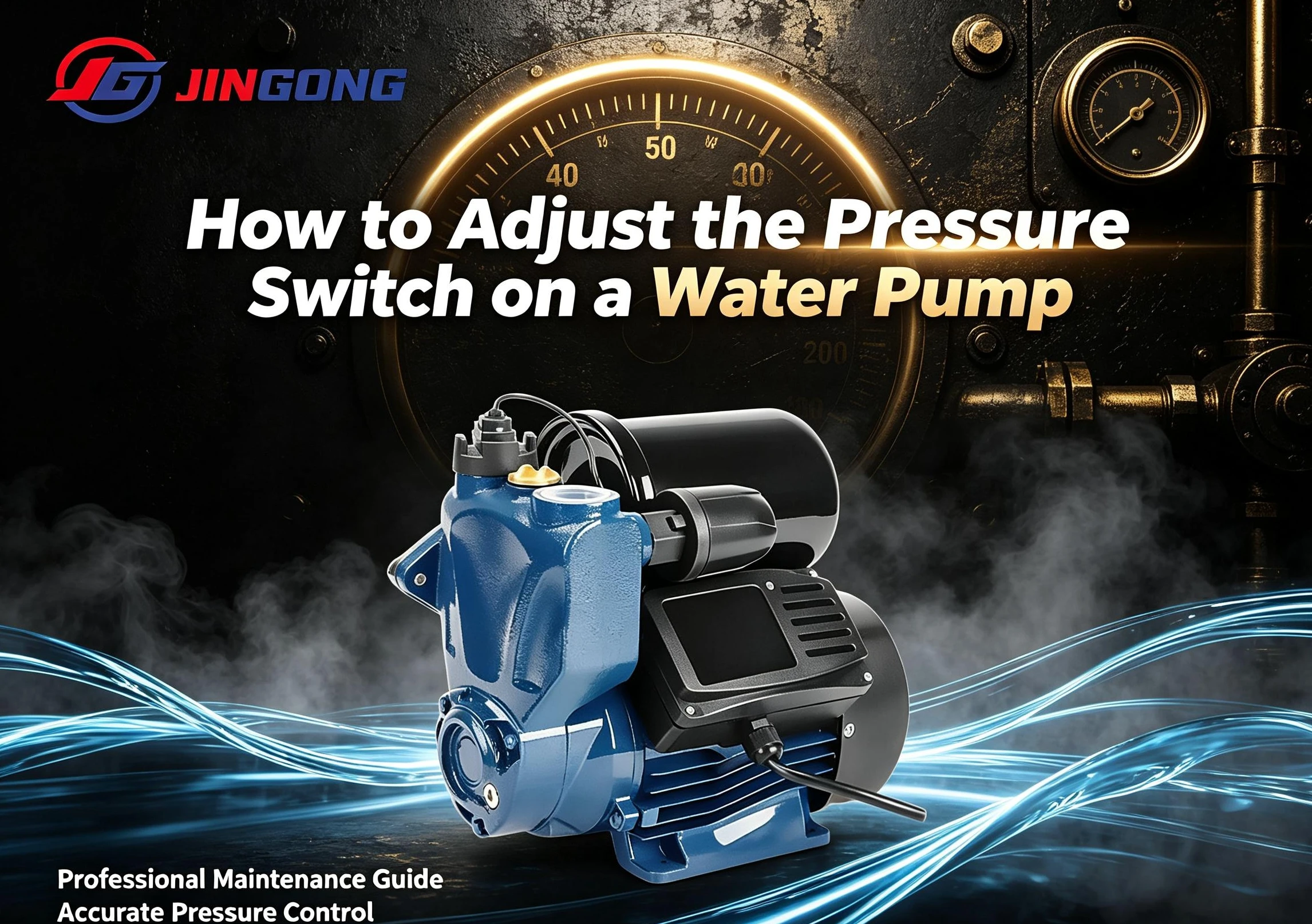
TL;DR: Properly adjusting your water pump’s pressure switch prevents short-cycling, extends motor life by up to 30%, and ensures stable water pressure. As a leading water pump supplier, Jingong Tech provides this definitive guide covering residential booster pumps, deep well submersibles, industrial centrifugal pumps, solar DC systems, and fuel transfer pumps.
1. Why Pressure Switch Adjustment Matters (EEAT Introduction)
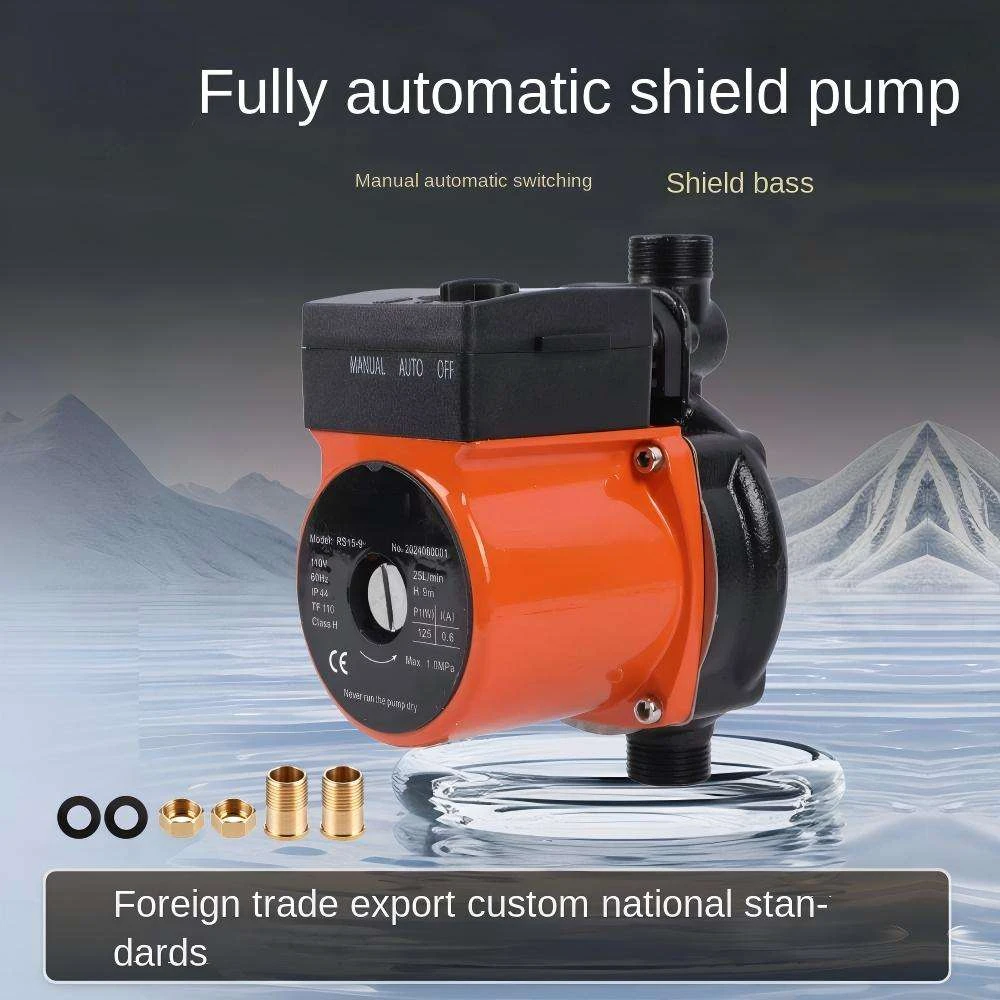
In our decade-plus experience exporting pumps from our Zhejiang factory, over 60% of “faulty pump” complaints—such as “pump cycles too often,” “weak shower pressure,” or “pump won’t shut off”—trace back to incorrect pressure switch settings, not mechanical failure. For international water pump suppliers and distributors, mastering this adjustment is key to reducing RMA costs and building brand trust.
- Solves Core Pain Points: Eliminates pressure fluctuations, frequent starts/stops, and insufficient water supply across household, industrial, and agricultural scenarios.
- Prevents Damage: Incorrect adjustments (over-pressurization, ignoring differentials) are top causes of warranty claims.
- ROI for Clients: Correct settings = 20–30% longer motor lifespan + significantly lower after-sales overhead.
Bilingual Keywords: water pump pressure switch adjustment, water pump pressure switch setting, pressure switch adjustment guide for distributors.
2. Before You Touch Anything: Pressure Switch Basics (Expertise Foundation)
2.1 The Role of the Pressure Switch in Export Pumps
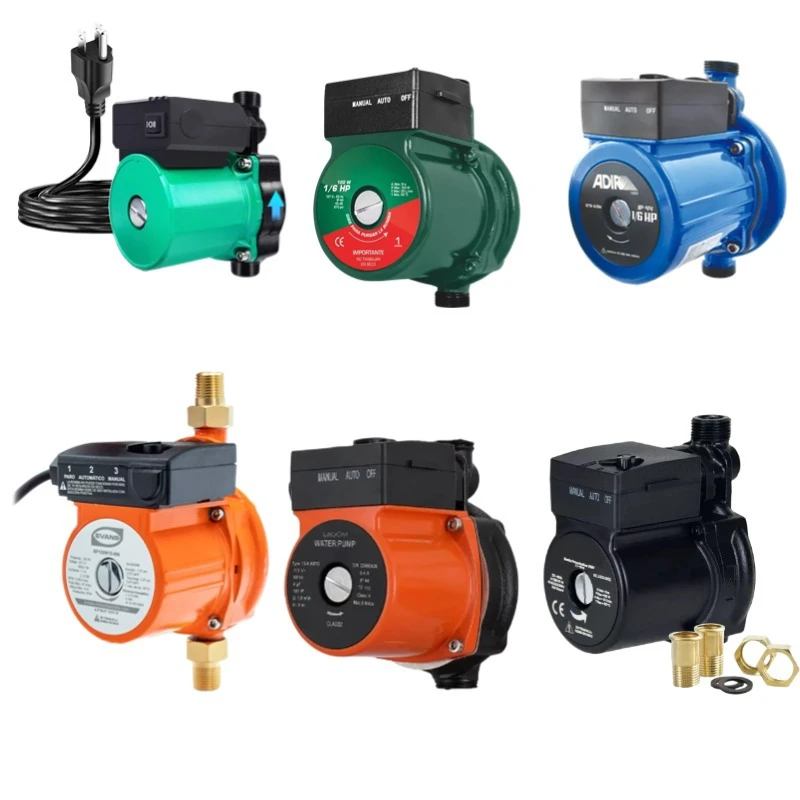
The pressure switch acts as the “cruise control” for your pump. It dictates the cut-in (start pressure) and cut-out (stop pressure). At Jingong, we manufacture five core series, each requiring specific switch logic:
| Jingong Product Line | Common Application | Switch Characteristic |
|---|---|---|
| Booster Pumps (JG-Boost) | Home Showers, Apartments | 30/50 or 40/60 PSI; Low-cut-off essential |
| Submersible Pumps (JG-Sub) | Deep Wells, Boreholes | Low-pressure cut-off to prevent dry-running |
| Surface/Centrifugal Pumps (JG-Surface) | Industrial Sites, Farms | Higher range (up to 80 PSI); Wide differential preferred |
| Solar Pumps (JG-Solar) | Off-grid Irrigation | DC voltage specific (24V/48V); AC switches will arc |
| Petrol/Diesel Pumps | Construction Sites, Fuel Transfer | Mechanical switches; Often paired with bypass valves |
2.2 Core Parameters (Export Standards)
Understanding these specs is vital for global distribution. Always verify these against your target market’s standards:
- Pressure Range: Typically 20–100 PSI (1.4–6.9 bar). Ensure dual-unit labeling (PSI/Bar) on products.
- Factory Settings: Common presets are 20/40, 30/50, 40/60, and 50/70 PSI. 40/60 is the modern North American standard.
- Differential (Diff): The gap between cut-in and cut-out. Standard is 15–30 PSI (~1–2 bar).
- Contact Capacity: e.g., 120V 20A / 240V 12A. Must match the pump motor’s horsepower (HP).
- Voltage: 110V (Japan), 220V (EU/China), 240V (US/UK), 380V 3-Phase (Industrial).
- Certifications: CE (Europe), UL 508 (USA), NSF/ANSI 61 (Drinking Water).
2.3 Tools & Safety (Trustworthiness)
Tools Required:
- 3/8″ and 7/16″ Sockets/Wrenches
- Flathead Screwdriver / 5/16″ Hex Key
- Quality Pressure Gauge (Recommended: Wika or Dwyer, 0–100 PSI)
- Multimeter (for voltage verification)
Safety Protocols:
- Disconnect Power: Turn off the breaker. Use a multimeter to confirm 0 voltage at terminals.
- Release Pressure: Close the inlet valve. Open the nearest faucet to drain all pressure from the pipes.
- Do Not Exceed Limits: Never set pressure above the pump’s rated PSI (usually 60–80 PSI for residential).
- Capacitor Warning: Even when disconnected, capacitors hold a charge. Do not touch electrical terminals.
2.4 Common Mistakes (Expertise Highlight)
Based on real Jingong after-sales cases:
- Over-Pressurization: A SE Asian dealer turned a 40/60 switch to 55/75, bursting old galvanized pipes.
- Ignoring Differential: A European DIYer only adjusted the large nut, resulting in a 40/52 cycle, burning out the motor in 4 months.
- Voltage Mismatch: Installing a 110V switch on a 240V line leads to immediate contact welding.
- Tank Air Loss: Forgetting to adjust the pressure tank air charge (should be Cut-in minus 2 PSI).
3. Step-by-Step Adjustment (Core Practical Guide)
3.1 Preparation Steps
- Power Down & Verify: Breaker off, multimeter confirms zero volts.
- Depressurize System: Close inlet, open highest/longest faucet until water stops flowing.
- Calibrate Gauge: If your gauge reads 5 PSI high, your adjustments will be wrong. Replace if suspect.
- Remove Cover: Unscrew the center nut holding the plastic cap. You will see two nuts on top of springs (Square D style) or two screws (Generic Chinese style).
3.2 Understanding the Nuts (The Golden Rule)
This is the most critical section for users. Save or screenshot this table:
| Nut Type | Nickname | Function | Clockwise Turn Effect |
|---|---|---|---|
| Large Nut (Big Spring) | Range Nut | Raises/Lowers BOTH Cut-in AND Cut-out equally. | Increases overall pressure (~2-3 PSI per turn) |
| Small Nut (Small Spring) | Differential Nut | ONLY raises Cut-out. Cut-in stays the same. | Widens the pressure differential |
Reference: Schneider Electric (Square D) data suggests 3.5 turns to shift a 20/40 switch to 30/50.
3.3 Scenario-Based Adjustments (Jingong Product Focus)
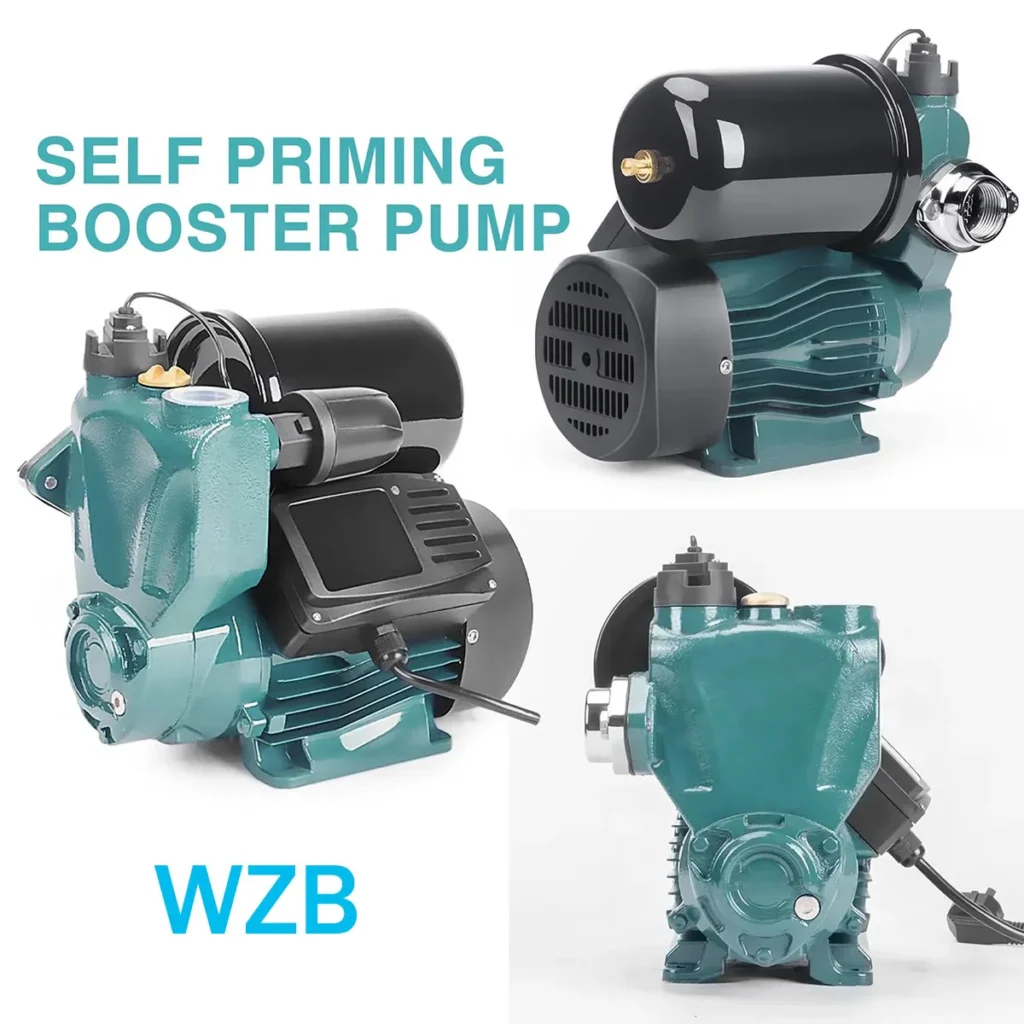
Scenario A: Home Booster / Self-Priming Water Pumps (JG-Boost Series)
- Default: 40/60 PSI with Low-Cut-Off.
- Weak Shower: Turn Large Nut 1 full turn clockwise (approx. 45/65 PSI).
- Older Plumbing: Reduce to 30/50 PSI (Turn Large Nut counter-clockwise 3.5 turns).
- Supplier Tip: Jingong offers pre-labeled 30/50 or 40/60 switches to minimize field adjustments.
Scenario B: Industrial Centrifugal / Surface Water Pumps (JG-Surface Series)
- Continuous Run: Set differential wider (e.g., 40/65 PSI) to reduce cycling.
- Max Limit: Jingong 3″ surface pumps typically max at 80 PSI. Do not exceed.
- Parallel Pumping: Stagger cut-in pressures by 5 PSI between units to prevent electrical surge.
Scenario C: Deep Well Submersible Pumps (JG-Sub Series)

- Critical Feature: Always use a switch with Low-Pressure Cut-Off.
- Low Yield Wells: Use 30/50 PSI to prevent pumping the well dry.
- Solar Hybrid: If pairing with JG-Solar-Sub controllers, ensure the switch is DC rated.
Scenario D: Solar Water Pumps (JG-Solar Series)
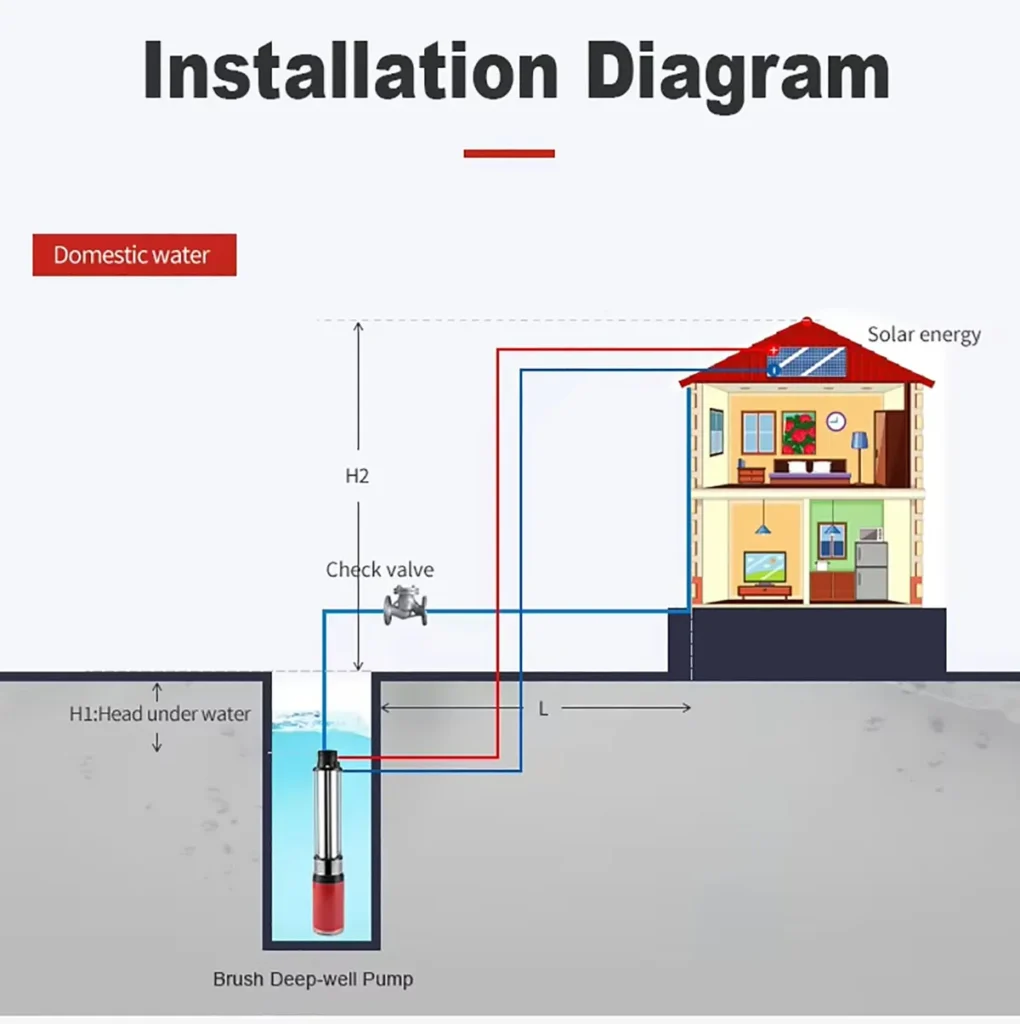
- Voltage Specificity: MUST use DC-rated switches (24V/48V/96V). AC switches will fail dangerously due to DC arcing.
- PV Fluctuation: Set cut-in slightly lower (e.g., 35 PSI instead of 40) to compensate for morning/evening voltage drops.
Scenario E: Petrol / Diesel Pumps (JG-Petrol Series)

- Mechanical Control: Usually purely mechanical, no electricity involved.
- Pressure Setting: Keep low (25–40 PSI) to prevent hose bursts on construction sites.
- Bypass Valve: Often used in conjunction with a pressure switch for fine-tuning flow.
3.4 Post-Adjustment Testing
- Reinstall Cover: Ensure it is secure before restoring power.
- Test Cut-in: Open a faucet. Watch the gauge. The pump should kick on at your set Cut-in pressure (±2 PSI tolerance).
- Test Cut-out: Close the faucet. The pump should stop at your set Cut-out pressure.
- Cycle Test: Let the system sit for 5–10 minutes. Check for leaks at the switch or fittings.
Success Criteria: Stable pressure, differential around 20 PSI, no leaks, and less than 2 cycles per 10 minutes during inactivity.
4. Troubleshooting (Experience & After-Sales)
4.1 Common Faults & Solutions
- Fault: Pressure Unstable / Short CyclingCause: Incorrect differential, waterlogged pressure tank, or faulty gauge.Fix: Adjust small nut to widen differential. Drain and recharge pressure tank (Air = Cut-in – 2 PSI). Replace gauge if needed.
- Fault: Pump Won’t Start / Runs ConstantlyCause: Burnt contacts, pressure setting reversed (Cut-in > Cut-out), or voltage mismatch.Fix: Replace pressure switch. Reset nuts. Verify voltage.
- Fault: Leaking SwitchCause: Improper thread sealant or failed diaphragm.Fix: Remove, apply 15 wraps of Teflon tape, reinstall. If leaking from vent, replace diaphragm kit.
- Fault: Excessive NoiseCause: Over-pressurization or cavitation.Fix: Reduce pressure setting. Check inlet lines for clogs.
4.2 Emergency Procedures
- Switch Failure: Move the lever to “Manual Run” ONLY if someone is watching the system constantly. Shut off immediately once pressure is reached.
- Pump Overload: If the pump is hot and humming, kill power immediately. Check for seized impellers or voltage drop.
Emergency Contact: Jingong Distributors can reach our 24/7 support via WhatsApp
5. Professional Deep Dive (Authority Building)
5.1 Brand Comparison for Global Markets
| Brand | Model Example | Key Feature | Market Position |
|---|---|---|---|
| Square D (Schneider) | 9013FSG | Dual-nut precision, robust | Premium (North America) |
| Wika | MA Series | Screw-type adjustment, high accuracy | Industrial (Europe) |
| Pentair Myers | Well System Switches | Integrated low-cut-off | Standard (North America) |
| Jingong / Generic OEM | LF16 / KRS-3 | 20-80 PSI, CE/UL options | Value (Global Export) |
5.2 Maintenance Schedule
- Every 6 Months: Visual inspection of contacts; test cut-in/cut-out accuracy.
- Annually: Clean dust/debris; calibrate gauges.
- Every 2-3 Years: Replace seals/diaphragms proactively (Shop Seal Kits).
- Every 5 Years: Replace entire switch unit (Contact wear limit).
5.3 Compliance & Regional Standards
As a responsible water pump supplier, compliance is non-negotiable:
- USA: UL 508 (Electrical) + NSF/ANSI 61 (Potable Water). NSF Website.
- Europe: CE Marking + PED (Pressure Equipment Directive). CE Guide.
- Australia: WaterMark + AS/NZS 4020.
- Southeast Asia: IEC Standards + Local Mandates (SNI Indonesia, TIS Thailand).
Warning: Removing or tampering with certification labels voids compliance and warranty.
6. Summary & Resource Hub (Conversion Focus)
6.1 The 5 Golden Rules of Adjustment
- Safety First: Disconnect power and release pressure.
- Big Nut: Controls overall pressure (Cut-in + Cut-out).
- Small Nut: Controls the differential (Cut-out only).
- Standard Presets: 40/60 PSI (Modern) vs. 30/50 PSI (Older/Low Yield).
- Tank Pressure: Must be 2 PSI below Cut-in.
6.2 Internal Resources (Site Authority)
- 🛒 View All Jingong Pumps
- 🔧 Buy Replacement Pressure Switches
- 📖 Related: How to Install a Water Pump
- 🆘 Related: Well Pump Troubleshooting Guide
- 🌍 Become a Jingong Distributor
6.3 Free Download (Lead Magnet)
Download: Water Pump Pressure Switch Adjustment Checklist (PDF)
Get the printable cheat sheet featuring 30/50/40/60 setting charts, troubleshooting trees, and Jingong’s 5-point inspection list. Perfect for your technicians and customers.
Enter your email below to receive the guide (English Version):
[welcome to contact us]
6.4 FAQ (Expert Authority)
Q: Can I adjust a 30/50 switch to 40/60?
A: Yes. On a Square D style switch, turn the large nut approximately 3.5 turns clockwise. Always recheck the pressure tank air charge afterward.
Q: My pump is 110V but local power is 220V. Can I just swap the switch?
A: No. The motor windings must match the voltage. Swapping the switch does nothing to protect the motor. Order a 220V specific pump from Jingong.
Q: Are pressure switches for solar pumps different?
A: Absolutely. Solar pumps use DC voltage. Using an AC switch on DC power will cause immediate arcing and welding of the contacts. Use only DC-rated switches.
Q: Does Jingong offer OEM customization?
A: Yes. We support custom pressure presets, private labeling, and specific switch brands (Square D, Wika, or OEM equivalents) based on your target market’s requirements. Contact us for MOQ details.
Jingong Technology (Zhejiang) Co., Ltd. is a premier manufacturer of water pumps, serving global markets with high-quality booster, submersible, centrifugal, solar, and fuel pumps. Looking for a reliable water pump supplier? Talk to our experts today.

0 Comments