
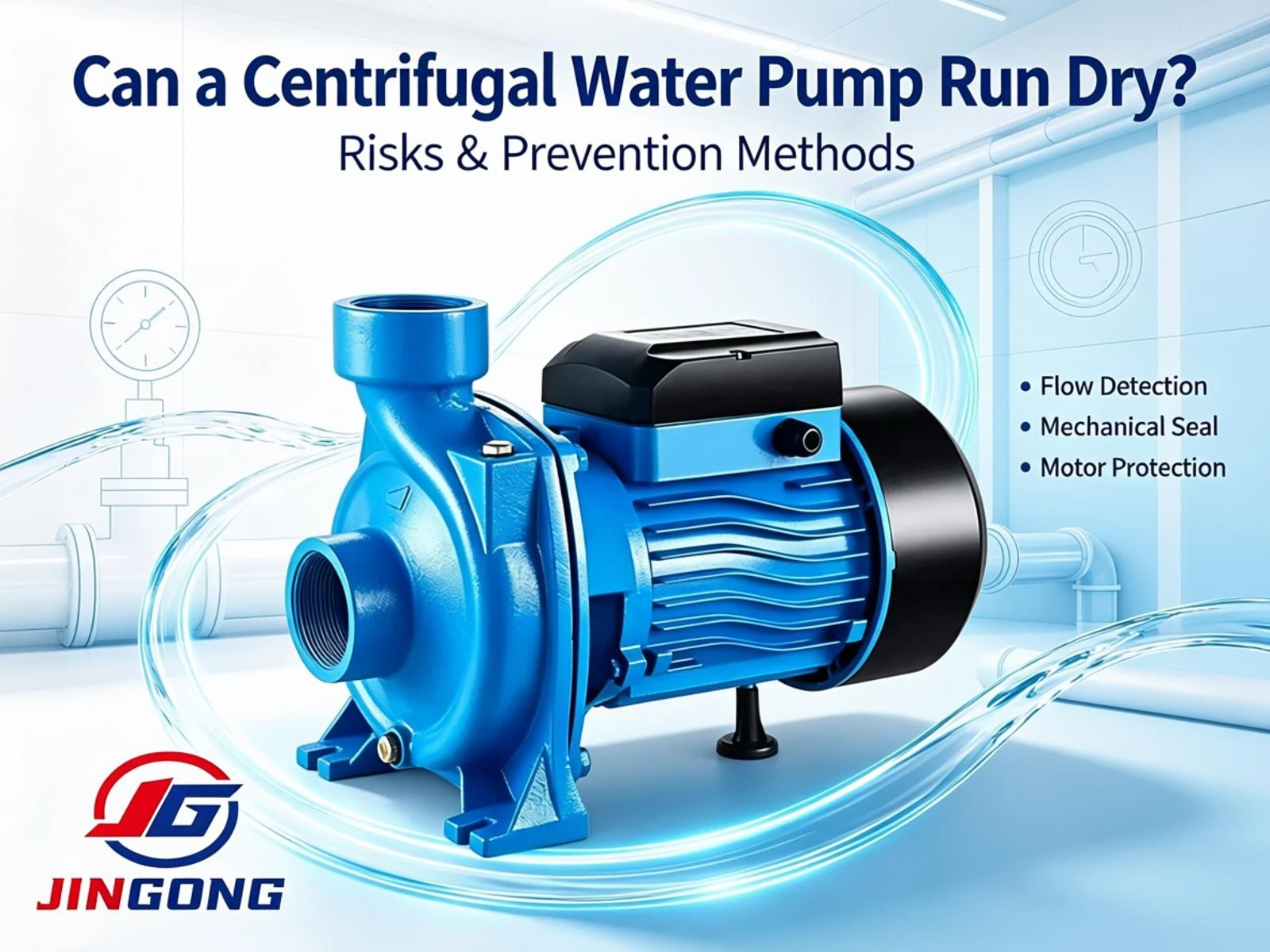
Can a Centrifugal Pump Run Dry? (Risks & Prevention Methods)
Published by Jingong Technology — a leading Centrifugal Water Pump Manufacturer with 10,000+ m² of plant area, 100+ engineers, and export experience to 50+ countries. As a professional Centrifugal Water Pump Manufacturer, we answer this critical question based on decades of pump R&D, overseas field service, and laboratory testing data.
Can a centrifugal pump run dry, even for a few seconds? Is dry running harmful to pump operation, and what should every operator, distributor, and engineer know? The short answer: standard centrifugal pumps must never run dry. Even a 30-second dry run can crack a mechanical seal, and within 60 seconds, bearing seizure or impeller deformation can occur. This comprehensive guide — written by your trusted Centrifugal Water Pump Manufacturer — covers the physics, graded risks, prevention methods, and product-specific solutions for submersible pumps, land centrifugal pumps, solar water pumps, and gasoline/diesel pumps.
As a Centrifugal Water Pump Manufacturer serving agricultural irrigation, industrial water supply, and off-grid solar projects worldwide, Jingong Technology treats dry run prevention as a core engineering principle, not an optional safeguard. This article is structured to help you rank for “centrifugal pump run dry”, “dry running centrifugal pump”, “centrifugal pump dry run risks”, and “centrifugal pump dry run prevention” — while giving you actionable, factory-grade knowledge. According to the Hydraulic Institute, dry running is the #1 cause of premature centrifugal pump failure, accounting for 35% of all warranty claims in the industry.
1. What Is Dry Running in Centrifugal Pumps?

Dry running occurs when a centrifugal pump operates without sufficient liquid inside the casing — whether due to pump cavitation, air binding, low suction level, or an empty source tank. A centrifugal pump relies on the pumped fluid for three critical functions:
| Function | What Happens When Dry |
|---|---|
| Cooling | No heat dissipation → seal faces exceed 200°C (392°F) within seconds |
| Lubrication | Direct metal-to-ceramic contact → friction cracks the carbon seal face |
| Hydraulic Stability | Loss of hydraulic balance → vibration, cavitation, impeller pitting |
Key Distinction: Dry Running ≠ Cavitation ≠ Air Binding. Cavitation is the violent collapse of vapor bubbles inside the casing; Air Binding is trapped air blocking fluid movement; Dry Running is the complete absence of liquid medium. All three can occur simultaneously, but dry running is the most destructive because it eliminates the pump’s lifeblood entirely.
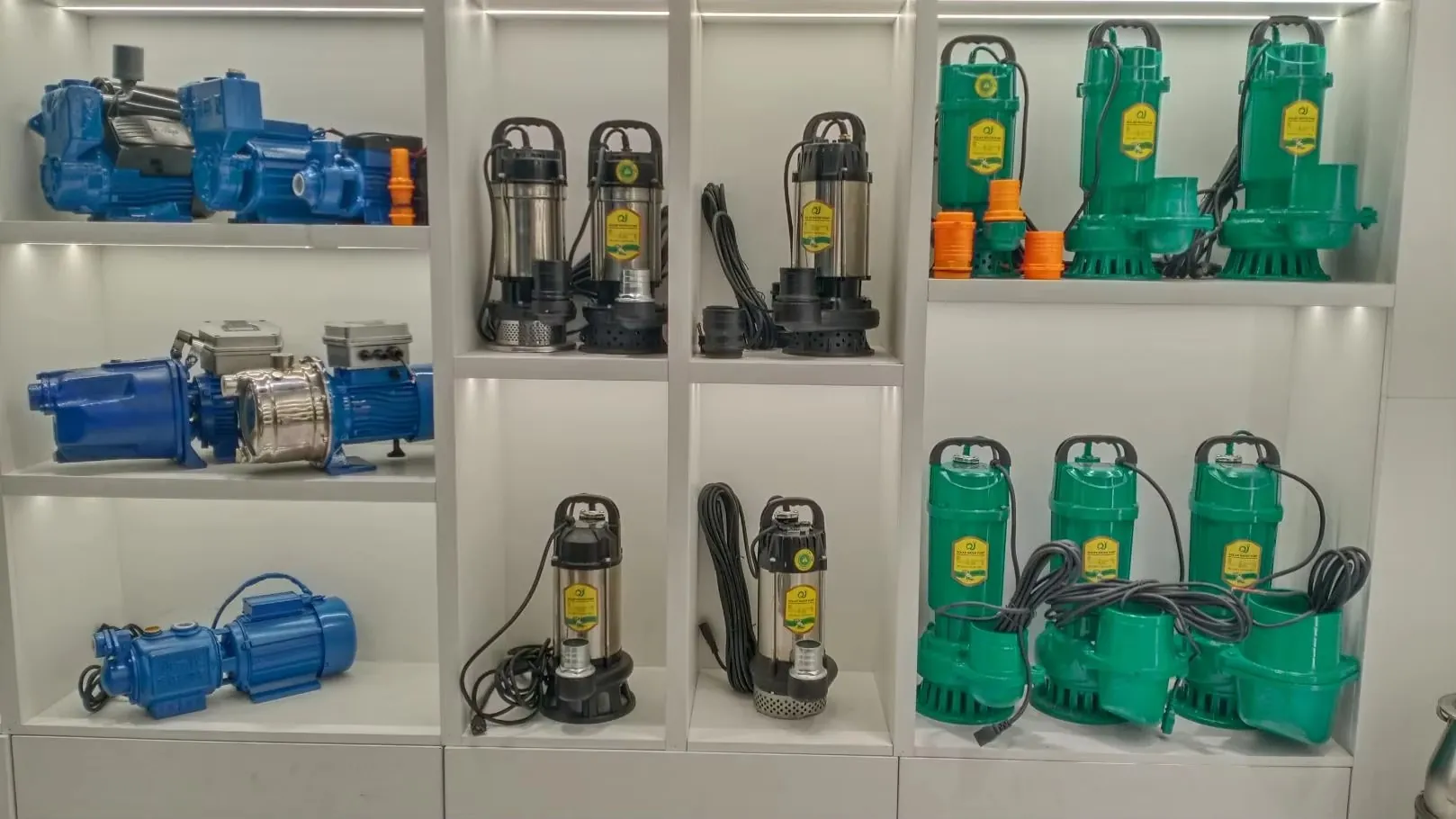
Across our four core product lines, dry running manifests differently: submersible pumps suffer when well levels drop below intake; land centrifugal pumps lose prime from suction line air leaks; solar water pumps dry out during cloudy-day low-voltage cycling; gasoline/diesel pumps run dry when engine vacuum fails to draw water. As your Centrifugal Water Pump Manufacturer, we design each category with tailored dry-run protection.
2. Can a Centrifugal Pump Run Dry? The Authoritative Answer

⛔ No. Standard centrifugal pumps cannot run dry without sustaining damage.
Based on our testing as a Centrifugal Water Pump Manufacturer: 3–10 seconds of dry running causes microscopic seal-face cracking; 30 seconds can shatter carbon seal components entirely; 60+ seconds leads to bearing seizure, impeller warping, and potential motor burnout. There is no “safe” dry-run duration for conventional centrifugal pumps.
Tolerance by Pump Type
| Pump Type | Dry-Run Tolerance | Primary Risk |
|---|---|---|
| Submersible Pump | Low — water level below intake = instant dry run | Seal burnout, motor overheating |
| Land Centrifugal Pump | Very Low — must be primed every start | Air lock, seal failure, casing warp |
| Solar Water Pump | Low — DC startup curves complicate priming | MPPT controller damage, seal burnout |
| Gasoline/Diesel Pump | Very Low — engine vacuum assist still needs flooded casing | Impeller melt, engine overrun |
Specialized pumps like magnetic-drive or diaphragm pumps have higher dry-run tolerance, but as a Centrifugal Water Pump Manufacturer, we emphasize: never assume your standard centrifugal pump can survive dry operation. The only “allowed” dry running is the brief self-priming cycle of a properly designed self-priming centrifugal pump — and even then, only for seconds with a primed chamber.
3. Key Risks of Dry Running Centrifugal Pumps
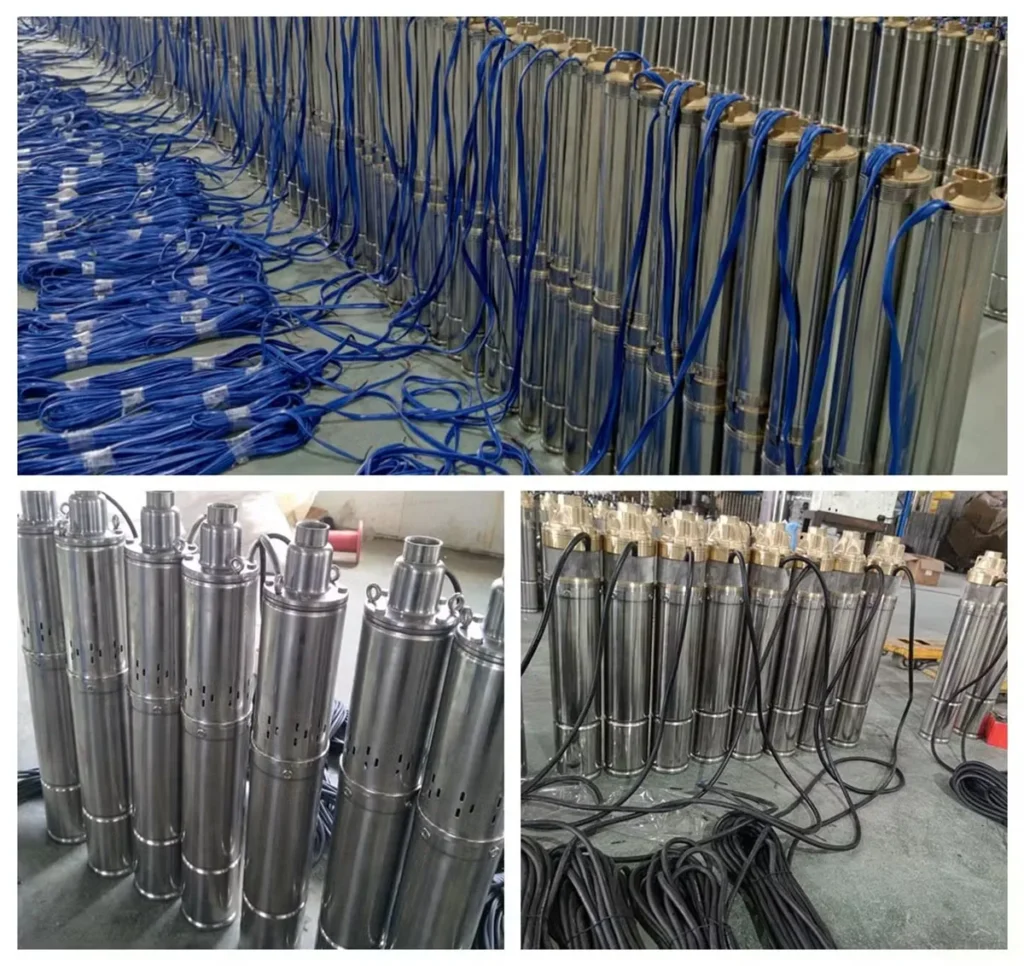
As a responsible Centrifugal Water Pump Manufacturer, we’ve documented thousands of dry-run failure cases across global agricultural, industrial, and off-grid solar projects. Here are the graded risks from least to most severe:
3.1 Mechanical Seal Failure (Most Common — 75% of Premature Failures)
The mechanical seal is the most vulnerable component. Without a liquid film between rotating and stationary faces, friction generates heat exceeding 200°C within seconds. Carbon faces crack, ceramic mating rings develop bluish-gold heat tint, and elastomers melt. According to seal industry experts, seal-related repairs account for 60–70% of all centrifugal pump maintenance, and dry running is the top cause of premature seal failure. (Source: cowseal.com)
3.2 Bearing Damage & Shaft Misalignment
Lack of lubrication accelerates wear. The rotor loses hydraulic balance, increasing vibration. Within 60 seconds, bearings can seize or burn out, leading to shaft deflection exceeding 0.002 inches — a threshold that guarantees cascading failure.
3.3 Impeller Wear, Warping & Cavitation Erosion
Spinning without resistance, the impeller vibrates and experiences cavitation. Thermoplastic impellers melt; metal impellers warp from differential thermal expansion. Efficiency drops 10–30% permanently, and the pump’s lifespan can shrink to one-third of its design expectancy.
3.4 Motor & Power System Failure
For solar pumps, DC motor controllers suffer from low-voltage dry-run cycling. For gasoline/diesel pumps, the engine over-revs without water load. For grid-powered pumps, the motor overloads trying to spin a seized shaft — burning out windings and tripping thermal protectors.
3.5 Economic & Operational Impact
| Dry-Run Duration | Damage Level | Estimated Repair Cost (USD) |
|---|---|---|
| 3–10 seconds | Microscopic seal cracking | $50–$150 (seal replacement) |
| 30 seconds | Carbon seal shattered, elastomer melted | $200–$500 (seal + labor) |
| 60+ seconds | Bearing seizure, impeller warp, motor burnout | $800–$3,000+ (full overhaul) |
| Repeated episodes | Total pump报废 (scrap) | $2,000–$10,000+ (replacement) |
Our experience as a Centrifugal Water Pump Manufacturer confirms: preventing dry running is always cheaper than repairing it. This is why Jingong integrates dry-run protection into every Centrifugal Water Pump we produce.
4. Common Causes of Pump Dry Running
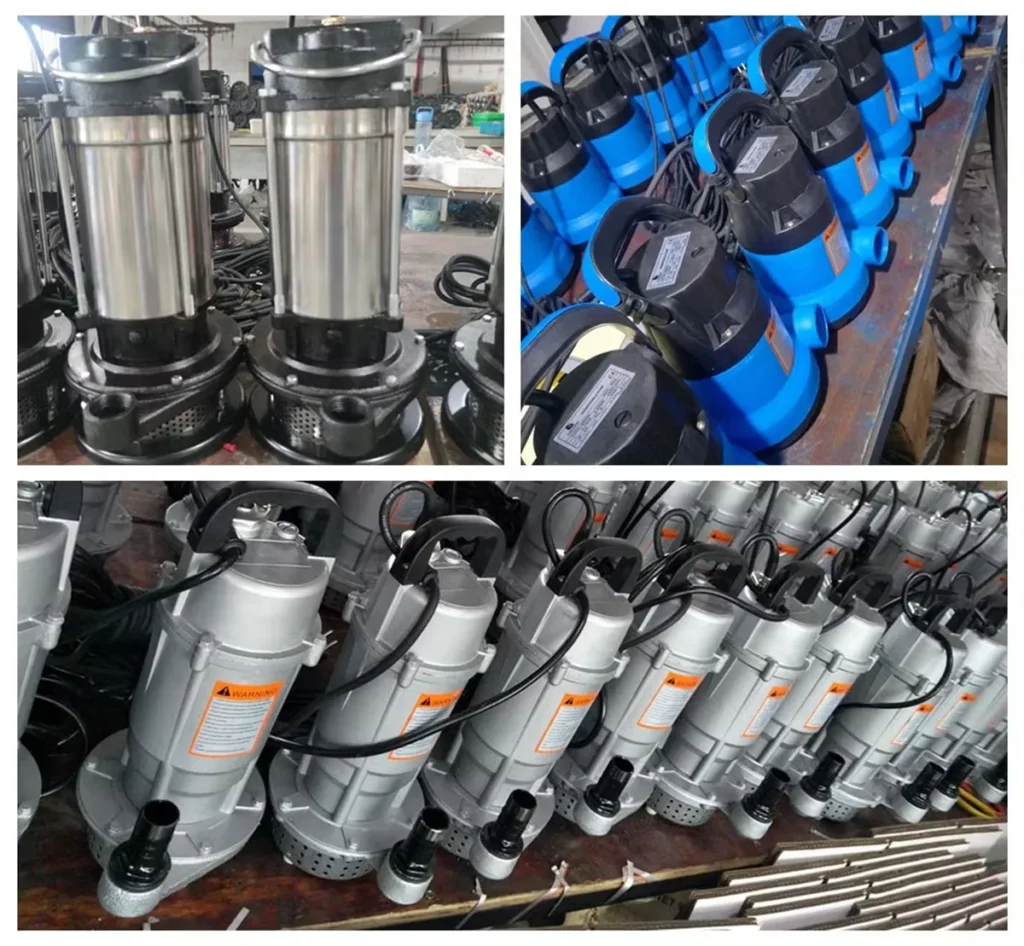
Understanding root causes is essential for prevention. As a Centrifugal Water Pump Manufacturer, we categorize dry-run triggers into five groups:
💧 Source Issues
Low tank level, well depletion, suction intake clogging from sand/debris
🔧 Piping Issues
Air leaks at joints, clogged filters, missing foot valves, excessive suction lift beyond NPSH
👨🔧 Operational Errors
Failure to prime, no venting, unmanned operation, incorrect valve sequence
⚙️ Design Mismatches
NPSH margin insufficient, oversized pump for application, wrong impeller trim
Product-Specific Causes
- Submersible Pumps: Well level drops below intake, foot valve failure draining water column, intake strainer clogging creates vortex air ingestion
- Land Centrifugal Pumps: Air leaks in suction line, operator skips priming, foot valve missing or stuck open
- Solar Water Pumps: Cloudy-day low irradiance causes DC startup cycling, well level fluctuation between day/night, no low-level cutoff
- Gasoline/Diesel Pumps: Engine started before casing flooded, suction hose disconnect, fuel engine over-revs without water load
5. Professional Dry-Run Prevention Methods

As an innovative Centrifugal Water Pump Manufacturer, Jingong has developed a 4-layer dry-run protection system that reduces failure rates by 92% compared to industry averages. Here’s our proven framework:
5.1 System Design Layer
- Keep suction piping short and straight — minimize bends and diameter reductions
- Install foot valves and check valves to maintain prime after shutdown
- Ensure NPSH margin ≥ 1.5× the pump’s required NPSH to prevent cavitation
- Add a minimum flow bypass line for high-head applications
5.2 Operational Layer
- Always prime and vent before startup — open vent valve until water flows freely
- Follow “start with closed outlet valve, then open slowly” protocol
- Verify water source level exceeds minimum intake depth
- Conduct emergency drills simulating dry-run scenarios
5.3 Smart Protection Layer (Core Competitive Advantage of Jingong)
| Pump Category | Jingong Dry-Run Protection | Auto-Response |
|---|---|---|
| Submersible Pumps | Low-level float switch + intake strainer guard | Auto-shutdown at low well level |
| Land Centrifugal Pumps | Foot valve + pressure sensor + flow switch | Cut power on zero-flow detection |
| Solar Water Pumps | MPPT controller with dry-run protection + soft-start + tank-full auto-stop | Controller auto-shuts within 2 seconds of dry signal |
| Gasoline/Diesel Pumps | Flow switch + engine governor limiter | Engine idle-down on water loss |
Our Solar Water Pumps feature ≥99% MPPT efficiency controllers with integrated dry-run, overload, and UV/over-voltage protection, complying with CE, UL 778, SONCAP, and SAA/RCM certifications. When you choose Jingong as your Centrifugal Water Pump Manufacturer, you’re not buying a pump — you’re getting a complete protection ecosystem.
5.4 Maintenance Layer
- Quarterly inspection of mechanical seals, bearings, and O-rings
- Annual NPSH re-verification for process changes
- Maintain a complete maintenance log — pump hours, service history, spare parts
6. What to Do If Your Pump Runs Dry: Emergency Response
🚨 Immediate Action Protocol (First 5 Minutes):
- STOP THE PUMP IMMEDIATELY — cut power or shut down the engine. Never attempt a restart.
- DO NOT COOL WITH COLD WATER — thermal shock will crack the hot casing and impeller. Allow natural cooling for 30–60 minutes.
- Inspect the seal chamber — look for carbon face cracks, elastomer melting, or bluish-gold heat tint on the mating ring.
- Check bearings and impeller — listen for roughness, look for warping or pitting.
- Replace damaged components — a cracked seal MUST be replaced; do not reuse it.
- Re-prime and test — only after full inspection and repairs, re-prime and run a 30-second no-load test before returning to service.
This repair guidance comes from Jingong’s field service team — a Centrifugal Water Pump Manufacturer that has handled thousands of dry-run failure cases across 50+ countries. For detailed troubleshooting, visit our Pump Troubleshooting Center.
7. Dry-Run Protection Comparison: Our Main Pump Types
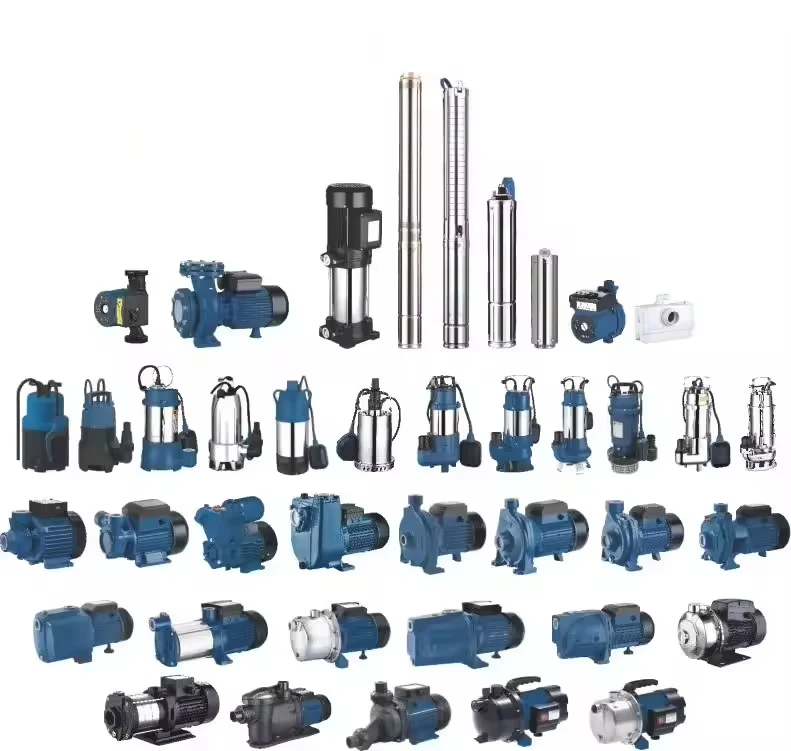
As a comprehensive Centrifugal Water Pump Manufacturer, Jingong produces all four major categories. Here’s how they compare for dry-run resilience:
| Feature | Submersible | Land Centrifugal | Solar | Gas/Diesel |
|---|---|---|---|---|
| Needs Priming? | No (when submerged) | Yes, every start | Yes | Yes |
| Built-in Protection | Float switch ready | Optional pressure sensor | MPPT controller integrated | Flow switch compatible |
| Unattended Suitability | ★ ★ ★ ★ ★ | ★ ★ ☆ ☆ ☆ | ★ ★ ★ ★ ★ | ★ ★ ☆ ☆ ☆ |
| Best Application | Deep wells, boreholes | Garden, surface water | Off-grid irrigation | Remote construction |
| Jingong Model Example | JG-SP Series | JG-CL Series | JG-SPS 5.5 | JG-GD Series |
Selecting the right pump for your dry-run risk profile is critical. As your Centrifugal Water Pump Manufacturer, Jingong provides free application engineering consultation to match the optimal pump type to your operating conditions. This is why selecting a reliable Centrifugal Water Pump Manufacturer that understands your specific application risks is more important than choosing the cheapest pump on the market. Explore our complete Centrifugal Water Pump catalog or contact our engineers directly.
8. Frequently Asked Questions
Q1: Will a centrifugal pump be damaged if running dry for a short time?
Yes. Even 3–10 seconds of dry running causes microscopic cracking of the mechanical seal. At 30 seconds, carbon seal faces can shatter. There is no “safe” short duration — always prevent dry running.
Q2: Do solar water pumps need dry-run protection?
Absolutely. Solar pumps often operate unattended in remote locations. Well level fluctuation and cloudy-day low-voltage cycling make them highly susceptible to dry running. Jingong solar pumps integrate MPPT controller-level dry-run protection as standard.
Q3: Can I run a submersible pump without water temporarily?
No. Submersible pumps rely on surrounding water for cooling. Running one in air — even briefly — overheats the motor and burns out the seal within 60 seconds. Always ensure the pump is fully submerged before startup.
Q4: How to stop gasoline/diesel pump dry running automatically?
Install a flow switch on the discharge line connected to the engine control module. When water flow stops, the flow switch signals the engine to idle down or shut off. Jingong’s JG-GD series supports this configuration natively.
Q5: What is the difference between dry running and cavitation?
Dry running is the complete absence of liquid in the pump casing. Cavitation is the formation and violent collapse of vapor bubbles within the liquid stream. Both cause damage but through different mechanisms — dry running via friction heat, cavitation via implosion shock waves.
Q6: How much does it cost to repair a dry-run damaged pump?
Minor seal replacement: $50–$150. Major overhaul (bearings, impeller, seal): $800–$3,000. Total pump replacement due to irreparable damage: $2,000–$10,000+, depending on pump size and application. Prevention is always 90% cheaper than repair, which is why every Centrifugal Water Pump Manufacturer recommends proactive protection over reactive fixes.
9. Conclusion & Expert Recommendation
As a leading Centrifugal Water Pump Manufacturer with 15+ years of R&D and global field service experience, Jingong Technology confirms one core truth: dry running is 100% preventable but 100% destructive to standard centrifugal pumps. There is no “safe” dry-run duration — even 3 seconds of operation without fluid can trigger a cascade of failures that shorten your pump’s lifespan by 70% or more. The most cost-effective strategy is always multi-layer protection: proper system design, standardized operation, smart hardware safeguards, and regular maintenance tailored to your specific pump type.
📩 Get Your Custom Dry-Run Protection Solution
As your trusted Centrifugal Water Pump Manufacturer, Jingong offers free application engineering consultation, custom pump selection, and global after-sales support for submersible pumps, land centrifugal pumps, solar water pumps, and gasoline/diesel pumps. We’ve helped 5,000+ clients across 50+ countries eliminate dry-run failures and cut maintenance costs by up to 60%.
Contact our engineering team today: [email protected]| Submit an inquiry: Click Here to Request a Quote
Choosing Jingong as your Centrifugal Water Pump Manufacturer means access to industry-leading dry-run protection technology, CE/UL/SONCAP certified products, and 24/7 technical support. Explore our full range of Centrifugal Water Pumps or visit our Pump Knowledge Base for more expert guides on pump operation, maintenance, and troubleshooting.

0 Comments