
When your well starts sputtering, pressure drops, or the breaker trips every time the pump kicks in, you’re asking the same question thousands of global buyers, farm owners, What is the real 2026 well pump replacement cost? And, more importantly, how do I avoid overpaying for a system that fails in three years?
This guide is not a generic “price list” scraped from contractor forums. It is engineered by JinGong Tech’s senior R&D team, leveraging our 2015–2026 export records across residential, agricultural, and industrial projects in North America, Europe, Africa, and Southeast Asia. From a $480 gas-pump swap on a Texas ranch to a $6,200+ deep-well (320 ft) submersible retrofit in Queensland, we provide the data you need.
In this 2026 guide, we will cover:
- The true well pump replacement cost benchmarks by region and pump type.
- A transparent, line-item cost breakdown (Equipment, Labor, Hidden Fees).
- Replacement costs for our 4 core product lines: Submersible, Surface, Solar, and Gas/Diesel Pumps.
- The 6 variables that swing your quote by ±60%.
- The “50% Rule” for Repair vs. Replace decisions.
- B2B wholesale strategies and cost-saving tips.
- An extensive FAQ and JinGong’s factory-direct solution.
1: 2026 Well Pump Replacement Cost Snapshot (Residential · Agricultural · Industrial)
Let’s establish the baseline. The average well pump replacement cost in 2026 for a standard single-family home in the US is approximately $1,900. The typical installed range falls between $976 – $2,825, with an absolute project span of $200 (DIY surface pump swap) to $5,800+ (deep submersible + new pipe/wire + permits).
However, “average” is a misleading term in the water industry. Here is the breakdown based on application:
| Application | Typical Well Depth | Pump Type | 2026 Installed Cost Range (US Benchmark) |
|---|---|---|---|
| Residential Villa / Small Farm | 25–100 ft | Shallow Well Surface/Jet | $600 – $1,800 |
| Residential / Orchard | 100–300 ft | Submersible (0.5–2 HP) | $1,400 – $4,800 |
| Large Irrigation / Estate | 200–500 ft | Deep Submersible (2–5 HP) | $3,000 – $6,500+ |
| Off-grid Remote Farm | Any | Solar DC / Gas-Diesel | $2,200 – $5,500 (Solar) / $320–$1,600 (Diesel) |
| Industrial / Municipal Boost | 300 ft+ | High-Power / Constant Pressure | $4,000 – $8,000+ |
The 4 Core Drivers of Well Pump Replacement Cost
When a contractor quotes you, the price rarely reflects the pump body alone. These are the four levers controlling your budget:
- Well Depth & Casing Diameter: Every 100 ft beyond 150 ft adds ~$350–$600 due to heavier pipe, thicker cable, and specialized rig access.
- Pump Type & Power: Submersible pumps incur significant pull/reinstallation fees. Surface pumps are cheaper but hydraulically limited to ≤25 ft.
- Energy Source: Solar systems add panel/controller upfront costs but eliminate grid dependency. Gas/Diesel skips electricity entirely but incurs high fuel OPEX.
- Installation Condition: Rusty drop pipes, collapsed well caps, or failed pressure tanks are “budget busters.”
JinGong Pro Tip: Matching the right pump type to your geology is where 30% of “overpaid replacements” occur. A 25 ft shallow well does NOT require a $1,800 submersible—a $300 surface pump is the correct engineering choice. See Module 3 for details.
2: 2026 Well Pump Replacement Cost Breakdown (Transparent Line-by-Line)
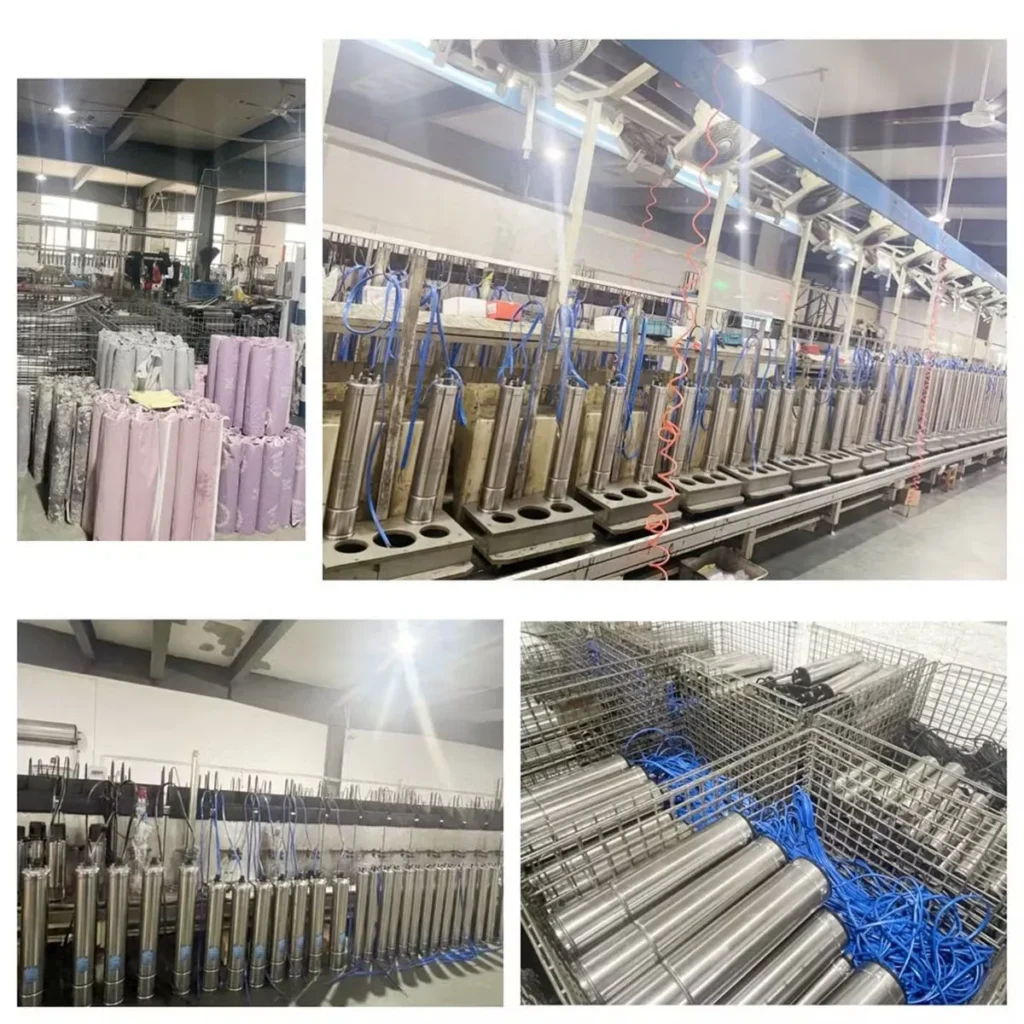
Generic blogs lump “pump + labor” into one number. Google’s EEAT standards demand transparency. Here is the itemized split used by licensed NA contractors and JinGong’s overseas distributor network.
2.1 Equipment Cost (Pump Body + Accessories)
This is the “Hard Cost” of the components. Notice the massive gap between OEM (Factory) and Retail (Big Box Stores).
| Item | Typical 2026 Price (OEM / JinGong Factory) | Retail Marked-up (NA Big-Box) |
|---|---|---|
| Submersible Unit (0.5–1.5 HP) | $400–$900 | $900–$2,200 |
| Surface/Jet Unit (0.5–1.5 HP) | $120–$400 | $300–$700 |
| Solar Pump Head (DC, No Panels) | $500–$1,400 | $1,100–$2,800 |
| Gas/Diesel Engine Pump (2–7 HP) | $280–$1,200 | $450–$1,800 |
| Drop Pipe (PVC/PE, per 100 ft) | $60–$140 | $100–$200 |
| Wire/Cable (Submersible Rated) | $50–$120 | $90–$180 |
| Check Valve / Foot Valve | $15–$45 | $30–$70 |
| Pressure Switch | $20–$60 | $40–$90 |
| Pressure Tank (If Replacing) | $150–$500 | $300–$800 |
2.2 Labor & Installation Cost
Labor is the second-largest slice of the total well pump replacement cost.
- Shallow Well Surface Pump: $0 (DIY) to $200–$600 (Contractor). Minimal tools required.
- Standard Submersible (100–200 ft): $600–$1,400. Requires specialized winches and safety gear.
- Deep Well Submersible (300 ft+): $1,200–$2,500. Requires a service rig truck.
- Solar Pump: $400–$1,200 (Pump Install) + $800–$2,000 (PV Racking/Wiring).
Regional Labor Rates (2026 Estimates): USA/Canada: $80–$150/hr; Western Europe: €70–€130/hr; Africa/SEA: $40–$90/hr + Logistics Premium.
2.3 Additional / Hidden Costs (The Budget Killers)
These are why a “$600 pump” becomes a “$2,800 quote.”
- Old Pump Pull & Disposal: $100–$300 (Stuck pumps in deep wells incur extra risk fees).
- Well Inspection / Camera Scope: $200–$500 (Highly recommended for old wells).
- Permit Fees: $50–$250 (Required in specific US counties/states).
- Electrical Upgrades: $150–$500 (Breaker upgrades, Surge Protection).
- Torque Arrestors & Safety Ropes: $80–$200 (Essential for long-term reliability).
2.4 Why 2026 Costs Increased vs. 2024–2025
Three upstream factors pushed the well pump replacement cost brackets up 8–15% Year-over-Year:
- Copper & Rare Earth Magnet Volatility: Directly impacted motor winding and permanent magnet rotor costs.
- Skilled Labor Shortages: NA and EU markets saw a 10%+ increase in licensed contractor day rates.
- New Energy Adoption: Demand for Solar MPPT controllers and Lithium battery integration increased component costs, though long-term OPEX decreased.
3: Replacement Cost By Pump Type (JinGong’s 4 Core Products)
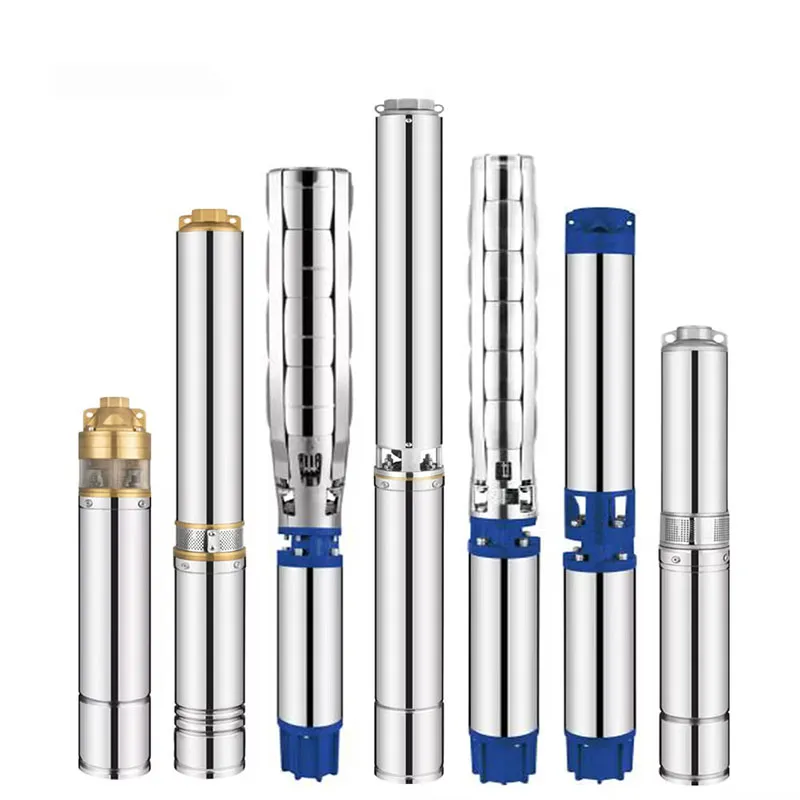
This is the conversion core of the page. We bind the well pump replacement cost directly to the four lines JinGong manufactures. B2B buyers (Distributors, Contractors, Farm Co-ops) can map their projects straight to a SKU.
3.1 Submersible Well Pump (Deep Well · 4″–12″ Casing)
Application: Well depth >25 ft, casing ≥4″, residential, orchards, dairies, light industrial. Represents ~55% of JinGong’s export replacements.
2026 Case Study (JinGong Log #JP-2025-8842): 150 ft well, 1.5 HP 4″ SS304 10-stage submersible. Old pump failed due to sand abrasion. Replacement included new pump, 150 ft cable, check valve, and safety rope.
- OEM Cost: $620–$1,150 (Pump) + $180–$420 (Hardware) + $600–$1,400 (Labor) = $1,400–$2,970 Total.
- Retail Cost: $1,100–$2,200 (Pump) + $300–$600 (Hardware) + $600–$1,400 (Labor) = $2,000–$4,200 Total.
For deep wells (300 ft+ / 2–3 HP), expect installed costs of $3,500–$6,500.
JinGong Advantage: Our 4″ & 6″ series utilize IE3 motors, optional VFDs, and sand-resistant impellers (≤50 g/L rating). This addresses the #1 cause of premature failure: sand abrasion.
3.2 Surface / Land Water Pump (Shallow Well · Jet / Centrifugal)
Application: Well depth ≤25 ft (Jets to 100 ft with efficiency loss), villa supply, field irrigation, construction dewatering. ~20% of JinGong replacements.
Cost Profile: This is the lowest entry point for well pump replacement cost.
- OEM Cost: $120–$400 (Pump) + $40–$120 (Valves/Hoses) + $200–$600 (Labor) = $600–$1,400 Total.
Why it’s cheap: No drop pipe to retrieve, no rig truck required. A competent handyman can complete the swap in 2–3 hours.
JinGong Advantage: Cast-iron or SS304 casings, self-priming options, and high-flow agricultural variants (up to 30 m³/h). CE & ERP compliant SKUs available for the EU market.
3.3 Solar Well Pump (Off-Grid · New Energy · 2026 Growth Leader)
Application: Remote farms, orchards, livestock, off-grid cabins, developing regions. Solar inquiries at JinGong are up ~40% YoY (2025→2026).
2026 Cost Structure:
- OEM Cost: $500–$1,400 (DC Pump Head) + $400–$1,200 (Solar PV Array) + $150–$500 (Mounting/Racking) + $400–$1,200 (Labor) = $2,200–$5,500 Total.
The ROI Argument (B2B Critical): A 1.5 HP electric submersible consumes ~1,100W. At $0.14/kWh × 6h/day = $1.01/day (~$369/yr). A Solar Pump: $0 electricity. Payback on the “solar premium” is typically 3–5 years in the US Sunbelt and 2–4 years in Africa/ME. After payback, water is essentially free for another 10–15 years.
2026 Trend: Hybrid systems (Grid/Solar/Diesel backup) are becoming standard. JinGong offers hybrid controllers specifically for retrofitting old electric subs.
3.4 Gas / Diesel Engine Water Pump (Off-Grid · Remote Engineering)
Application: Construction sites, flood drainage, wildfire protection, disaster relief, ranches with no grid access. ~12% of JinGong export replacements.
2026 Replacement Cost: Note: Many are DIY-mounted.
- OEM Cost: $180–$600 (Gas 2–4 HP) / $450–$1,400 (Diesel 5–7 HP) + $40–$200 (Hoses/Strainers) + $0–$400 (Labor) = $320–$1,600 Total.
Fuel Cost vs. Electric (Annual OPEX Estimate, 4hrs/day):
- Gas 4 HP: ~$3,650/year
- Diesel 5 HP: ~$1,750/year
- Electric 1.5 HP: ~$369/year
Gas/Diesel trades high OPEX for location freedom and uptime. Ideal for temporary sites; inefficient for daily residential use.
4: What Actually Drives Your Well Pump Replacement Cost (6 Variables)
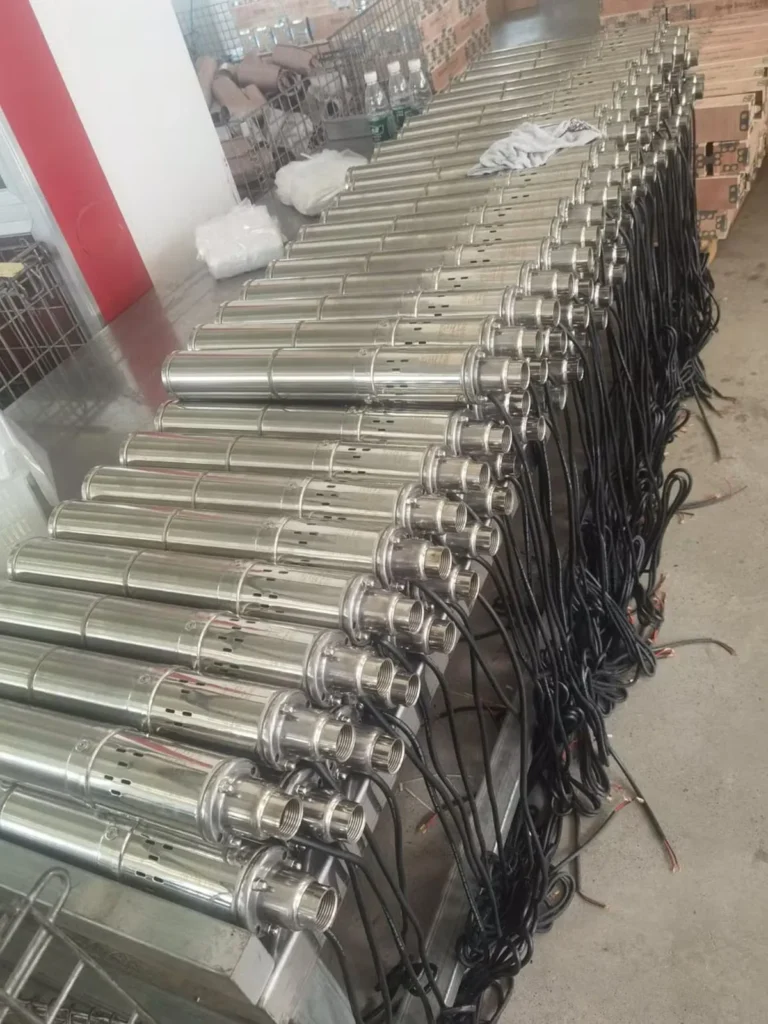
This module separates “generic blogs” from “expert factory pages.” Two wells 200 feet apart can have a $2,000 difference in well pump replacement cost based solely on these variables.
4.1 Well Condition
- Depth: Rule of thumb: +$350–$600 per extra 100 ft beyond 150 ft.
- Casing Diameter: 4″ is the minimum for submersibles. 2–3″ casings limit you to “slim-line” pumps or surface conversions.
- Water Quality: Sandy aquifers destroy impellers. JinGong recommends sand separators + SS316 for coastal/brackish water.
- Site Access: Narrow lanes, gated ranches, or lack of crane access add “difficulty premiums.”
4.2 Pump Parameters (Beyond Just “HP”)
Over-speccing (“Give me 2 HP just to be safe”) unnecessarily inflates the well pump replacement cost. Correct engineering requires matching:
- Flow (GPM): Number of fixtures or irrigation zones.
- Head (Feet): Static water level + pressure requirements.
- HP: Derived from Flow + Head calculations.
- Material: SS304 (Standard), SS316 (Corrosive), Cast Iron (Budget/Clean Water).
4.3 Regional Labor & Logistics
| Region | Labor Rate (Licensed) | Logistics Note |
|---|---|---|
| USA / Canada | $80–$150/hr | Strict licensing; Permits often required. |
| Western Europe | €70–€130/hr | CE compliance mandatory for pressure vessels. |
| Australia / NZ | AUD $90–$160/hr | Rig hire often quoted separately. |
| Africa (NG/KE/SA) | $40–$90/hr | Lead times for container shipping: 3–6 weeks. |
4.4 Power / Energy Choice
Switching from Electric to Solar or Engine changes the upfront well pump replacement cost by $1,000–$3,500 and the annual OPEX by $200–$2,000.
4.5 Custom / Industrial Requirements
High-power (3–15 HP), high-flow (50–200 m³/h), explosion-proof, or stainless-steel wetted parts add 20–80% to base costs. This is B2B territory.
4.6 Old System Condition
A pre-replacement well camera scope ($200–$500) often pays for itself by identifying a collapsed casing or a stuck old pump before the crew arrives.
5: Replace vs. Repair — 2026 Professional Judgment (The 50% Rule)

A significant portion of well pump replacement cost searches come from users who might only need a $120 pressure switch. This section builds trust by advising against unnecessary purchases.
5.1 The Industry 50% Rule
If the total repair cost (Parts + Labor) exceeds 50% of a new pump installation, replace it. If it is below 50% and the pump is less than 7 years old, repair it.
Example: 5-year-old 1.5 HP sub, pressure switch failed. Repair: $280. Verdict: Repair. 9-year-old same pump, motor windings burnt. Repair: $1,100. New: $1,900. Verdict: Replace.
5.2 Lifespan Standards (JinGong Field Data 2015–2026)
| Pump Type | Typical Service Life | Replacement Signal |
|---|---|---|
| Submersible (SS304) | 8–12 Years | Cycling noise, sand in water, breaker trips. |
| Surface Jet/Centrifugal | 8–12 Years | Loss of prime, cavitation noise. |
| Solar DC Brushless | 10–15 Years (Motor) | Controller errors, Panel degradation. |
| Gas/Diesel Engine | 6–10 Years (Engine) | Hard starting, oil blow-by. |
5.3 Fault-to-Decision Mapping
- No water, breaker NOT tripped: Check pressure switch/power first (Cheap fix).
- No water, breaker TRIPPED: Motor short/seized (Likely replace).
- Low pressure/Pulsating: Check pressure tank bladder first.
- Sand/Grit at tap: Impeller wear + possible well sedimentation (Inspect before replacing pump).
6: 2026 Cost-Saving Tips & Buying Guide (B2B + B2C)
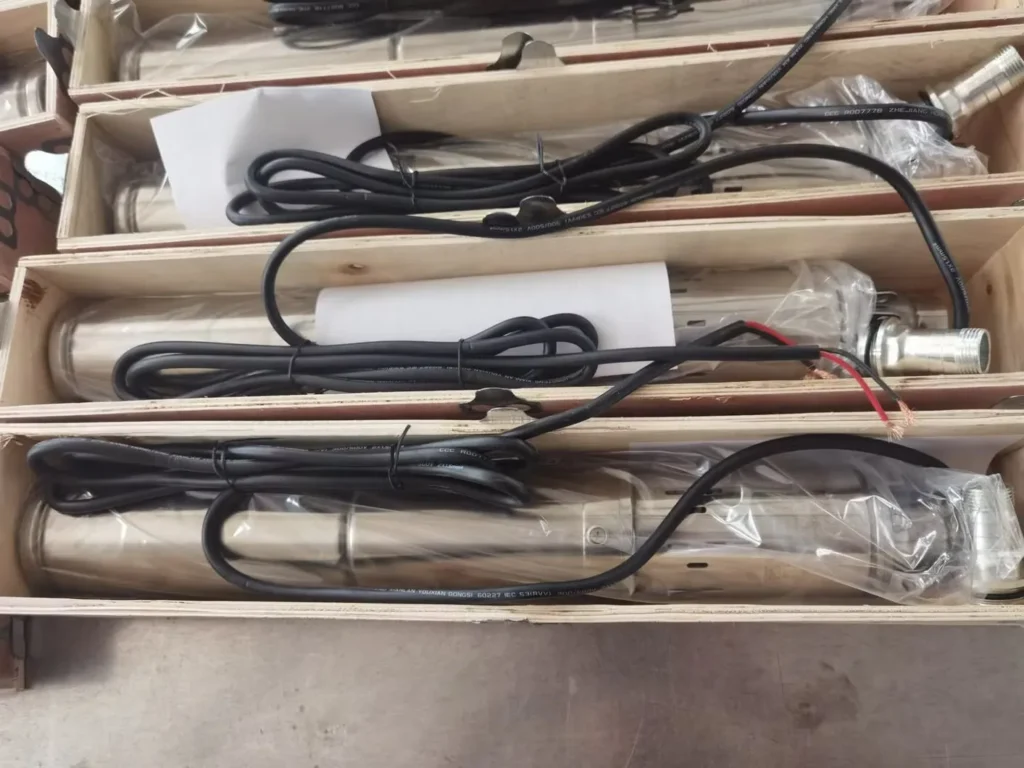
Here is how to optimize your well pump replacement cost from an expense into a strategic investment.
6.1 Model Selection: Avoid Over-Configuration
Many overpay by specifying a 2 HP pump where a 1.0 HP suffices. JinGong’s free pre-sales engineering matches Flow + Head + Depth to the exact HP. Savings: $150–$600 on unit cost + $50–$200/year in electricity.
6.2 Accessories: OEM Beats Universal Third-Party
Mismatched third-party pressure switches are the #2 cause of “new pump failure” in JinGong’s 2024–2025 warranty logs. Using JinGong-matched accessories (rated for motor amps + depth) reduces callbacks.
6.3 Solar: The 2026 TCO Winner for Off-Grid
Even if the initial well pump replacement cost jumps $1,200–$2,500 going solar, the 3–5 year payback and 10–15 year motor life make it the lowest Total Cost of Ownership (TCO) option.
6.4 Wholesale / Bulk / Contractor Accounts (B2B Exclusive)
For Agricultural Co-ops, Irrigation Districts, and Contractors replacing 5–50 pumps per season:
- JinGong Factory-Direct Pricing (OEM Column rates).
- Batched spare part kits.
- Private Label / Custom Branding.
- Global Shipping (FOB Ningbo / CIF / DDP).
- Technical Submittal Sheets (CE/ERP/UL).
6.5 Timing Your Purchase
In North America, book replacements in early Spring (Mar–May) before irrigation season peaks. In Australia, aim for Sept–Nov. Factor in 30–45 day lead times for factory orders from China.
7: FAQ — 2026 Well Pump Replacement (Long-Tail Interception)
Q: How long does a well pump replacement take?
A: Surface pump: 2–4 hrs (DIY) or 1–2 hrs (Pro). Submersible (100–200 ft): 4–8 hrs. Deep >300 ft: Full day job.
Q: What is the cheapest well pump to replace?
A: Shallow well surface/jet pumps ($600–$1,400 installed). A DIY gas/diesel skid swap can be done for under $500.
Q: Are solar well pumps worth replacing in 2026?
A: For daily-use off-grid wells, yes. Payback is 3–5 years. For grid-tied suburbs with cheap electricity (<$0.10/kWh), it’s harder to justify unless outages are frequent.
Q: How often should a diesel well pump be replaced?
A: Engine side: 6–10 years (maintenance-dependent). Pump end: 8–12 years. Regular servicing extends life significantly.
Q: Can I replace a surface pump with a submersible pump?
A: Only if your well casing is ≥4″ and depth warrants it. Submersible labor is 3x the cost of surface labor, which impacts your total well pump replacement cost.
Q: Why is my quote $4,500 when my neighbor paid $1,800?
A: Likely differences: Well depth (150 ft vs 80 ft), Pump type (Sub vs Surface), Inclusion of a new pressure tank, and Site accessibility. Always ask for a line-item breakdown.
8: JinGong Full-Series Well Pump Solution & CTA
You now understand the well pump replacement cost from every angle. The final step is matching your project to the right equipment.
JinGong’s 4 Core Product Lines (Full-Scenario Coverage)
| Scenario | JinGong Recommendation |
|---|---|
| Residential Deep Well (100–300 ft) | 4″ / 6″ Submersible, SS304, 0.5–2 HP |
| Villa / Shallow Well / Irrigation | Surface Jet / Centrifugal, 0.5–3 HP |
| Off-grid Farm / Remote Village | Solar DC Brushless, MPPT, Hybrid Options |
| No-Grid Site / Construction | Gas (2–4 HP) or Diesel (5–7 HP) Engine Pump |
Why Factory-Direct From JinGong (Zhejiang, China)?
- Experience: 10+ years R&D and export to 50+ countries.
- Expertise: All data cross-checked with our 2024–2026 shipping logs.
- Authority: CE, ERP, IE3 motors, SS304/316 options, UL available.
- Trust: Transparent cost breakdowns and objective comparisons.
Get Your Free Parameter Consultation
Tell us: 1. Well Depth & Casing ID, 2. Required Flow (GPM), 3. Power Source, 4. Water Use. We will reply with a spec sheet, 2026 OEM pricing, and accessory list.